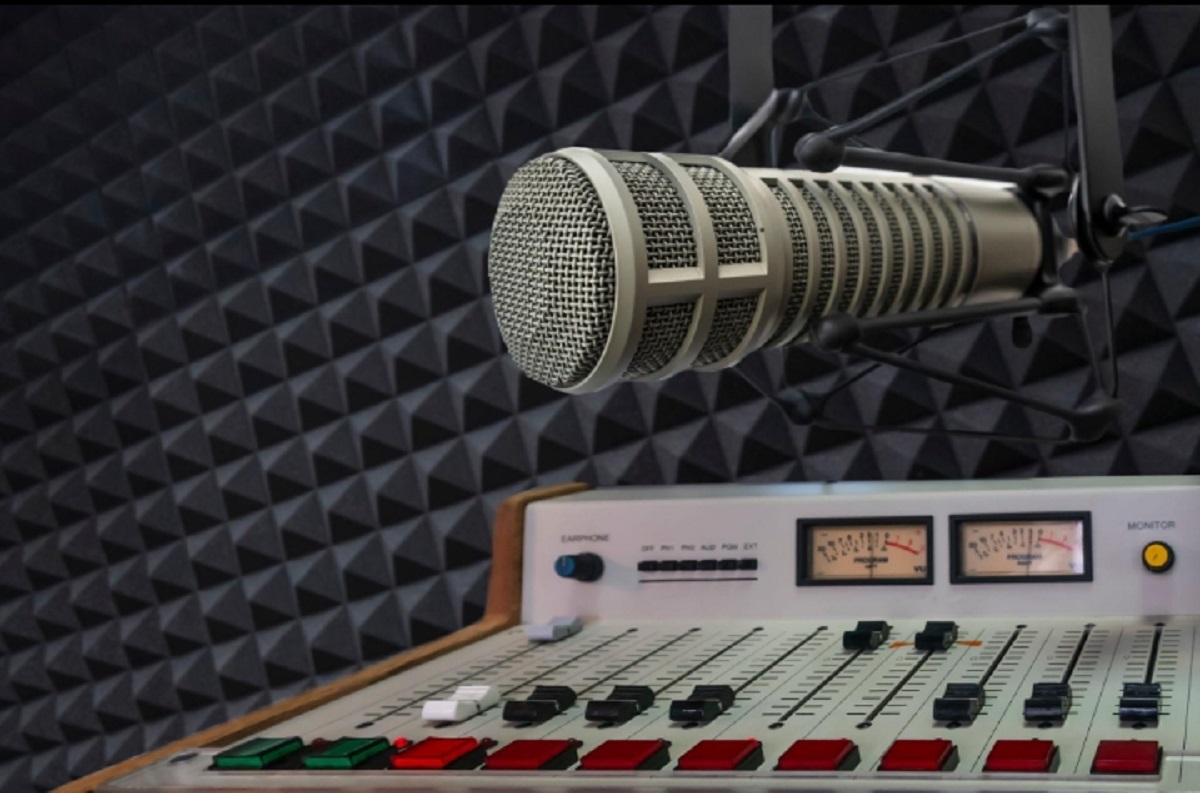
A growing controversy has emerged in Burundi following reports about the creation of a new radio station known as Rondera FM in Ngozi Province. The station has become the center of intense debate on social media, where critics claim it could be used to spread divisive narratives and deepen ethnic tensions in a country still grappling with the legacy of past conflicts.
The discussion has gained momentum in recent days as activists, political commentators and ordinary citizens exchange views about the station’s potential role in Burundi’s media landscape.
Supporters of closer scrutiny argue that any new media outlet operating in a politically sensitive environment should be carefully monitored to ensure it promotes responsible journalism and social cohesion.
Several online reports have linked the project to influential figures within the ruling CNDD-FDD party. Among the names frequently mentioned is Burundian President Evariste Ndayishimiye. However, no independent evidence or official documentation has been publicly presented to confirm the allegations circulating online.
Critics of the project argue that Burundi’s history requires exceptional caution when it comes to media content touching on ethnic identity and political differences. They fear that any platform perceived as favoring one narrative over another could revive old wounds and undermine efforts aimed at strengthening national reconciliation.
The debate has also drawn attention to Thaddée Nzigamasabo, who is often associated with pro-government media initiatives. Commentators have referenced his alleged links to the former Bimenye Burundi Communication Center (BBCC), an organization that had previously faced criticism from opposition voices who accused it of promoting divisive messaging.
Media analysts note that the controversy reflects broader concerns about press freedom, political influence and the responsibility of journalists in post-conflict societies.
They argue that media organizations carry significant power in shaping public opinion and therefore must operate within professional and ethical standards that encourage informed debate rather than social division.
Some of Rondera FM’s critics have reportedly called on Burundi’s media regulatory authorities to closely examine the station’s operations and programming. Their objective, they say, is to determine whether its broadcasts comply with legal requirements and accepted principles of journalism.
The conversation surrounding the station has also reignited discussions about the work of Burundi’s Truth and Reconciliation Commission (CVR).
The commission’s findings and interpretations of historical events, particularly those related to the violence of 1972 and other periods of ethnic conflict, continue to generate strong reactions across different segments of society.
Observers point out that debates over historical memory remain highly sensitive in Burundi. While many believe confronting the past is essential for lasting peace, others worry that differing interpretations of history can become a source of renewed political and ethnic tensions.
As the debate continues, analysts stress the importance of transparency, independent oversight and professional journalism. They argue that only through credible investigations and adherence to ethical media standards can public confidence be maintained and national unity strengthened in the years ahead.