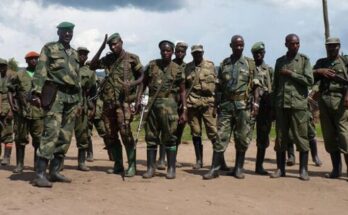
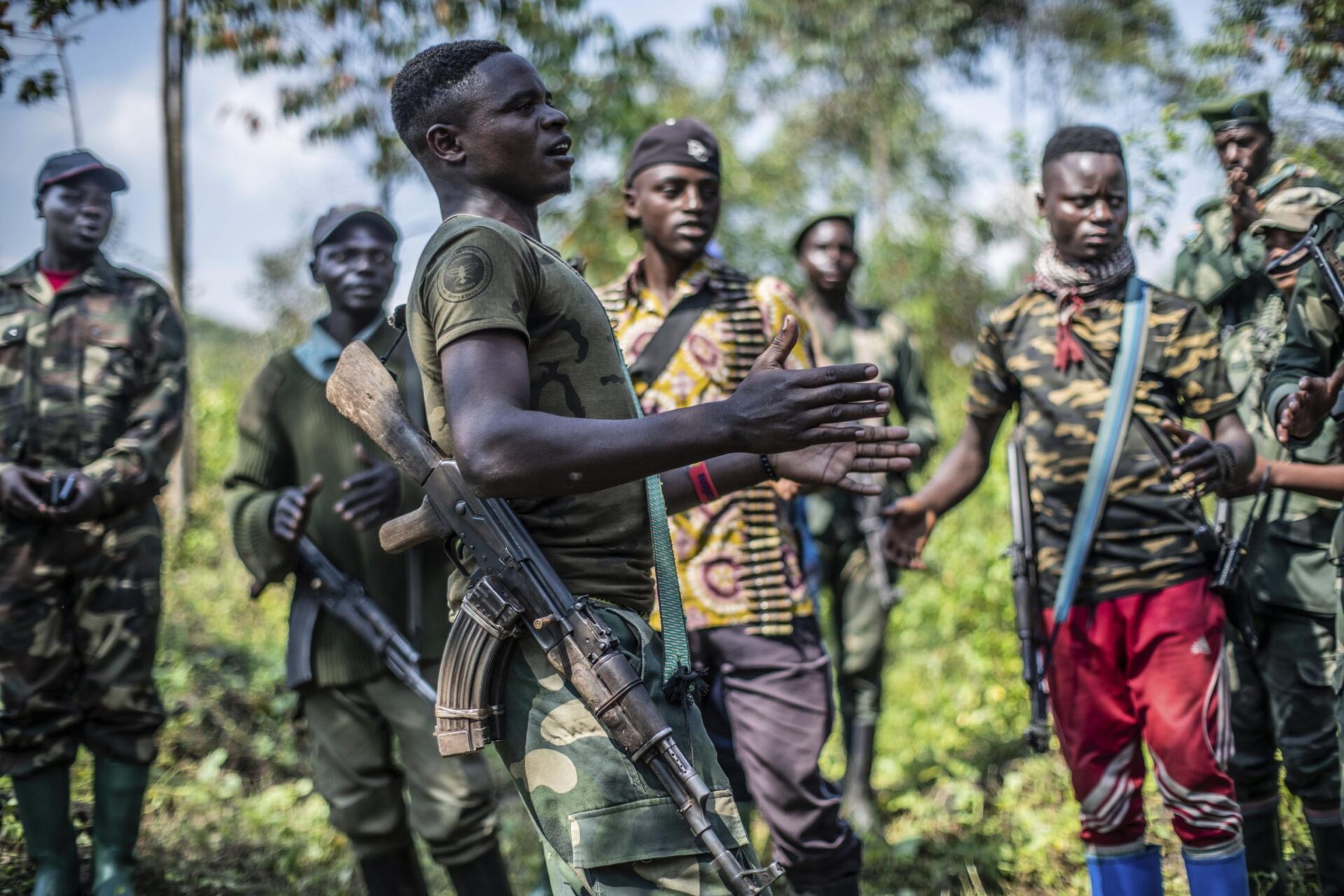
The Democratic Forces for the Liberation of Rwanda (FDLR), an armed group that has operated in eastern Democratic Republic of Congo for decades, is once again at the center of regional security discussions after reports emerged that its activities may have expanded into neighboring Uganda.
For years, Rwanda has described the FDLR as one of the most significant security threats facing the country and the wider Great Lakes region. The group is accused of including individuals linked to the 1994 Genocide against the Tutsi and of continuing to promote extremist ideology rooted in that tragic history.
Various United Nations expert reports have linked the movement to insecurity in eastern Congo, including allegations of killings, abductions, sexual violence, and the recruitment of children into armed conflict.
Fresh concerns surfaced in Uganda’s Kisoro District, where residents reported attacks allegedly carried out by fighters believed to be associated with the FDLR. Local accounts describe incidents involving robbery, kidnappings, and disruptions to transportation routes used by communities living near the border.
In response, Uganda’s military authorities announced increased patrols along border areas in an effort to prevent further incursions and reassure local residents.
Rwanda has repeatedly argued that the continued existence of the FDLR represents a long-term threat to regional stability. Officials in Kigali maintain that tolerating or politically exploiting armed groups only prolongs instability across Central Africa.
Speaking during a commemoration event on April 30, 2026, Senate President François-Xavier Kalinda reiterated Rwanda’s position, insisting that armed groups should not be allowed to undermine the country’s security and development.
He called on Rwandan nationals living in Congo, including FDLR fighters, to return home and take advantage of available reintegration mechanisms.
“Our wish is for all Rwandans to return home, including those who are in FDLR. Anyone who played a role in the Genocide will be punished for it, while those who had no part in it can continue with their lives.” Kalinda stated.
He also urged residents living near Rwanda’s western border to remain vigilant against genocidal ideology that survivors say continues to exist across the frontier.
The latest developments come amid continuing allegations that some FDLR members have been integrated into elements of Burundi’s security apparatus. Such claims have circulated since 2015, although Burundian authorities have consistently denied them.
Hatungimana Désire, Editor-in-Chief of Radio Inzamba, claimed that trusted sources had confirmed the presence of FDLR fighters within Burundi’s security structures.
“It is no longer a secret. The Bujumbura administration even has FDLR fighters within the President’s security detail,” he said.
Additional reports have alleged that military units deployed to Cibitoke Province included members of the ruling party’s youth wing alongside individuals speaking Kinyarwanda.
Former members of Burundi’s security and intelligence services who are now in exile have also alleged that FDLR fighters have been incorporated into units responsible for protecting President Évariste Ndayishimiye and other senior officials.
According to these accounts, the integration process began shortly after the failed 2015 coup attempt against former President Pierre Nkurunziza, led by General Godefroid Niyombare.
As conflict continues in eastern Congo, observers claim the number of FDLR members present in Burundi has increased. Recent UN reporting has also highlighted allegations of logistical support moving through Burundi toward armed groups operating in eastern DRC, including supplies such as weapons, food, medicine, and military equipment.
With concerns now stretching across Congo, Uganda, and Burundi, regional attention remains focused on the future of the FDLR and on broader efforts aimed at restoring long-term peace and security throughout the Great Lakes region.