A significant diplomatic shift appears to be taking shape in Africa as Rwanda and South Africa move to restore relations after years of political tension and mistrust.
Recent high-level engagements between officials from Kigali and Pretoria have sparked debate among regional observers who are trying to understand what is driving the renewed warmth between two countries that spent more than a decade navigating one of the continent’s most strained bilateral relationships.
For years, diplomatic relations between Rwanda and South Africa were overshadowed by disputes that resulted in expulsions of diplomats, reduced cooperation, and a visible lack of trust. Today, however, both governments seem increasingly convinced that maintaining distance serves neither their strategic nor economic interests.
South Africa remains one of Africa’s largest economies and an influential voice in continental affairs. Rwanda, meanwhile, has established itself as a respected regional actor with growing influence in peacekeeping operations, diplomacy, and economic reforms. These realities have encouraged both countries to look beyond historical disagreements and focus on future opportunities.
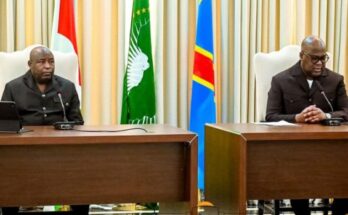
The changing dynamics surrounding the Democratic Republic of Congo have also attracted attention. Pretoria was among the strongest supporters of President Félix Tshisekedi’s government, particularly through its participation in the Southern African Development Community Mission in the DRC (SAMIDRC).
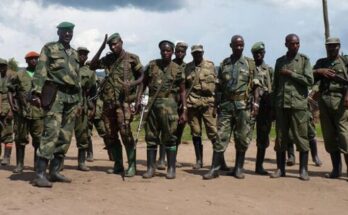
However, challenges faced by the mission, including casualties among deployed troops, appear to have prompted a reassessment of South Africa’s approach to the conflict. Many analysts argue that Pretoria increasingly recognizes that military solutions alone are unlikely to bring lasting stability to eastern Congo.
At the same time, Tshisekedi has deepened ties with the United States, especially in areas linked to security cooperation and critical mineral investments. In international politics, when a government places greater emphasis on one strategic partnership, other allies often begin exploring alternative ways to safeguard their own interests.
Some observers believe South Africa may now be seeking a broader and more balanced regional strategy, one that includes rebuilding relations with Rwanda, a country that remains an influential player in regional security and diplomacy.
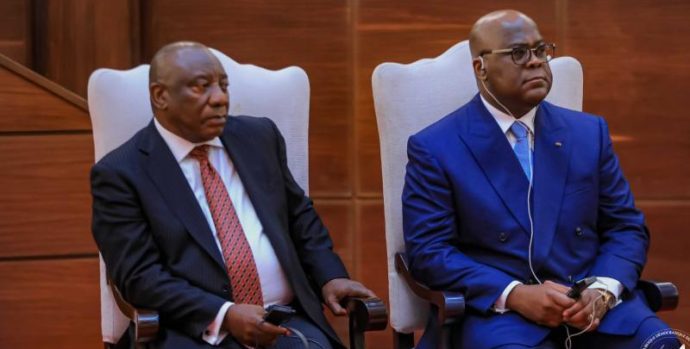
Although there is no concrete evidence of a political rupture between President Cyril Ramaphosa and President Félix Tshisekedi, there are growing signs that the priorities of Pretoria and Kinshasa are no longer perfectly aligned.
Another factor that may have contributed to improving trust involves South Africa’s recurring challenges with anti-immigrant violence. In recent months, reports and images showing attacks against migrants from other African countries generated concern across the continent.
While several governments responded with criticism and political pressure, Rwanda adopted a more dialogue-oriented approach. Kigali emphasized cooperation and practical solutions rather than public condemnation, a stance that may have been positively received in Pretoria.
Economic interests are also likely playing a decisive role. South Africa is seeking new markets, investment opportunities, and reliable regional partners as global economic conditions remain uncertain. Rwanda, for its part, continues to position itself as an attractive destination for investment and business expansion.
This convergence of interests creates a strong incentive for both countries to deepen cooperation in trade, infrastructure, technology, and regional integration.
There is also a broader continental dimension. South Africa has faced criticism in recent years over economic difficulties, declining diplomatic influence, and recurring tensions related to migration. Rebuilding ties with Rwanda could help Pretoria reinforce its image as a constructive partner committed to dialogue, cooperation, and African-led solutions.
The evolving relationship between Kigali and Pretoria may therefore represent more than a bilateral rapprochement. It could signal a wider transformation in African diplomacy, where economic growth, regional stability, and pragmatic cooperation increasingly take precedence over historical rivalries.
If this trend continues, Rwanda and South Africa may offer an important example of how former adversaries can rebuild confidence and work together in pursuit of shared continental interests.
While it is still too early to declare all past disputes resolved, the direction of travel is becoming clearer. A new chapter appears to be emerging in the relationship between Kigali and Pretoria, one that could reshape diplomatic alignments in Africa and influence the future of regional cooperation.