Nearly eight months after Rwanda and the Democratic Republic of Congo signed a peace and economic cooperation agreement aimed at reducing regional tensions, fresh allegations have emerged suggesting that elements within the Congolese establishment are still maintaining ties with the FDLR, a group long viewed by Kigali as a major security threat.
The FDLR traces its roots to individuals linked to the 1994 Genocide against the Tutsi in Rwanda and has operated for decades in eastern Congo. Its continued presence has remained one of the most sensitive issues affecting relations between Kigali and Kinshasa.
According to reports from security sources familiar with developments in North Kivu, a series of meetings took place in early June 2026 at the military base of Pinga in Walikale Territory. The meetings were reportedly chaired by Colonel Christopher Mukubwa Buli, an officer attached to the Military House of the Congolese Presidency and a coordinator of Wazalendo-affiliated armed groups operating in North Kivu.
Participants allegedly included officers from the Congolese armed forces (FARDC), representatives of the FDLR, and figures associated with anti-Rwanda networks. Among the names cited was Fabien Singaye, identified as a son-in-law of Félicien Kabuga, a figure historically associated with financing the 1994 genocide.
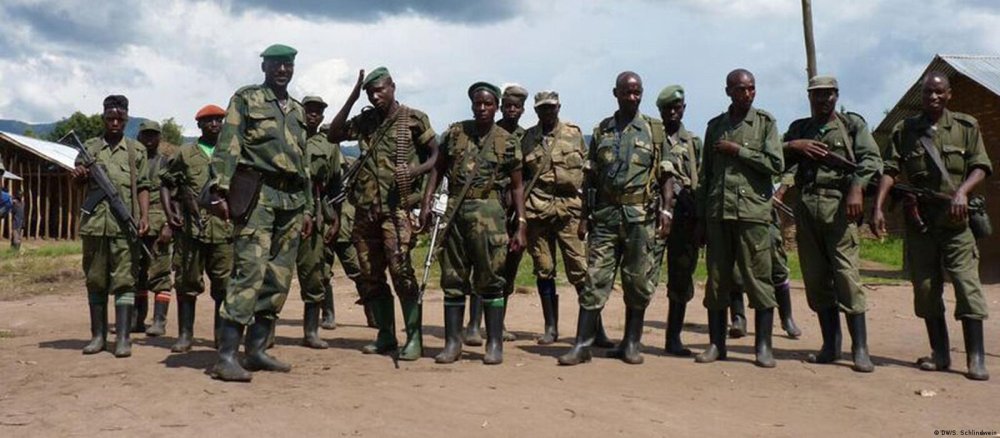
Sources claim discussions focused on integrating FDLR fighters into Wazalendo structures, a move allegedly intended to conceal the group’s real numbers and ensure its continued operational presence under different labels.
The meetings also reportedly examined contingency plans to protect senior FDLR leaders should international pressure on Kinshasa increase, particularly regarding the implementation of commitments contained in the Washington peace framework signed in December 2025.
Another key topic was the military performance of FDLR fighters and proposals to expand their training both inside and outside Congo. Participants are said to have discussed ways of increasing the group’s effectiveness on future operations.
Perhaps the most alarming allegation concerns plans to maintain FDLR positions near Rwanda’s border and prepare possible incursions into the districts of Rubavu and Musanze. Both areas have experienced deadly attacks in previous years, leaving lasting security concerns among local communities.
Rubavu was hit by deadly attacks in 2025 that left 16 civilians dead and 177 injured. Musanze also suffered major attacks in the Kinigi area in 2019, where more than ten people lost their lives.
For more than three decades, FDLR has been linked to numerous cross-border security incidents affecting northwestern Rwanda, making the group’s dismantling a central demand in bilateral and regional peace efforts.
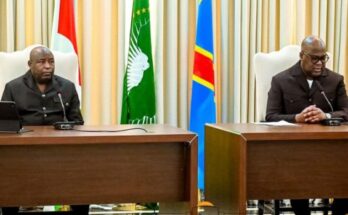
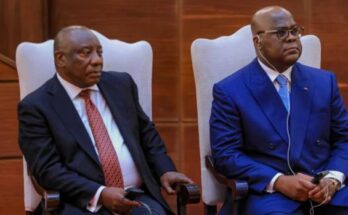
The peace agreement signed on December 5, 2025, committed both Rwanda and DR Congo to measures designed to improve security and economic cooperation. A key provision called for the neutralization of FDLR, a step Rwanda has repeatedly described as essential for lasting stability.
Despite those commitments, allegations of cooperation between FARDC elements and FDLR continue to surface. Reports mention Colonel Franck Mutunda Kapamba, an intelligence officer within FARDC’s 34th military sector, and Colonel Solomon Tokolonga, who oversees the 3402 sector and serves as acting commander in the Pinga area.
The two officers have been accused by various sources of facilitating the transfer of more than three tons of ammunition and military supplies to FDLR elements earlier this year.
Among the FDLR representatives reportedly present at the meetings were Brigadier General Bernard Hitimana, also known as Mutunzi, who heads the group’s military academy, and Colonel Pierre Célestin Rurakabije, known as Guillaume Simba, commander of the special CRAP unit.
The allegations echo concerns raised by Human Rights Watch in 2022. At the time, the organization reported receiving credible accounts from FARDC soldiers claiming that military personnel under Solomon Tokolonga’s command had supplied ammunition to FDLR fighters in the Kazaroho area during July 2022.
In recent months, hundreds of fighters from FDLR and the CMC/FDP coalition, both frequently cited in reports concerning eastern Congo’s armed landscape, were reportedly involved in combat operations around Rumangabo and Rugari.
Regional analysts argue that sustainable peace between Rwanda and DR Congo will depend on the full implementation of existing agreements and the dismantling of all armed groups that continue to fuel insecurity.
As questions continue to emerge about the future of the Washington agreement, attention is increasingly focused on whether commitments regarding FDLR will be enforced or whether the group will remain a destabilizing force in the Great Lakes region.