Burundian President Évariste Ndayishimiye has reignited debate over Burundi’s painful history and the country’s current regional policies after declaring that the mass killings that claimed the lives of more than 300,000 Hutus in 1972 were not committed by Tutsis as an ethnic group, but by the leaders who governed the country at the time.
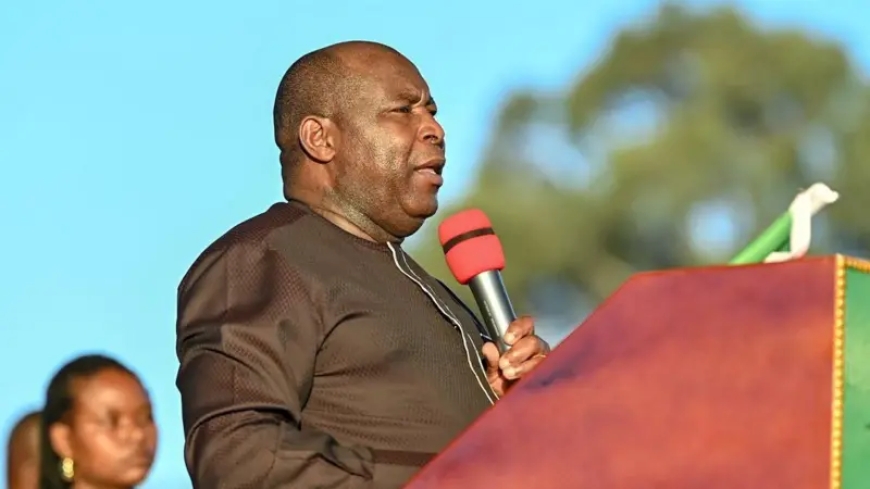
Speaking during a thanksgiving gathering in Buhumuza Province marking six years of his presidency, Ndayishimiye urged Burundians to avoid viewing historical tragedies through an ethnic lens and instead focus on the destructive role of poor leadership.
“Let me encourage you. That genocide was not committed by Tutsis. It was committed by the leaders who were governing the country. Those leaders themselves do not have an ethnicity,” he said.
The Burundian leader also sought to reassure members of the Tutsi community who may fear being collectively blamed for the events of 1972.
“No Tutsi should continue to live in fear. Our goal is to show how bad leadership can destroy a nation,” he added.
His remarks come after Burundi’s Truth and Reconciliation Commission (CVR) submitted findings to Parliament and the Senate concluding that more than 300,000 Hutus were killed in 1972. The commission had previously reached a similar conclusion in a 2021 report, describing the killings as genocide against Hutus, although Burundi has yet to formally codify that determination into law.
The comments have reopened long-standing discussions surrounding some of the darkest chapters in Burundi’s history, including the violence of 1965, 1972, 1988, and 1993, all of which left deep scars across ethnic communities.
While Ndayishimiye’s message has been welcomed by those advocating reconciliation, his critics argue that his regional policies tell a more complicated story.
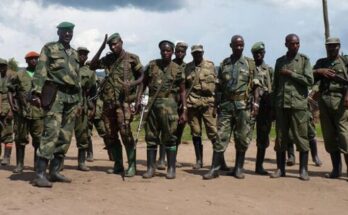
Observers, human rights advocates, and political analysts continue to scrutinize Burundi’s military involvement in eastern Democratic Republic of Congo, where Burundian troops have operated alongside Congolese government forces in operations against the AFC/M23 movement.
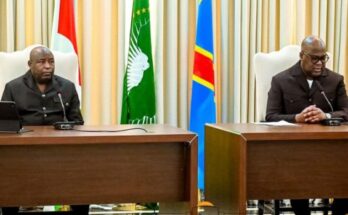
Critics contend that military cooperation between Burundi and the government of President Félix Tshisekedi has contributed to growing tensions in parts of North and South Kivu. They point to reports alleging attacks, displacement, property destruction, and violence affecting communities identified as Tutsi, particularly Banyamulenge populations and other Congolese Tutsi groups.
Questions surrounding Burundi’s role intensified after major territorial gains by AFC/M23 forces, including the capture of Goma and later Bukavu in early 2025. These developments significantly altered the military balance in eastern Congo and fueled debate over the effectiveness and consequences of regional military interventions.
Some analysts argue that Burundi’s deployment has come at a high cost, citing reports of Burundian military casualties and concerns over the economic impact of prolonged involvement in the conflict. Others maintain that regional security threats require collective action and military cooperation.
As regional leaders from both the East African Community (EAC) and the Southern African Development Community (SADC) continue to promote political dialogue as the preferred path toward lasting peace, attention remains focused on whether diplomacy can succeed where military efforts have struggled.