A widening diplomatic disagreement between the Democratic Republic of Congo and Angola has exposed deep divisions over how the country’s long-running political and security crises should be addressed.
The dispute centers on a peace initiative designed to bring together Congolese political leaders, armed movements, civil society representatives and religious figures in a national dialogue aimed at finding lasting solutions to the challenges facing the country.
Beginning in late 2025, Angola intensified consultations with influential Congolese stakeholders, including representatives of the Catholic Church and the Anglican Church. The objective was to gather views from across the political spectrum and lay the groundwork for an inclusive peace process.
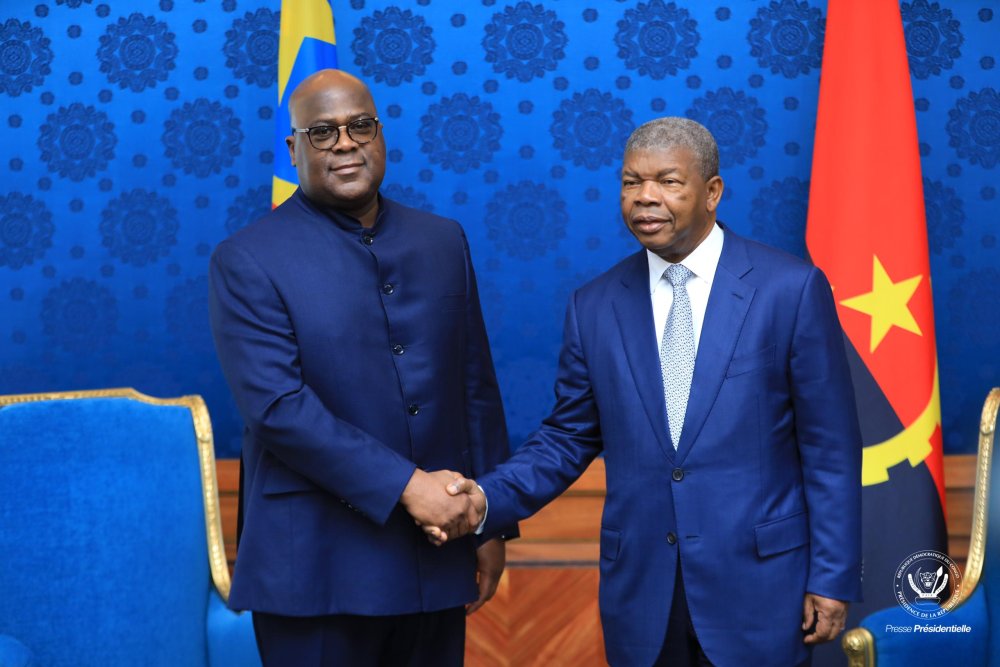
After holding several discussions with President Félix Tshisekedi during the opening months of 2026, Angolan President João Lourenço oversaw the preparation of a 21-page framework document outlining how a comprehensive Congolese dialogue could be organized.
The proposal envisioned a 90-member forum composed of three equal groups. Thirty delegates would represent the government, thirty would come from opposition parties and armed groups, while another thirty would represent civil society organizations.
According to the plan, the root causes of instability in the country could not be resolved through exclusion. Angola argued that all significant actors should be given a place at the negotiating table, including armed movements such as CRP/FRP led by Thomas Lubanga, AFC/M23 and Wazalendo groups.
The framework also suggested that a future peace settlement could involve integrating members of various armed organizations into state institutions, including parts of the security sector, as a way to promote national reconciliation and stability.
To improve the chances of success, Angola proposed several confidence-building measures. These included the release of political prisoners, the removal of certain political sanctions and strict respect for ceasefire arrangements.
Luanda further proposed that President João Lourenço serve as the chief sponsor and coordinator of the dialogue, overseeing preparations and presiding over both the opening and closing ceremonies.
Following the launch of the process, mediation responsibilities would be transferred to African Union-appointed facilitator Faure Essozimna Gnassingbé, supported by former Nigerian President Olusegun Obasanjo and former Kenyan President Uhuru Kenyatta.
Angola also suggested that while negotiations could take place in Luanda, the final ceremony and signing of any peace agreement could be held in Kinshasa as a symbol of Congolese ownership of the process.
However, the proposal was met with resistance from the Congolese government. Officials in Kinshasa reportedly objected to several aspects of the framework, including what they viewed as Angola’s insufficient emphasis on Rwanda’s role in the regional crisis.
One of the strongest points of disagreement involved AFC/M23. The Congolese government rejected any suggestion that the movement should participate in the proposed dialogue, describing the issue as a non-negotiable red line.
Kinshasa also opposed the participation of former President Joseph Kabila, who had been sentenced to death in September 2025, arguing that he should not be included in discussions concerning the country’s future.
The differences became more pronounced after a letter sent by President Tshisekedi to Angola on May 14, 2026 through his special envoy, Sumbu Sita Mambu.
In its response, the Congolese government insisted that any national dialogue should be organized and directed by Congolese authorities rather than external actors. It also proposed a significantly larger gathering of approximately 500 participants instead of the 90 envisioned by Angola.
Kinshasa further argued that the talks should take place exclusively in the Congolese capital and should include discussions on constitutional reform.
Another notable element of the Congolese proposal involved the establishment of a transitional arrangement under which President Tshisekedi would remain in office until new presidential elections could be organized.
Angola reportedly expressed disappointment with the response, believing that excluding AFC/M23 and Joseph Kabila would undermine the inclusiveness and effectiveness of the process. Angolan officials were also concerned that such exclusions could intensify existing political tensions rather than help resolve them.
The delay in receiving Kinshasa’s reply added to Luanda’s frustration. Nearly two months passed between the delivery of Angola’s proposal and the official response from the Congolese government, a delay interpreted by some observers as a sign of limited political commitment.
Despite the growing differences, Angola chose to continue engaging through diplomatic channels. On May 20, 2026, President Lourenço dispatched another message to Kinshasa, although its contents have not been publicly disclosed.
Political analysts believe the disagreement reflects broader challenges facing regional peace efforts. While many actors support the goal of stability in the Democratic Republic of Congo, there remains significant disagreement over who should be involved in negotiations and what conditions are necessary for a sustainable settlement.
As diplomatic contacts continue behind the scenes, attention remains focused on whether Luanda and Kinshasa can eventually bridge their differences and create a framework capable of bringing together the diverse voices that shape Congo’s political future.