A newly released report by the United Nations Group of Experts on eastern Democratic Republic of Congo has shed fresh light on the growing strength of the AFC/M23 coalition, estimating its fighting force at around 30,000 members.
The figure represents a significant increase compared to previous assessments and is likely to influence both military calculations and political strategies across the Great Lakes region.
According to paragraph 65 of the report, “the fighting strength of AFC/M23 is estimated at approximately 30,000 personnel.” The experts note that this number goes beyond the movement’s traditional military core and includes several categories of fighters that have joined over time.
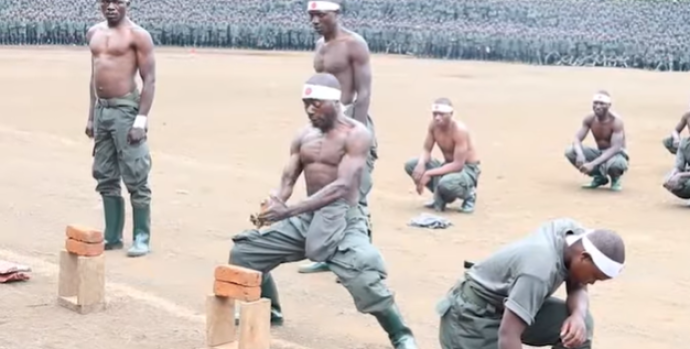
The report explains that the total includes the movement’s long-standing combat structure, composed of former CNDP members and individuals who have remained within M23 since its original formation. It also includes recruits who joined after 2021, among them members of the Congolese diaspora and individuals reportedly drawn from refugee communities.
In addition, the report states that thousands of FARDC soldiers, Congolese police officers, Wazalendo fighters, local security personnel, and members of newly aligned armed groups are now counted within the broader AFC/M23 structure following the capture of key territories.
On the military front, General Sultani Makenga remains the central commander of AFC/M23 operations, despite reported internal tensions and leadership disputes. Politically, Bertrand Bisimwa and Corneille Nangaa continue to lead the coalition’s political wing.
The UN experts further claim that military and political leaders within AFC/M23 continue to receive support and guidance from Rwanda and its intelligence services. Kigali has not yet formally responded to the latest report, although it has consistently rejected similar allegations contained in previous UN documents, accusing them of favoring Kinshasa’s narrative.
The report also points to disagreements within the coalition itself. While some political figures, including Corneille Nangaa and former President Joseph Kabila, are accused by the experts of pursuing broader political ambitions in Kinshasa, several M23 commanders reportedly preferred limiting military objectives to North and South Kivu.
Recruitment practices remain another major concern highlighted in the report. UN experts allege that AFC/M23 has continued to recruit both adults and children, sometimes voluntarily and sometimes through coercion. Former members interviewed by investigators reportedly described cases of torture and killings targeting individuals accused of attempting to flee training centers, particularly in Rumangabo.
Despite increasing desertions among some recruits, especially those allegedly recruited against their will, the report states that AFC/M23 has continued efforts to attract FARDC soldiers and Wazalendo leaders through financial incentives.
The findings come as AFC/M23 maintains control over large areas of eastern Congo following military offensives that enabled it to seize major urban centers including Goma, Bukavu, and Uvira. The coalition has also established administrative structures and taxation systems in areas under its control.
Regional observers believe the reported force of 30,000 fighters could significantly alter the balance of power in eastern Congo. For President Félix Tshisekedi, the number represents a growing challenge to efforts aimed at restoring government authority in territories lost to the coalition.
The coalition’s control of strategic cities and mineral-rich zones has increased pressure on Kinshasa, both politically and economically. Areas such as Rubaya remain particularly important because of their contribution to Congo’s mining sector and national revenue streams.
The implications extend beyond Congo. Burundi, which deployed thousands of troops to support Congolese government forces, is also closely monitoring developments. Analysts argue that the growing military capability of AFC/M23 has complicated battlefield dynamics and heightened security concerns in Bujumbura.
The report has also revived debate surrounding allegations of Rwandan involvement in eastern Congo. While Rwanda continues to deny direct military participation, critics argue that the combination of AFC/M23’s reported strength and previous UN allegations has intensified regional tensions.
For Rwanda, the situation presents both opportunities and risks. Some analysts believe that the weakening of armed groups hostile to Kigali, particularly FDLR elements operating near the border, could improve security conditions. Others warn that continued accusations linking Rwanda to AFC/M23 may increase diplomatic pressure and the possibility of further international scrutiny.
The conflict may also lead to additional refugee flows into Rwanda, while ongoing fighting near border regions raises concerns about accidental escalation, cross-border incidents, and broader regional instability. .