A major political controversy is unfolding in Uganda after former minister and constitutional figure Dr Miria Matembe was remanded to Luzira Prison over allegations linked to statements prosecutors say could fuel sectarian divisions.
Matembe appeared before the Luzira Court on June 30, 2026, where prosecutors outlined charges stemming from comments she allegedly made during a television interview earlier in June. According to the prosecution, her remarks suggested that public resources and taxpayer money were being used primarily for the benefit of leaders from a particular ethnic community, a claim authorities argue could encourage hostility and social division.
The veteran politician denied the accusations and sought temporary release on medical grounds. However, the court rejected the request, ruling that sufficient medical documentation had not been presented. She was subsequently remanded as investigations and legal proceedings continue.
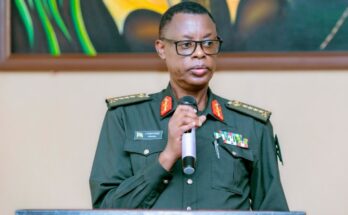
Her detention comes only days after Uganda’s Chief of Defence Forces, Gen Muhoozi Kainerugaba, publicly announced that Matembe had been arrested. In the days that followed, Muhoozi continued to post strongly worded messages on social media regarding the former minister and her criticism of the government.
Before her court appearance, reports circulated that security agencies had searched Matembe’s residence and detained some of her close associates. Those developments intensified public debate and raised concerns among opposition supporters and civil society observers.
At the center of the dispute is Matembe’s long-standing criticism of President Yoweri Museveni and what she describes as the growing influence of his family within Uganda’s political system.
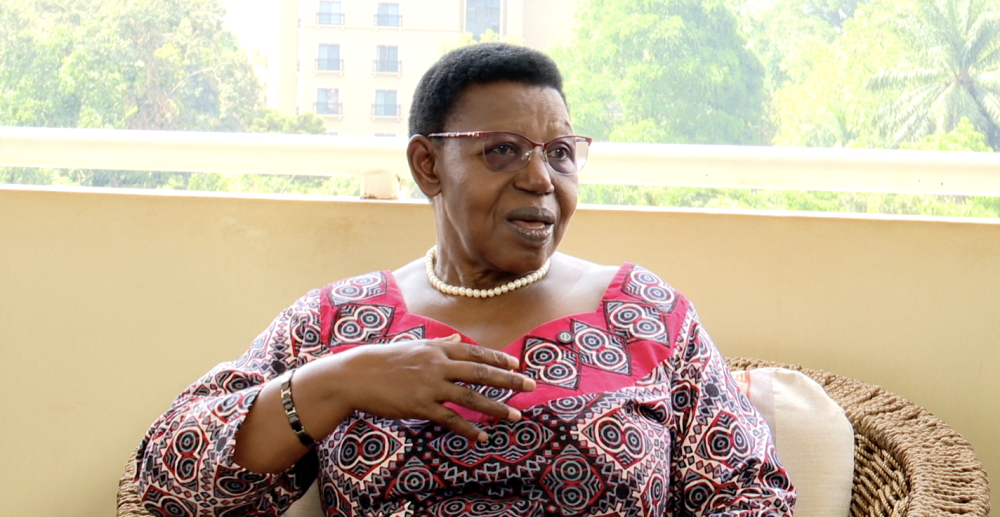
In an interview published by The Newsroom Ug on June 20, 2026, Matembe questioned the concentration of power around the president and his son, Gen Muhoozi Kainerugaba. The comments quickly generated widespread discussion and criticism across the country.
Prosecutors now argue that parts of those remarks went beyond political criticism and entered territory that could deepen ethnic and regional tensions. Authorities have particularly focused on statements that portrayed Uganda’s political leadership as being dominated by people from the Ankole region.
Supporters of Matembe insist that her comments were part of legitimate political debate and criticism of those in power. They argue that democratic societies must allow citizens and public figures to question government actions without fear of prosecution.
The case has rapidly become one of Uganda’s most closely watched political and legal battles. For some observers, it represents a test of how far freedom of expression can extend when political criticism touches on issues of ethnicity and regional identity. Others maintain that authorities have a responsibility to intervene whenever public statements risk inflaming social divisions.
The court process moves forward, as the outcome of Matembe’s case could have broader implications for political discourse in Uganda. The proceedings are expected to shape future discussions about free speech, accountability, and the boundaries between political criticism and speech considered harmful to national cohesion.
National attention fixed on the courtroom. Many Ugandans are waiting to see whether the judiciary will ultimately view Matembe’s remarks as protected political expression or as statements that crossed into unlawful sectarian rhetoric.