A new study by leading experts on conflict, governance and security in Africa’s Great Lakes region has raised fresh questions about the long-term effectiveness of the Washington peace agreement between Rwanda and the Democratic Republic of Congo, arguing that economic interests often outweighed the pursuit of sustainable peace.
The report, titled “The Limits of ‘America First’ in Africa: What the Congo Peace Initiative Reveals,” was authored by Joshua Z. Walker, Reagan Miviri and Jason K. Stearns. It examines how the administration of U.S. President Donald Trump became deeply involved in efforts to address the security crisis in eastern Congo while simultaneously advancing American strategic and commercial interests.
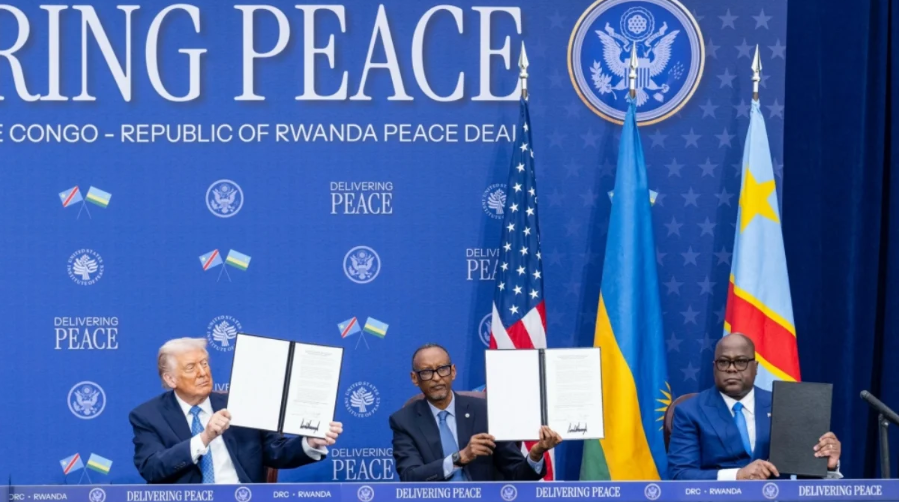
According to the researchers, the Washington initiative succeeded in bringing Kigali and Kinshasa to the negotiating table and securing a landmark peace agreement. However, they argue that the deal exposed significant weaknesses in a diplomacy model that relied heavily on political negotiations and economic incentives without fully addressing the deeper roots of the conflict.
The study contends that the “America First” doctrine shaped Washington’s approach to the crisis. Rather than focusing primarily on long-term conflict resolution, the strategy prioritized trade opportunities, investment prospects and access to critical mineral resources essential to modern technology and electric vehicle industries.
The peace agreement was widely viewed as a major diplomatic achievement for the United States in Africa. It aimed to reduce tensions between Rwanda and the Democratic Republic of Congo while creating conditions for greater regional economic cooperation.
Yet the situation on the ground remained unstable. Fighting involving M23 and Congolese government forces continued in parts of North and South Kivu even after the agreement was signed. For the researchers, this highlighted a central challenge: diplomatic agreements alone cannot resolve a conflict that has evolved over decades and involves numerous armed groups, political grievances and deep mistrust among key actors.
The report stresses that lasting peace requires more than investment deals and economic partnerships. Strong monitoring mechanisms, credible enforcement measures and meaningful efforts to address the underlying causes of violence are essential if any agreement is to endure.
The researchers also explore why Washington became increasingly engaged in the Congo crisis during 2025. They point to a series of developments, including M23’s capture of Goma and Bukavu and growing concerns in Kinshasa about the deteriorating security situation.
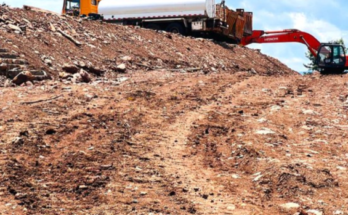
Another factor cited in the report was the movement of M23 forces toward a major mining site in Walikale that was linked to American business interests. Although the group later withdrew, the incident underscored the strategic importance of Congo’s mineral wealth and heightened U.S. attention to the conflict.
The study notes that the Trump administration responded by increasing diplomatic engagement and imposing sanctions on several Rwandan officials, including retired General James Kabarebe. These actions were accompanied by intensified efforts to facilitate dialogue between Kigali and Kinshasa.
A major turning point came in April 2025 when President Trump appointed Massad Boulos as Senior Advisor for Africa. Fluent in French and experienced in business operations across West Africa, particularly Nigeria, Boulos quickly became a central figure in negotiations surrounding the Congo crisis.
The report, however, raises concerns about how decisions were made within the administration. Traditionally, major foreign policy issues involving security would be reviewed through multiple institutions, including the National Security Council, the State Department, the Pentagon and intelligence agencies.
The authors argue that the Congo initiative reflected a different approach. While Secretary of State Marco Rubio publicly appeared to lead diplomatic efforts, they contend that Boulos exercised considerable influence behind the scenes.
Because Boulos came from a business background rather than a traditional diplomatic or government career, the researchers believe his role symbolized a broader shift toward combining commercial objectives with foreign policy goals.
The report further argues that substantial American investment interests in Congo may have affected perceptions of Washington’s neutrality. In the eyes of some observers, the United States appeared increasingly aligned with Kinshasa, potentially weakening its position as an impartial mediator.
These developments also had implications for U.S.-Rwanda relations. The researchers note that some American policymakers who had long viewed Rwanda as a reliable partner expressed concerns about the administration’s handling of the crisis and the sanctions imposed on Rwandan officials.
They also suggest that the reduced involvement of the U.S. Department of Defense in the decision-making process affected long-standing military cooperation between Washington and Kigali.
In their final assessment, Walker, Miviri and Stearns acknowledge that the Washington agreement created an important diplomatic opening and demonstrated the ability of international mediation to bring adversaries together. However, they caution against viewing the accord as a complete solution to eastern Congo’s security challenges.
The authors conclude that sustainable peace in the Great Lakes region will depend on addressing historical grievances, rebuilding trust among stakeholders, enforcing commitments effectively and ensuring coordinated engagement by regional governments, international organizations and development partners.
For them, the Congo peace initiative offers a broader lesson about modern diplomacy: agreements can create opportunities, but enduring peace requires far more than political ceremonies and economic promises. It demands a comprehensive strategy capable of confronting the structural causes of conflict and instability.