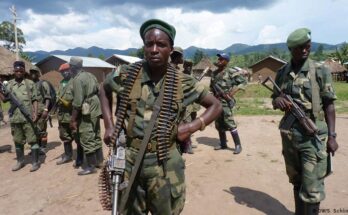
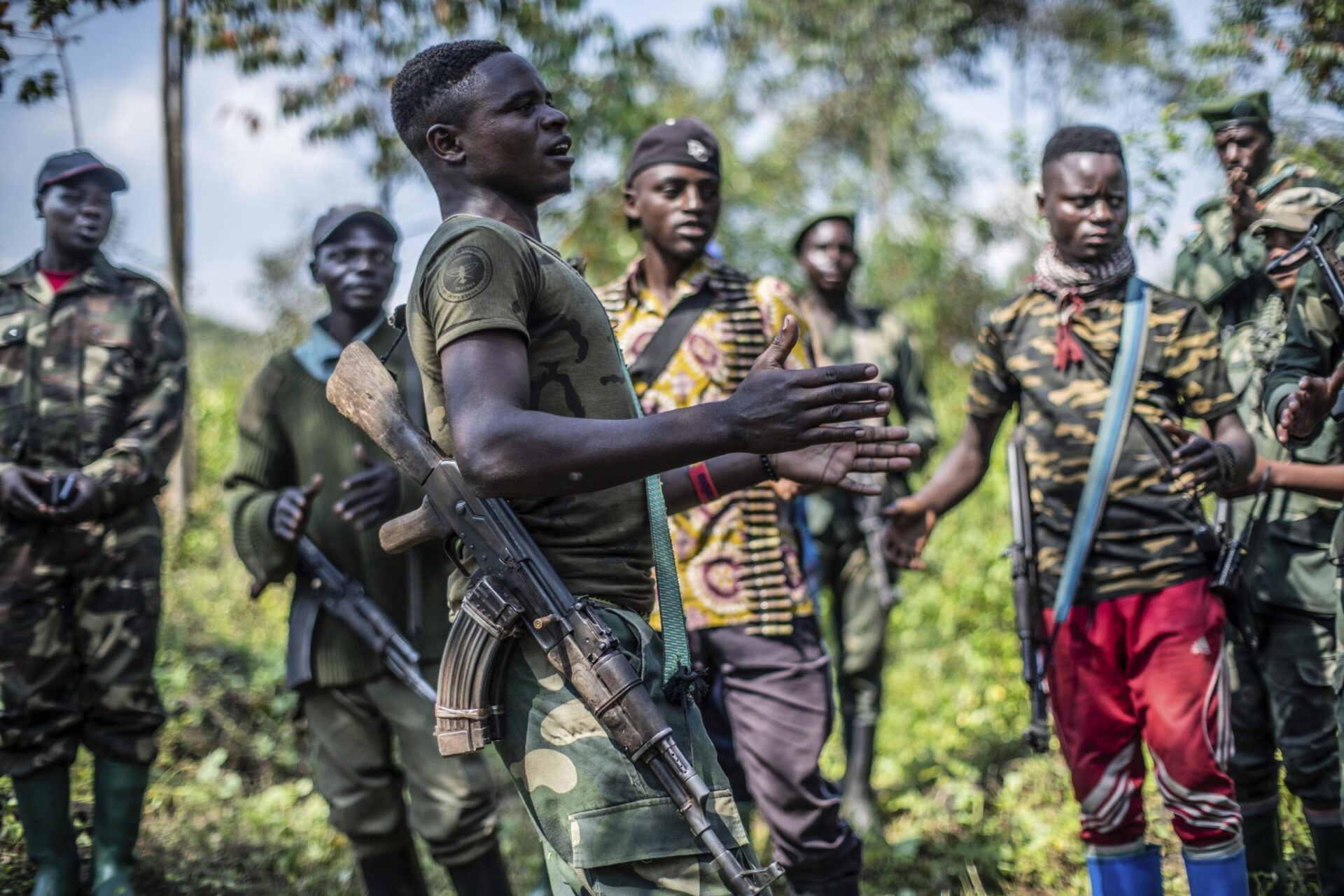
A newly released United Nations experts’ report has provided one of the clearest pictures yet of the Democratic Forces for the Liberation of Rwanda (FDLR), a group that continues to play a significant role in the insecurity affecting eastern Democratic Republic of Congo.
The report portrays an organization that has survived years of military pressure, regional diplomatic efforts, and international sanctions by adapting its structure, rebranding parts of its network, and maintaining influence across several strategic territories in North Kivu.
According to the findings, FDLR currently operates through three principal branches: FDLR-FOCA, FDLR-RUD, and FDLR-FPP.
Investigators say the three entities have adopted alternative names that make it harder to identify their links to the broader FDLR movement. FDLR-FOCA reportedly uses the name “Bataillon Jungle,” while FDLR-RUD operates under “FDP-R.” FDLR-FPP continues to use the designation “FPP.”
Despite these distinctions, the report concludes that the branches remain interconnected and coordinated through a common leadership structure.
Among the most influential figures identified is Pacifique Ntawuguka, also known as Gen Omega Israel, who serves as the military leader of FDLR-FOCA. The report describes him as a central decision-maker whose influence extends beyond his own faction.
Political leadership of the movement is attributed to Lt Gen Gaston Iyamuremye, widely known as Victor Byiringiro. Other senior commanders include Brig Gen Emmanuel Nsengiyumva, known as Faida Hakimu, who heads FDLR-RUD, and Col Dan Hategekimana, also called Dan Simplice, leader of FDLR-FPP.
One of the most striking aspects of the report concerns the size of the organization.
FDLR claims to possess more than 10,000 fighters, while its CRAP branch reportedly states that it commands more than 20,000 personnel. However, UN experts and intelligence assessments challenge those figures.
Their estimates place the movement’s actual military strength between 3,500 and 4,500 fighters. Earlier calculations referenced during the Washington peace framework had suggested a force of approximately 3,000 to 3,500 combatants.
The discrepancy highlights what analysts believe may be an effort by the group to project greater strength and influence than it currently possesses.
The report also maps out the group’s operational zones.
FDLR-RUD remains active in Bwisha and Bwito territories of Rutshuru, with additional activity reported in Jomba, Binza, Busanza, and Bukoma. FDLR-FPP is also concentrated in Rutshuru.
Meanwhile, FDLR-FOCA, considered the largest and most capable branch, maintains a presence across Nyiragongo, Masisi, Rutshuru, and Walikale.
Security concerns intensified following claims that CRAP units operate on the outskirts of Goma and that some members have infiltrated the city itself.
Given Goma’s strategic position near the Rwandan border and its importance as an economic and military hub, such allegations raise fresh questions about the group’s ability to conceal operatives inside major urban centers while maintaining rural strongholds.
The report further examines FDLR’s role in ongoing military confrontations across North Kivu.
Investigators indicate that FDLR fighters have sometimes operated independently, while in other instances they reportedly coordinated with Congolese armed forces (FARDC) and local armed groups commonly referred to as Wazalendo.
On March 29, 2026, FARDC publicly announced military operations aimed at dismantling FDLR positions. A day later, specialized “Hiboux” or “Jungle Battalion” units were deployed from Kisangani to Walikale as part of those efforts.
However, the report suggests that events behind the scenes may have contradicted official statements.
According to UN investigators, certain military and political figures allegedly reassured FDLR representatives that announced operations would not be fully implemented.
A confidential meeting reportedly took place in Pinga, Walikale, on April 7, 2026, bringing together senior FARDC officers and representatives of FDLR-FOCA. The report claims participants agreed to maintain channels of cooperation despite public declarations of military action against the group.
The document also details allegations that a FARDC helicopter delivered weapons and military supplies to Pinga in late March 2026. Those materials were allegedly intended for FDLR-FOCA fighters under the command of Gen Maj Uzabakiriho Cyprien, also known as Kolomboka Niyo Tedium Mugisha.
According to investigators, the supplies were received by CRAP operatives before being redirected toward conflict zones in Masisi.
The report notes that similar incidents had previously been documented during late 2025, when FDLR fighters operating in Bwito were allegedly supplied with ammunition and equipment through the same area.
The findings emerge against the backdrop of the Washington peace framework, which identified the dismantling of FDLR as a key requirement for long-term regional stability.
During meetings held in Washington on March 17–18, 2026, six specific operational zones were designated for anti-FDLR operations. Five were located in North Kivu and one in South Kivu.
Known as Named Areas of Interest (NAIs), these zones were intended to guide coordinated military efforts against the group.
NAI-1 and NAI-2 focused primarily on the Pinga-Mpeti-Lukweti corridor, while NAI-3 covered mountainous sections of North Kivu.
Military action in the first operational zone was scheduled to begin on March 31, 2026. Yet the UN report suggests that significant obstacles remain. Allegations of continued cooperation between FDLR elements and actors within state institutions could undermine efforts to dismantle the group and complicate broader attempts to restore lasting peace and security in eastern Congo.