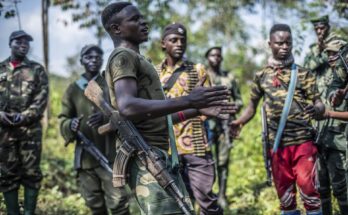
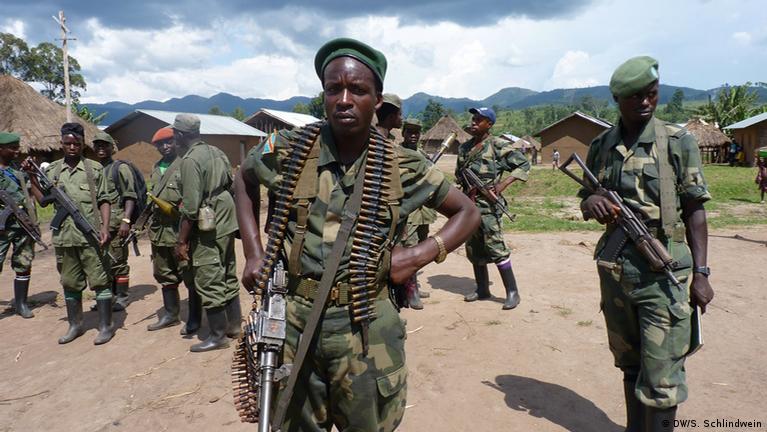
The Democratic Forces for the Liberation of Rwanda (FDLR) has reaffirmed that it has no intention of laying down its weapons unless a comprehensive political process involving all relevant parties is established.
The position was outlined in messages reportedly sent by the group to several international leaders, including U.S. President Donald Trump, at a time when diplomatic efforts aimed at stabilizing eastern Democratic Republic of Congo continue to intensify.
According to a recent report by the United Nations Group of Experts on the security situation in eastern Congo, the FDLR argues that its struggle is linked to what it describes as the protection of Hutu refugees and the pursuit of a political solution that addresses the concerns of all stakeholders in the Great Lakes region.
The report notes that the movement believes lasting peace cannot be achieved solely through military means and insists that it should be included in discussions concerning the future of the region.
However, the UN experts emphasize that these claims represent the views and justifications of the FDLR itself and should not be interpreted as positions endorsed by the United Nations.
The group further maintains that disarmament is impossible as long as what it considers unresolved political grievances remain unaddressed. Its latest statements come as the Washington Agreement continues to serve as a central framework for efforts aimed at restoring peace and stability in eastern Congo.
Under the terms of the agreement, the Congolese government committed itself to dismantling the FDLR, a move considered essential to addressing long-standing security concerns in the region.
Despite that commitment, questions continue to emerge regarding the pace and effectiveness of implementation. Regional observers argue that the continued presence of the FDLR remains one of the most contentious issues affecting trust and cooperation among countries in the Great Lakes region.
The UN report also highlights conflicting claims regarding the group’s military strength. FDLR sources have at various times suggested that the movement commands more than 10,000 fighters, while its CRAP branch has claimed figures exceeding 20,000 personnel.
Independent assessments, however, paint a different picture. UN experts and intelligence sources estimate that the actual number of combatants is likely between 3,500 and 4,500, with the majority belonging to the FDLR-FOCA military structure.
The issue has increasingly drawn attention from Washington. Massad Boulos, an adviser to President Donald Trump on African affairs, recently told the United Nations Peace and Security Council that one year after the signing of the Washington Agreement, the Congolese government had failed to fulfill its obligation to dismantle the FDLR.
His remarks were widely interpreted as a sign of growing concern within U.S. diplomatic circles regarding the slow implementation of commitments made under the agreement.
Rwanda has also repeatedly expressed concern over the continued existence of the group. Rwanda’s Minister of Foreign Affairs and International Cooperation, Olivier Nduhungirehe, recently told France 24 that Kinshasa’s failure to dismantle the FDLR remains one of the major obstacles delaying the implementation of the Washington Agreement.
Kigali considers the movement a significant security threat and has consistently argued that addressing the FDLR issue is essential for achieving durable peace in the region.
The FDLR continues to demand political negotiations before any discussion of disarmament as international actors are pressing for full implementation of the Washington Agreement. Yet the group’s refusal to surrender its weapons without broader political concessions underscores the complexity of the conflict and the challenges facing ongoing peace efforts.
With competing narratives, unresolved grievances, and mounting international pressure, the future of the FDLR question remains closely tied to the broader search for lasting security and stability in eastern Democratic Republic of Congo.