
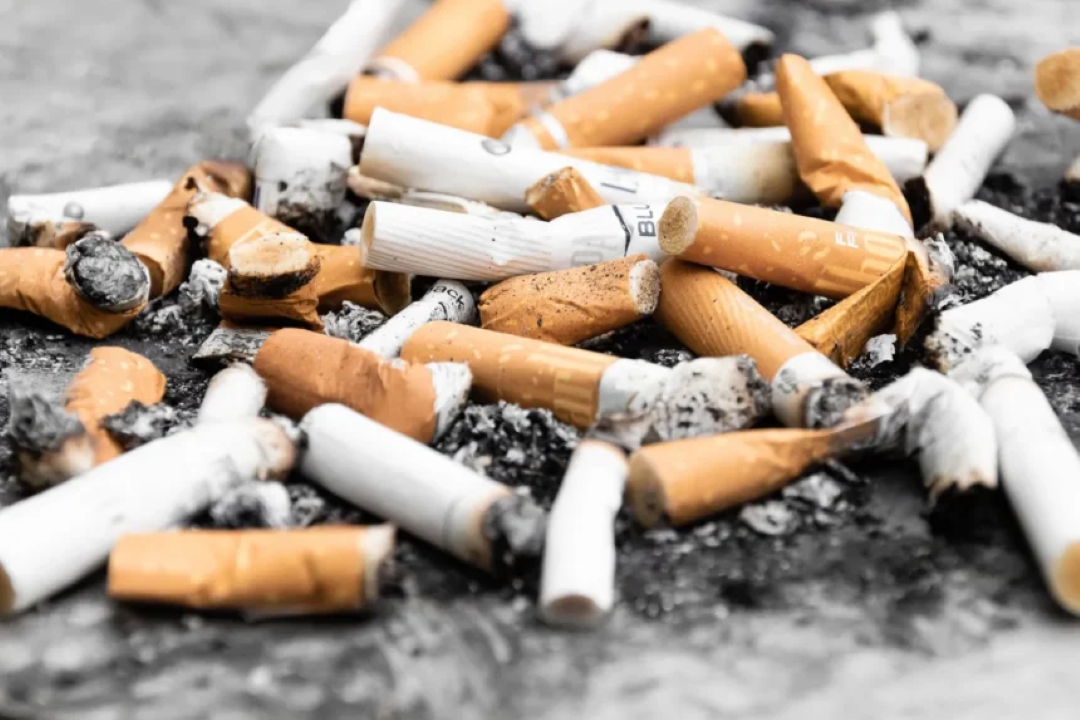
Rwanda’s Health Minister, Dr Sabin Nsanzimana, has said tobacco remains on the government’s public-health agenda, but that authorities first moved aggressively against unsafe and illicit alcohol because alcohol consumption had emerged as the more urgent and widespread concern.
The minister said the decision was driven by the scale and direction of the problem rather than by any attempt to minimise the health risks associated with tobacco.
Dr Nsanzimana made the remarks during a technology-enabled discussion on TikTok, where he responded to questions from users, particularly about government measures targeting unsafe alcohol and its impact on young people.
Alcohol has become a major public-health concern
According to Dr Nsanzimana, Rwanda has been assessing issues that could undermine the country’s long-term development and the wellbeing of its population.
He said alcohol had risen to a level where it could no longer be treated simply as an individual lifestyle choice, given its broader implications for public health and social development.
“For some time, national institutions have been examining things that could prevent Rwanda from progressing, and it is not only about guns, as you hear in neighbouring countries. Alcohol came to the number one position among things threatening the security of our future. In terms of health, we were already in a difficult situation, because alcohol is a silent killer that kills gradually,” he said.
The remarks underline the rationale behind the government’s current emphasis on tackling alcohol products considered illegal or unsafe.
Tobacco use has declined
Dr Nsanzimana pointed to national data showing a significant decline in tobacco use as one reason the government has not placed the same immediate emphasis on tobacco.
He said the proportion of Rwandans who smoke has fallen from 13% to 7% following measures introduced previously.
“The figures show that Rwandans who smoke have decreased, from 13% to 7% because of the measures that were introduced earlier,” he said.
The minister contrasted that progress with alcohol consumption, which he said remains widespread among both men and women.
According to his figures, about one in two men and one in five women consume alcohol, while consumption is also being affected by the availability of stronger alcoholic products.
Stronger alcohol products add to concerns
Dr Nsanzimana said the emergence of alcohol products containing around 40% alcohol or more had added another dimension to the public-health challenge.
He argued that the combination of widespread consumption and increasingly strong alcoholic products made alcohol a particularly urgent issue for government intervention.
“Those who drink alcohol are not few, because one man out of two drinks it, and one woman out of five drinks it,” he said, adding that the situation was becoming more concerning as stronger alcohol products entered the market.
The government’s focus, therefore, is not simply on alcohol consumption in general but also on products that may pose heightened risks because of their quality, legality or alcohol content.
Tobacco remains on Rwanda’s agenda
Although tobacco use has declined, Dr Nsanzimana made clear that the government does not consider the issue resolved.
He said tobacco could become the focus of further measures after authorities address what they currently regard as the more pressing alcohol problem.
“Tobacco’s time will come too. For now, we started by addressing what was the biggest problem killing people, but tobacco is also on our agenda, even though its use has been declining significantly,” he said.
His comments suggest that Rwanda’s public-health strategy is likely to remain focused on reducing exposure to products that contribute to preventable illness and death.
Why alcohol came before tobacco
The minister’s explanation rests largely on the different trends in consumption.
While tobacco use has declined considerably, alcohol consumption remains widespread, according to the figures he cited. The presence of stronger alcoholic products has further increased concern among health authorities.
The policy sequence, therefore, appears to reflect an attempt to concentrate resources first on the problem officials consider most urgent rather than treating all harmful substances in exactly the same way at the same time.
Public-health measures could expand
Dr Nsanzimana did not announce a specific timetable for new tobacco restrictions, nor did he outline what form future measures might take.
However, his statement that tobacco is already “on the agenda” indicates that the government could consider additional measures if the situation requires them.
The broader challenge for Rwanda is to reduce harmful consumption while protecting young people and limiting the consequences for families, communities and the national health system.
A continuing public-health campaign
Rwanda’s experience with tobacco shows that sustained public-health measures can coincide with a substantial decline in consumption, according to the figures cited by the minister.
The government is now applying greater attention to alcohol, particularly unsafe and illicit products, because officials believe the problem currently represents a more immediate threat.
Dr Nsanzimana’s message was therefore not that tobacco has been forgotten, but that Rwanda is sequencing its interventions according to the scale of the problems it currently faces.