For many young Rwandan refugees growing up in Uganda during the 1970s and 1980s, the dream of returning home was more than a political aspiration, it was a deeply personal mission shaped by exile, discrimination, and the longing for a country they had never truly known.
Among those young refugees was Col (Rtd) Vincent Mugisha, a former officer who participated in Rwanda’s liberation struggle and witnessed some of the defining moments that shaped the campaign.
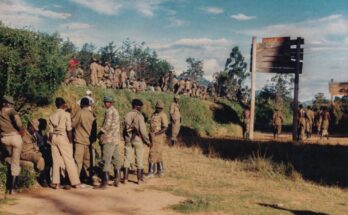
Speaking about his journey, Mugisha recalls how he was still a secondary school student in 1987 when he and several of his classmates joined Uganda’s National Resistance Army (NRA). Their decision was motivated by a desire to gain military experience that could one day help liberate Rwanda.
According to Mugisha, recruitment efforts among young Rwandans were largely organized by Rwandan officers already serving in the Ugandan military. One of the key figures who influenced him was Capt. Vedaste Kayitare.
After being introduced to military contacts, Mugisha and his friends were eventually taken for military training. Following their graduation, he was assigned to the 41st Battalion in Gulu before serving in West Nile and later Mubende.
Those experiences would ultimately prepare him for the historic invasion that launched Rwanda’s liberation struggle on October 1, 1990.
Mugisha says the hardships of refugee life played a major role in shaping his decision to become a soldier. He remembers the mass expulsions of Rwandans from Uganda in 1982, an event that deeply affected him as a young student.
His parents were among those forced to flee, while he remained behind to continue his education. The separation, uncertainty, and discrimination reinforced his conviction that refugees needed a lasting solution through the recovery of their homeland.
Like many refugee families, Mugisha’s parents frequently spoke about Rwanda. They taught their children about the country’s culture, history, and the circumstances that had forced them into exile. These stories nurtured a strong sense of national identity and strengthened their determination to return.
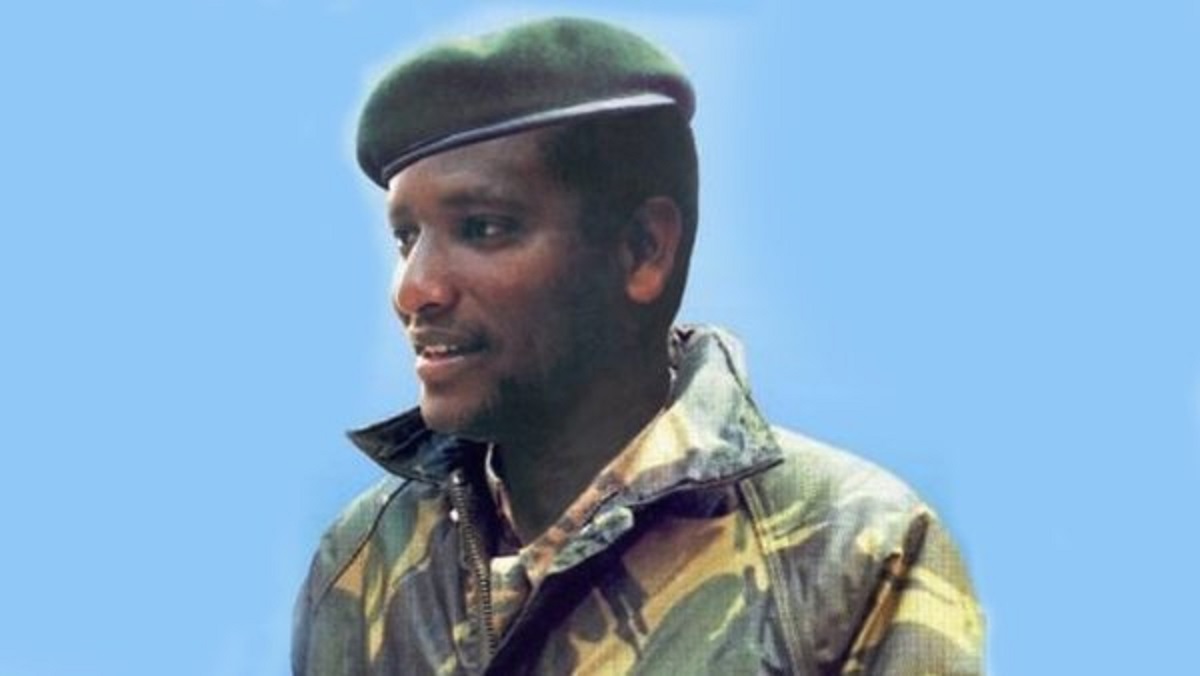
During his years in the NRA, Mugisha participated in several military operations. One battle that remains vivid in his memory took place in Minakulu, Gulu. It was there that he closely observed Fred Gisa Rwigema, the charismatic commander who inspired countless young fighters.
Mugisha recalls the intensity of the battle and the confidence Rwigema projected under pressure. Even when enemy forces returned after an initial retreat, the young soldiers drew courage from the presence and leadership of their commander.
When the liberation war began in October 1990, Mugisha was not among the first troops to cross into Rwanda. He arrived later during the night and found that Kagitumba had already been secured by the advance forces.
He remembers the excitement among soldiers who had finally stepped onto Rwandan soil after years in exile. At the same time, the realities of war quickly became apparent as commanders organized military units and prepared for further advances.
The following day, troops moved toward strategic positions while Mugisha’s unit remained behind before eventually joining the advance.
That same period was marked by tragedy. Fred Gisa Rwigema, who had led the initial assault, was killed during the early stages of the campaign.
Mugisha vividly remembers the last time he saw Rwigema alive. Before moving toward the front lines, the commander challenged his troops to remain committed to the mission and made it clear that there was no turning back.
The loss of Rwigema created uncertainty within the ranks. Many soldiers wondered how the struggle would continue without the man who had become the symbol of their cause.
The situation began to stabilize after Paul Kagame returned from military studies in the United States and assumed command of the liberation movement.
At the time of Kagame’s arrival, Mugisha had fallen ill and was receiving treatment away from the front. After recovering, he attended one of the commander’s briefings and heard firsthand the message that would shape the next phase of the war.
Kagame emphasized that victory would not come quickly. He warned soldiers that the conflict would be long and demanding, requiring patience, discipline, and determination.
Soon afterward, Mugisha’s unit received orders to move toward Gatuna. They were given a limited timeframe to reach and secure the area, a mission they successfully accomplished.
The operation helped restore confidence among the troops and marked a turning point in the campaign. From there, military efforts expanded through Byumba and Ruhengeri, gradually reshaping the battlefield and laying the foundation for future successes.
For Col (Rtd) Vincent Mugisha, the story of Rwanda’s liberation struggle is inseparable from the refugee experience. It began with displacement and hardship, continued through years of military preparation, and eventually became a defining chapter in the country’s modern history. His testimony offers a rare glimpse into the sacrifices, uncertainty, and determination that characterized the early days of the liberation war, a struggle that forever changed Rwanda’s destiny.