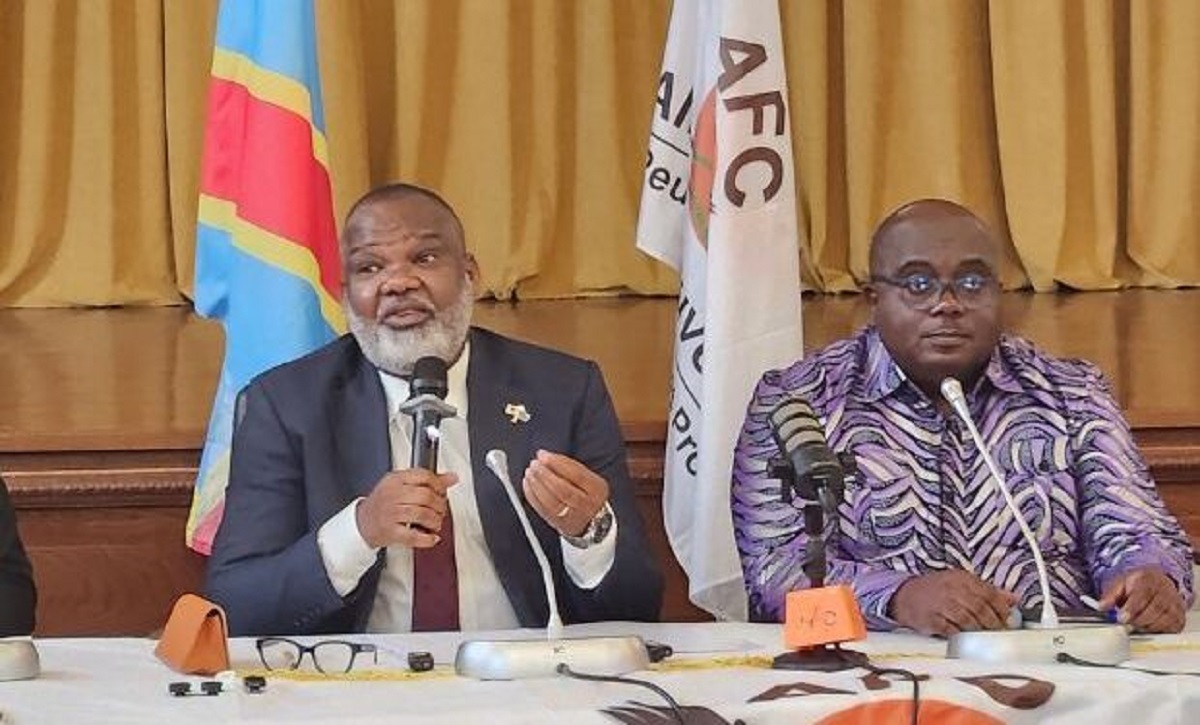
The AFC/M23 coalition has declared that it will remain on the territory of the Democratic Republic of Congo (DRC), insisting that its members are Congolese citizens who have the same rights as any other citizen to live, work, and remain in their homeland.
The statement comes at a time when eastern Congo continues to experience a complex mix of armed conflict, political tensions, and ongoing efforts aimed at finding a lasting peace. While regional and international actors remain engaged in discussions about the future of the region, AFC/M23 argues that the central issue is not whether the movement should stay or leave, but whether all Congolese citizens are granted equal rights and recognition.
According to the coalition, its members have deep historical roots in the DRC and should not be viewed as outsiders in a country they consider their own. AFC/M23 maintains that questions of citizenship and belonging have played a significant role in the country’s recurring crises and must be addressed through inclusive political solutions.
In its statement, the coalition pointed to Congo’s long history, from pre-colonial kingdoms to the modern republic, arguing that different communities have shared the same national space despite periods of political instability and conflict. It says this historical reality should encourage dialogue and coexistence rather than exclusion.
AFC/M23 further stated that Congo’s challenges cannot be solved by denying certain communities their rights or excluding them from national life. Instead, the coalition called for a political framework built on equality, mutual respect, and the recognition of the citizenship rights of all Congolese people.
The movement also emphasized that sustainable peace in eastern Congo will require more than military responses. In its view, long-term stability can only emerge through political engagement, reconciliation, and reforms that address the concerns of affected communities.
As diplomatic initiatives and peace discussions continue, AFC/M23 says it has no intention of leaving Congolese territory. The coalition argues that its presence is tied to its belief that it is part of the Congolese nation and that its members deserve the same protections and opportunities afforded to every other citizen.
The group reiterated that its objective is to promote dignity, equality, and respect among all communities. It maintains that lasting peace will only be achieved when every Congolese citizen feels represented, protected, and treated equally under the law.
The declaration is likely to fuel further debate within Congolese political circles as well as among regional and international stakeholders involved in efforts to resolve the crisis. Nevertheless, AFC/M23 remains firm in its position, insisting that citizenship rights and equal treatment for all Congolese citizens should remain at the center of any future political settlement.