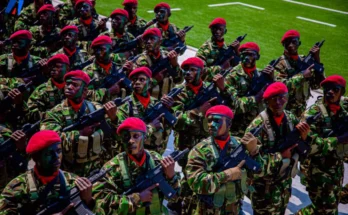
Former Democratic Republic of the Congo Vice President Azarias Ruberwa has called on the Congolese government to withdraw Burundian troops operating in Uvira, arguing that their military cooperation with the Congolese army has contributed to worsening insecurity in the Minembwe highlands. His remarks come as political analyst Jason Stearns insists that a negotiated settlement involving the M23 rebel movement is now the most realistic path toward ending the conflict.
Speaking to ACTUALITE.CD, Ruberwa criticized Kinshasa’s handling of the security crisis in Minembwe, saying cooperation with Burundi had aggravated the situation rather than stabilizing it.
According to Ruberwa, FARDC previously deployed forces to protect civilians and combat Mai-Mai militias, but the mission changed after new security arrangements were introduced. He argued that civilians have become the primary victims of continued fighting.
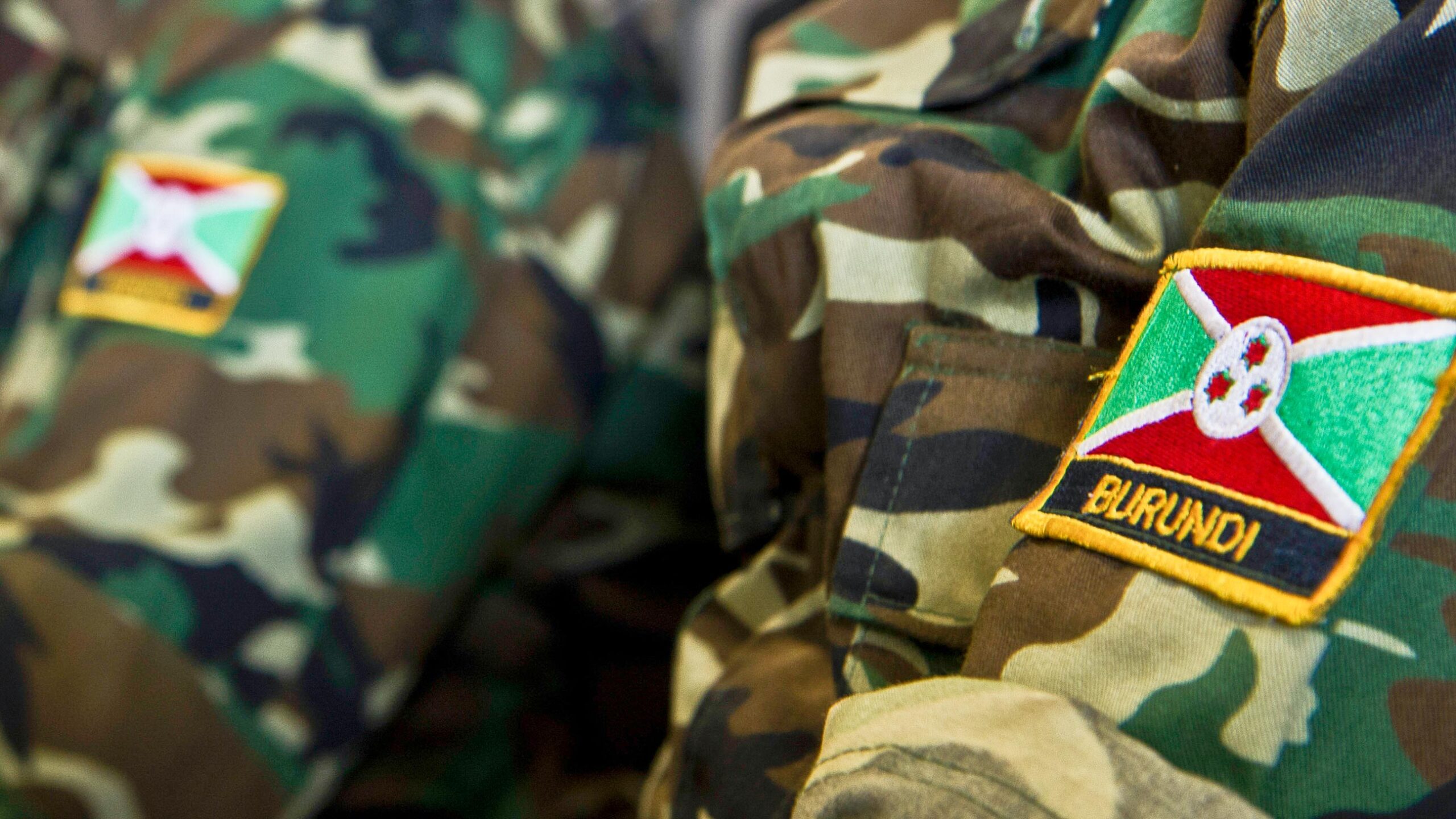
Burundi maintains that its troops entered eastern Congo to pursue RED-Tabara, an armed group opposed to the Burundian government. Ruberwa, however, questioned their presence in Minembwe, saying the area has instead become a battleground that continues to endanger local communities.
He described Minembwe as the focal point of the wider conflict despite relative calm emerging on other front lines following ceasefire efforts. Ruberwa urged the Congolese government to remove foreign troops from Uvira, appealed to the United Nations Security Council to become more involved in resolving the crisis, and called for an independent international investigation into alleged crimes against civilians in Minembwe, alongside faster humanitarian assistance for affected residents.
As discussions over the future of eastern Congo continue, researcher Jason Stearns has also argued that military pressure alone is unlikely to resolve the conflict.
During a live discussion hosted by journalist Stanis Bujakera Tshiamala on X Spaces, Stearns acknowledged that diplomatic pressure on Rwanda had played a role during the 2013 conflict. However, he stressed that today’s circumstances are fundamentally different and that expecting similar results would be unrealistic.
Stearns said policymakers in Washington increasingly recognize that the current conflict cannot be solved simply by external pressure. Instead, he argued that the crisis requires a comprehensive political and diplomatic solution.
He also maintained that Kinshasa should face pressure to negotiate, while emphasizing that any eventual political agreement must preserve the Democratic Republic of the Congo’s sovereignty.
Although Ruberwa and Stearns approach the crisis from different perspectives, both suggest that lasting peace will require new strategies beyond the current military approach. While Ruberwa focuses on protecting civilians and reassessing the role of foreign troops, Stearns believes meaningful political negotiations involving M23 offer the strongest opportunity to achieve a durable settlement in eastern Congo.