Political tensions in the Democratic Republic of Congo have entered a new phase after opposition leaders announced plans for a large-scale demonstration in Kinshasa following discussions with Burundian President Evariste Ndayishimiye.
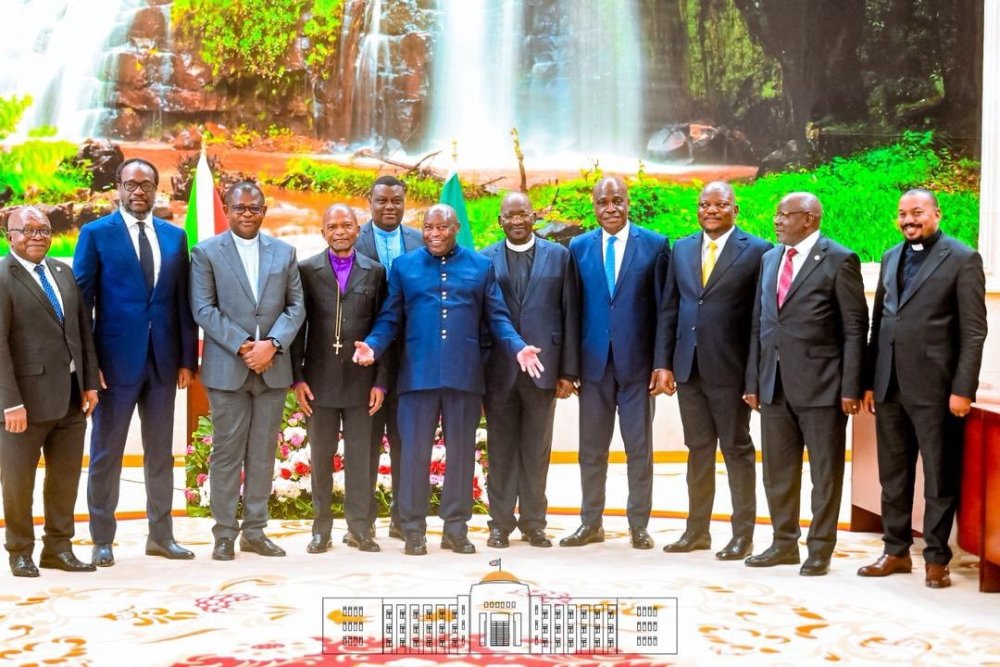
The meeting, held on June 6, 2026, brought together prominent opposition figures including Martin Fayulu, Delly Sessanga and Jean-Marc Kabund, alongside representatives of religious institutions such as Monsignor Donatien Nshole, Secretary General of the National Episcopal Conference of Congo.
The discussions came after Ndayishimiye invited members of the C64 coalition, a political platform created by opposition leaders who say they want to defend the country’s Constitution against any attempts to modify presidential term limits.
Members of the coalition argue that President Félix Tshisekedi, whose current mandate is approaching its final stage, is associated with efforts to promote constitutional reforms that could potentially allow him to remain in power beyond the limits currently established by law.
During their talks with the Burundian leader, opposition representatives outlined what they described as the country’s major challenges, including insecurity, governance concerns, restrictions on political freedoms and weak respect for democratic principles.
They emphasized the need for genuine and inclusive political dialogue capable of addressing the country’s growing tensions. According to the coalition, meaningful negotiations would require the release of political prisoners, the restoration of travel documents to political figures who have lost them, and mediation led by a neutral representative appointed through the African Union.
The opposition leaders also reaffirmed their support for a peace dialogue initiative promoted by the Catholic Church and the Anglican Church. They argue that the proposal is inclusive because it seeks participation from all Congolese stakeholders. The initiative has faced resistance from the government, particularly because church leaders suggested that armed groups should also be represented in discussions aimed at ending conflict.
Before the meeting, Delly Sessanga had indicated that Ndayishimiye was expected to share insights from his previous discussions with President Tshisekedi in Kinshasa regarding possible political solutions for the country.
Following the talks, the Burundian Presidency described the exchange as open, sincere and constructive. According to the official statement, President Ndayishimiye welcomed the frank discussions and stressed the importance of unity, dialogue and peaceful solutions.
The statement further noted that both sides shared a common desire to see lasting peace and security restored not only in the Democratic Republic of Congo but across the wider Great Lakes region.
Despite the discussions, the C64 coalition has maintained its political campaign. On July 6, coalition leaders formally notified the Mayor of Kinshasa that they intend to organize a protest on July 22 outside the presidential palace.
The demonstration is expected to focus on opposition to any constitutional amendments and on delivering a political message directly to President Tshisekedi. While organizers have not publicly disclosed the full content of that message, they insist the protest is intended to defend democratic principles and constitutional order.
As preparations continue, opposition figures have urged President Ndayishimiye to remain neutral in any mediation efforts. They argue that his role as Chairperson of the African Union requires impartiality, particularly given his longstanding relationship with President Tshisekedi.
The developments highlight the increasingly heated debate surrounding governance, constitutional reform and political freedoms in the Democratic Republic of Congo. With elections and succession questions gradually moving to the center of national politics, the coming weeks may prove decisive in shaping the country’s political landscape.