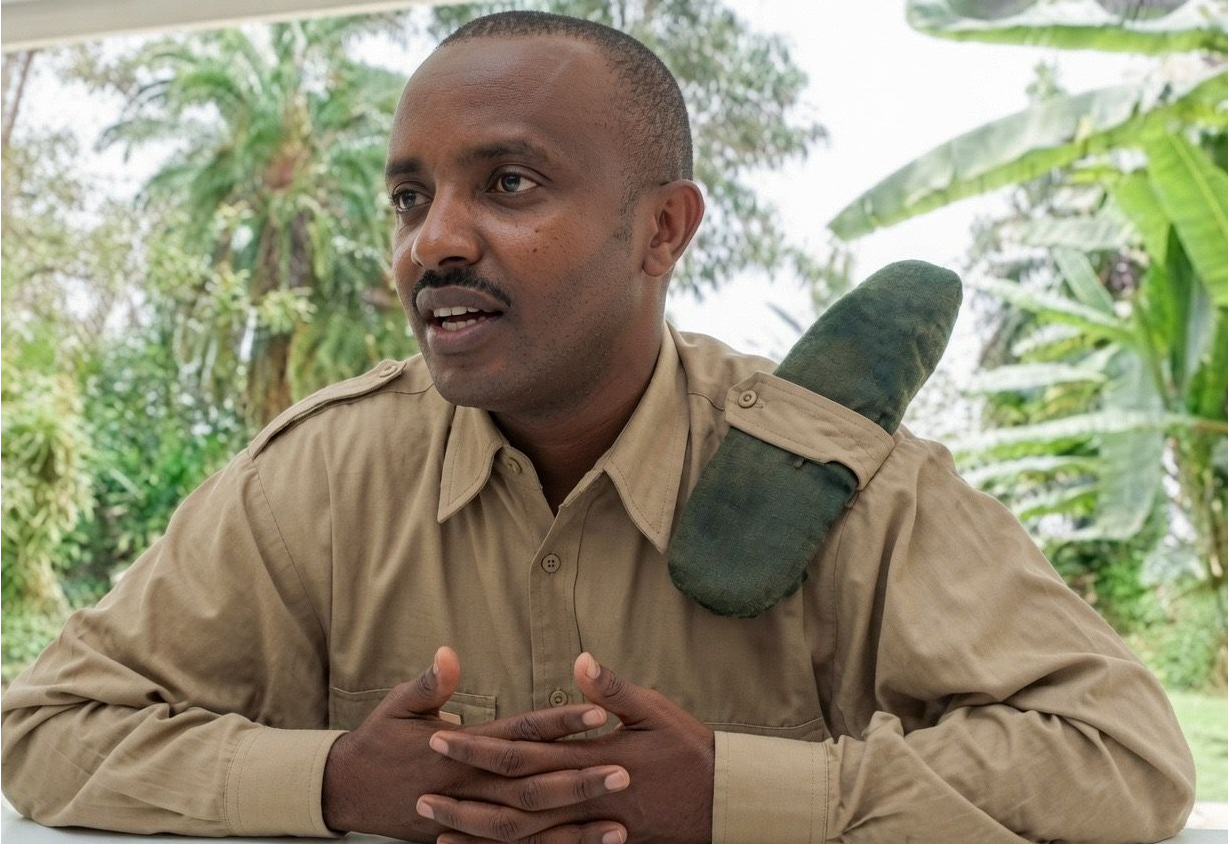
A fresh wave of leadership changes within the Armed Forces of the Democratic Republic of Congo (FARDC) has drawn attention after Lieutenant General Rwibasira Ruyumbu Obed was removed from his position as commander of the country’s military schools.
The decision was revealed in an official document issued by the Office of the FARDC Chief of Staff, confirming that Major General Kalonda Famba Kaf had been appointed to take over the role on an interim basis with immediate effect.
In the appointment message, FARDC Chief of Staff Lieutenant General Banza Mwilambwe Jules stated: “Following the document concerning the suspension of Lt. Gen. Rwibasira Ruyumbu Obed, Commander of Military Schools, you are hereby appointed interim commander of military schools pending further instructions. I urge you to work with patriotism in order to meet the expectations of the Head of State.”
The announcement immediately fueled debate among military observers and political analysts, largely because no official explanation has been provided regarding the reasons behind Rwibasira’s removal.
So far, FARDC authorities have not announced any disciplinary action, allegations, or accusations against the senior officer. The absence of details has encouraged widespread speculation about what may have prompted the decision.
Rwibasira is regarded as one of the better-known senior officers within the Congolese armed forces. Throughout his career, he held several strategic positions, including commander of the 34th Military Region in North Kivu and commander of the 5th Military Region in Kasai.
He assumed leadership of FARDC’s military schools in early 2025, a role that placed him at the center of training and preparing future generations of Congolese military personnel.
His public profile grew further in April 2025 during a graduation ceremony for soldiers in Kananga, where he expressed confidence that FARDC would ultimately defeat the M23 rebellion. His remarks attracted significant attention at the time as fighting continued in eastern Congo.
Rwibasira’s departure comes at a moment when FARDC is undergoing broader changes within its senior leadership structure. At the same time, the High Military Court has opened proceedings against several senior officers on charges that include treason.
Among those facing trial is former FARDC Chief of Staff Christian Tshiwewe Songesa, a development that has intensified discussions about whether current leadership reshuffles are connected to ongoing judicial and institutional reforms.
Although no official link has been established between the court cases and Rwibasira’s removal, analysts view the latest move as part of a wider effort to reorganize key military institutions at a time of significant security and political challenges.
Attention is now turning to Major General Kalonda Famba Kaf as he assumes responsibility for overseeing the military education system. Observers are also waiting to learn whether Rwibasira will be assigned another position or whether authorities will eventually clarify the reasons behind his sudden departure.
With eastern Congo continuing to face persistent security threats, changes within the military hierarchy are being closely watched for their potential impact on operational effectiveness, troop preparedness, and the broader security strategy of the Congolese state.
For now, many questions remain unanswered. What is clear, however, is that the removal of one of FARDC’s senior commanders has become another significant chapter in the ongoing transformation of Congo’s military leadership.