The United States is reportedly preparing a new migrant relocation initiative that could see individuals from Iran and several other countries transferred to the Central African Republic (CAR), a nation where international peacekeeping forces and Rwandan troops continue to play a major role in maintaining stability.
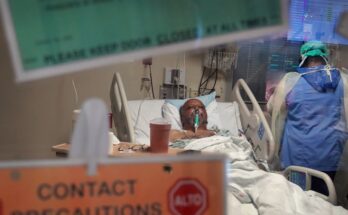
According to information shared by sources familiar with the discussions, the plan involves relocating migrants from countries including Iran, Afghanistan, and Syria. Among those expected to be affected are two Iranian women whose cases have attracted significant attention because of concerns over their safety if returned to their homeland.
Their attorney, Emily Trostle, stated that one of the women is a Christian convert while the other is a pro-democracy activist. Both profiles place them in categories that human rights advocates argue could face serious risks if forced back to Iran.
The two women were detained after arriving in the United States. However, a judge later ruled against deporting them directly to Iran after determining that there was a substantial likelihood that they could be subjected to torture or severe punishment upon their return.
Sources who spoke to Reuters indicated that an initial flight carrying approximately 20 migrants, including nationals from Iran, Afghanistan, Syria, and other countries, could depart as part of the relocation effort.
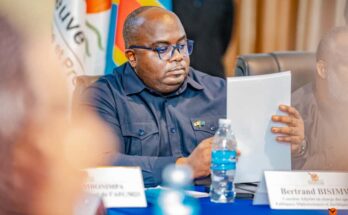
Despite growing international attention, authorities in the Central African Republic have not publicly commented on the reported plan. Neither the country’s Ministry of Foreign Affairs nor the presidency has issued an official statement, even though CAR previously signed agreements related to accepting certain categories of migrants.
The proposal comes at a time when the Central African Republic continues its long journey toward stability after years of conflict and political unrest. The country remains heavily dependent on international partnerships to strengthen security institutions and protect civilians.
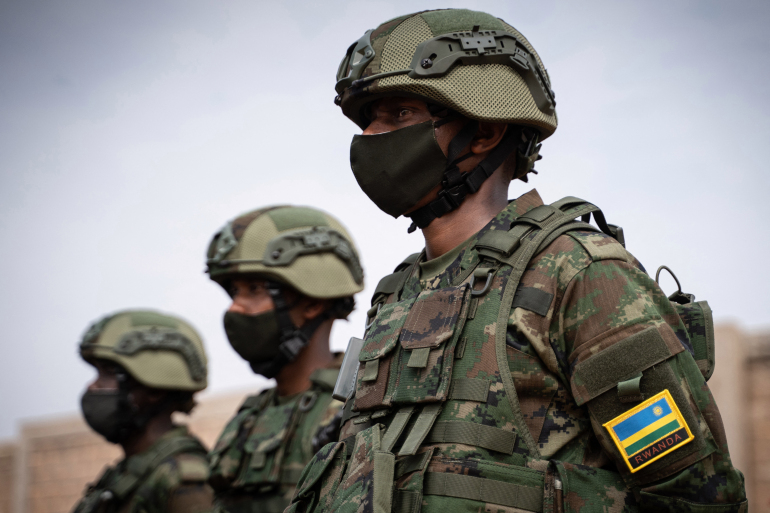
One of the most visible contributors to that effort has been Rwanda. Since 2014, Rwanda has maintained a significant presence within the United Nations peacekeeping mission known as MINUSCA, deploying troops to support peace and security operations across the country.
Rwanda’s role expanded further at the end of 2020 when Kigali and Bangui entered into additional bilateral security arrangements. Specially deployed Rwandan forces helped counter armed groups that threatened government institutions and key population centers.
Today, Rwandan personnel are involved in several strategic responsibilities, including the protection of President Faustin-Archange Touadéra, securing the capital Bangui and surrounding areas, safeguarding civilians, supporting UN operations, and helping train the Central African Armed Forces (FACA).
Their contribution has earned praise from many local leaders and residents, who frequently cite the professionalism of Rwandan troops. Beyond military duties, Rwandan personnel have also participated in community initiatives, sanitation campaigns, and development-oriented activities.
Analysts believe the proposed American relocation plan could elevate CAR’s profile in international migration discussions while also raising questions about the country’s capacity to absorb and support new arrivals.
Supporters of the initiative argue that international security assistance, including the presence of MINUSCA and Rwandan forces, provides a stronger environment than in previous years. Critics, however, point to ongoing challenges in some regions and call for greater transparency regarding how migrants would be accommodated and protected.
As Washington continues to develop the proposal, attention is increasingly focused on Bangui. Whether the Central African Republic ultimately becomes a destination for relocated migrants may depend on diplomatic negotiations, security assessments, and the willingness of local authorities to participate in the program.
For now, the reported plan underscores the growing international significance of a country that has spent years rebuilding from conflict and highlights the strategic role Rwanda continues to play in its security landscape.