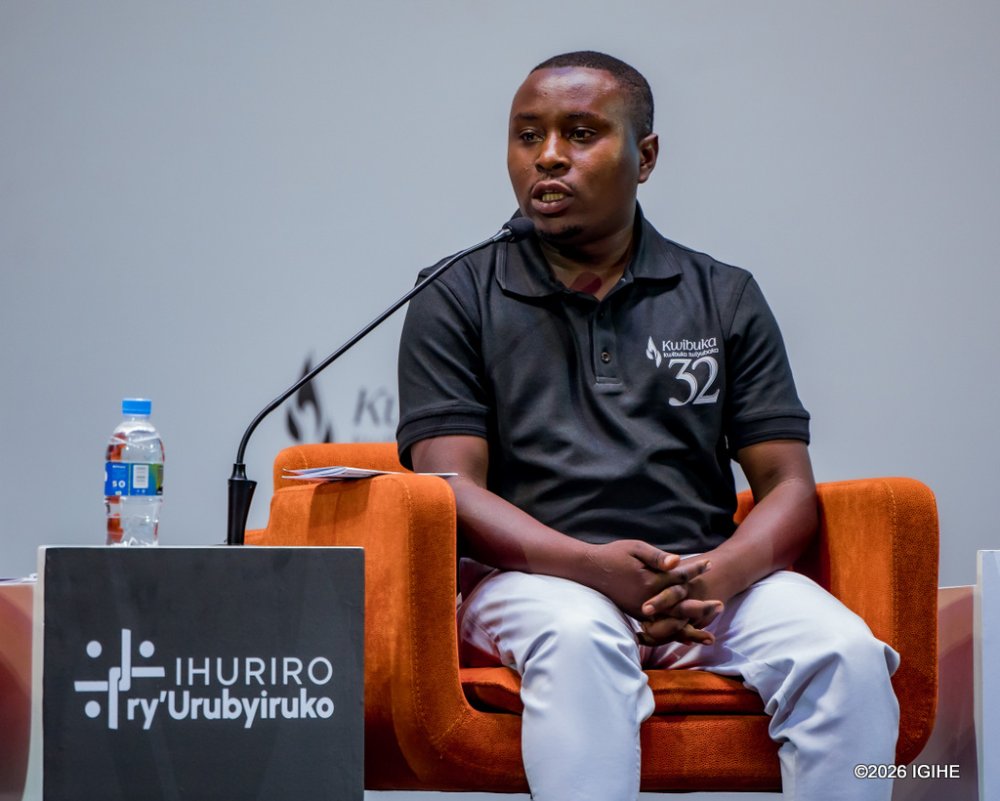
Patrick Nkurunziza’s life story reflects the long shadow of the 1994 Genocide against the Tutsi and how its consequences continued to affect generations of Rwandans beyond the country’s borders.
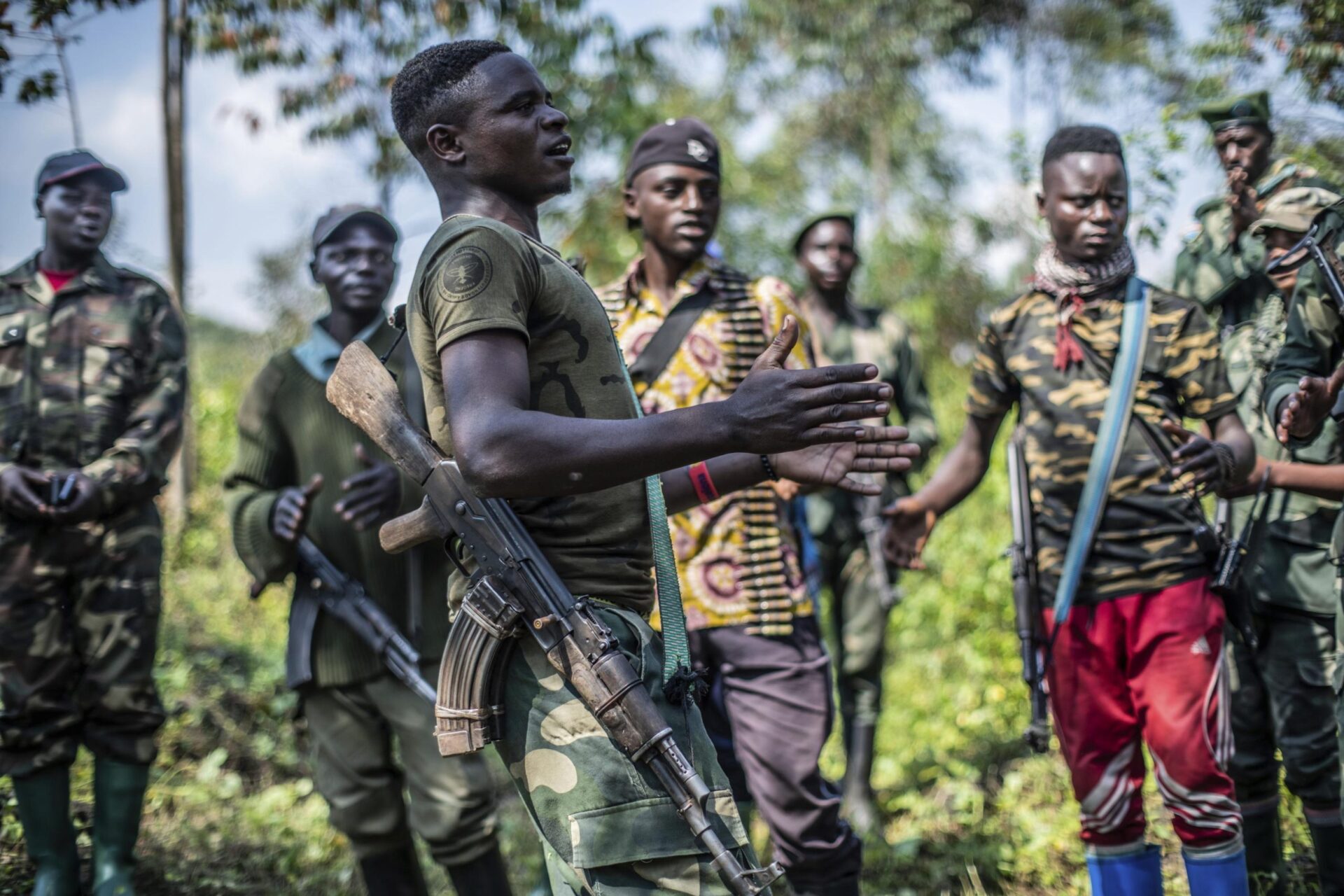
Born in the Democratic Republic of Congo in 1997, Nkurunziza grew up far from Rwanda, unaware that his childhood would eventually be consumed by conflict. At just 14 years old, he was forcibly recruited into the FDLR, an armed group founded by individuals linked to the perpetrators of the Genocide against the Tutsi.
According to his testimony, his father had consistently refused to join the movement despite pressure from its leaders. Believing they could force the family’s loyalty, the group targeted Patrick instead.
Blindfolded alongside a friend named John, he was transported from Rutshuru into the dense forests of Walikale, where his life changed forever.
The teenager quickly became trapped in a world of violence, fear and constant abuse. He was forced to carry heavy military equipment, ammunition and supplies far beyond his physical capacity. Refusal was not an option.
Within months, he underwent military training and was handed a rifle despite being barely strong enough to carry it. Alongside combat drills came extremist indoctrination, including messages promoting hatred and violence against Tutsi communities.
Life inside the group was marked by hardship. Food and resources were often obtained through looting local civilians, while young recruits lived under strict control and constant intimidation.
As time passed, Patrick began questioning the promises made by the group’s commanders. The repeated claims that they would one day overthrow the Rwandan government seemed increasingly unrealistic to him.
At the age of 15, he decided to escape.
The journey toward freedom was extremely dangerous. Together with another young recruit, he crossed hostile territory while avoiding armed fighters determined to stop deserters. Captured escapees were often punished severely to discourage others from leaving.
After days of uncertainty, the two finally reached MONUSCO peacekeepers, opening a path back to Rwanda.
Yet another tragedy awaited him.
While preparing for repatriation, Patrick learned that his parents had been killed by FDLR members as retaliation for his escape. The devastating news left a permanent scar, but he pressed forward with his journey home.
Crossing into Rwanda through Rusizi became a turning point in his life. Everything he saw contradicted the narratives he had heard for years inside the forests.
Instead of fear and persecution, he encountered welcoming officials, smiling citizens and a sense of stability he had never expected.
Initially convinced that returnees were executed upon arrival, he had mentally prepared himself for death. What he discovered instead was a structured reintegration process designed to help former combatants rebuild their lives.
After spending time at the Nyarushishi transit center, he was transferred to Mutobo Reintegration Center, where he met many former fighters who had successfully reintegrated into society.
One of his greatest surprises was witnessing local leaders and senior officials moving freely without large security entourages. The peaceful environment challenged everything he had been taught about Rwanda.
Following rehabilitation programs in Mutobo and later in Nyarubande, Patrick received civic education and vocational training in hospitality.
For the first time in his life, he had an opportunity to explore his talents. He discovered a passion for music and received support to develop it professionally. Eventually, he recorded 12 songs carrying messages of peace and encouraging those still living in armed groups in eastern Congo to return home.
As his confidence grew, he pursued additional employment opportunities and gradually built a stable future.
In 2023, Patrick married and started a family. Today, he is the father of one child and lives a life dramatically different from the one he experienced as a child soldier in the forests of eastern Congo.
His journey stands as a powerful example of resilience, showing how a person can rebuild a future even after losing both childhood and family to conflict. Through his story, he continues to encourage others trapped in armed groups to choose a different path and embrace the possibility of a new beginning.