A new wave of violence and political tension has once again exposed the deep challenges facing the Democratic Republic of Congo, as deadly airstrikes hit Minembwe while opposition demonstrations erupted in the capital, Kinshasa.
Residents of Minembwe woke up to a day of tragedy on June 12, 2026, when Sukhoi-25 fighter aircraft carried out two bombing raids targeting the town center. According to reports released by the AFC/M23 coalition, the attacks occurred at approximately 10:30 a.m. and again at 2:45 p.m.
The strikes reportedly killed several civilians, injured many others, and destroyed numerous homes. Entire families were left homeless as buildings collapsed under the impact of the bombardment.
In a statement issued after the attacks, AFC/M23 spokesperson Lawrence Kanyuka condemned the bombings and called for urgent attention to the plight of civilians caught in the conflict.
He stated, “Faced with such tragedy, no one can continue to remain silent or stand by while our fellow citizens are being killed before the eyes of the world.”
The statement further argued that silence and inaction only encourage the repetition of such incidents and prolong the suffering of innocent civilians.
While eastern Congo was dealing with the aftermath of the airstrikes, political tensions were simultaneously escalating in Kinshasa.
Opposition leader Martin Fayulu was injured during a protest organized against President Félix Tshisekedi’s proposed constitutional reforms and plans for a national referendum.
Opposition parties accuse the government of seeking constitutional changes that could potentially allow Tshisekedi to remain politically dominant beyond the end of his second term in 2028. The government rejects those claims, insisting that the reforms are intended to modernize state institutions and expand citizen participation through a referendum process.
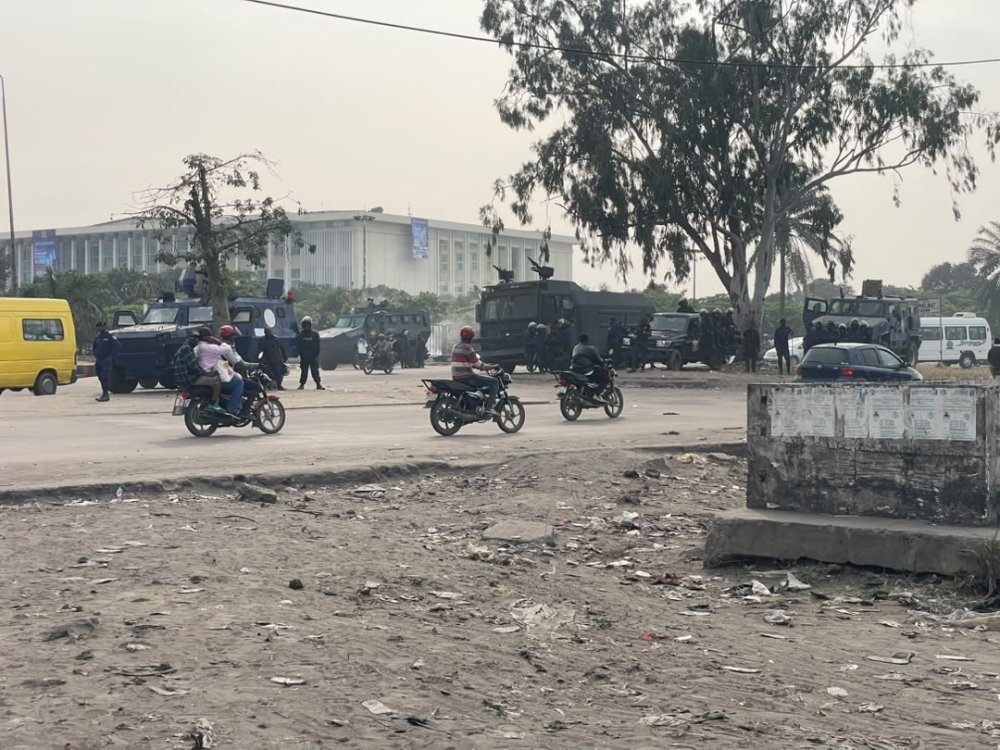
The demonstration was organized outside the National Assembly building, known as the Palais du Peuple, following lawmakers’ approval of a referendum-related bill on June 9.
Large numbers of opposition supporters gathered for the event, but tensions quickly escalated as security forces attempted to disperse crowds. Witness accounts indicate that tear gas was used, creating confusion and panic among demonstrators.
At the same time, reports emerged that the headquarters of Fayulu’s ECIDé party came under attack by members of Force du Progrès, a youth movement associated with the ruling UDPS party. Property was reportedly damaged during the incident.
Videos circulating on social media showed Fayulu bleeding from the head while supporters rushed to protect him and move him away from the chaos. Although some reports suggested he may have been struck by police gunfire, no official confirmation has been provided regarding the exact cause of his injury.
What remains undisputed is that live ammunition was reportedly fired during the unrest and several people were injured.
Speaking to journalists after the incident, Fayulu accused security forces of using live rounds against peaceful protesters.
He said, “Police fired live ammunition with the intention of taking the lives of peaceful demonstrators.”
Fayulu has consistently opposed the constitutional reform initiative, arguing that it could undermine democratic safeguards and open the door to extending presidential influence beyond current constitutional limits.
The events in Minembwe and Kinshasa highlight the multiple crises confronting the Democratic Republic of Congo. While civilians in the east continue to bear the devastating consequences of armed conflict, political divisions in the capital are becoming increasingly intense.
As grieving families in Minembwe search for shelter and mourn their loved ones, the constitutional debate in Kinshasa continues to fuel uncertainty about the country’s political future, raising new concerns about stability, governance, and national cohesion in one of Africa’s most strategically important nations.