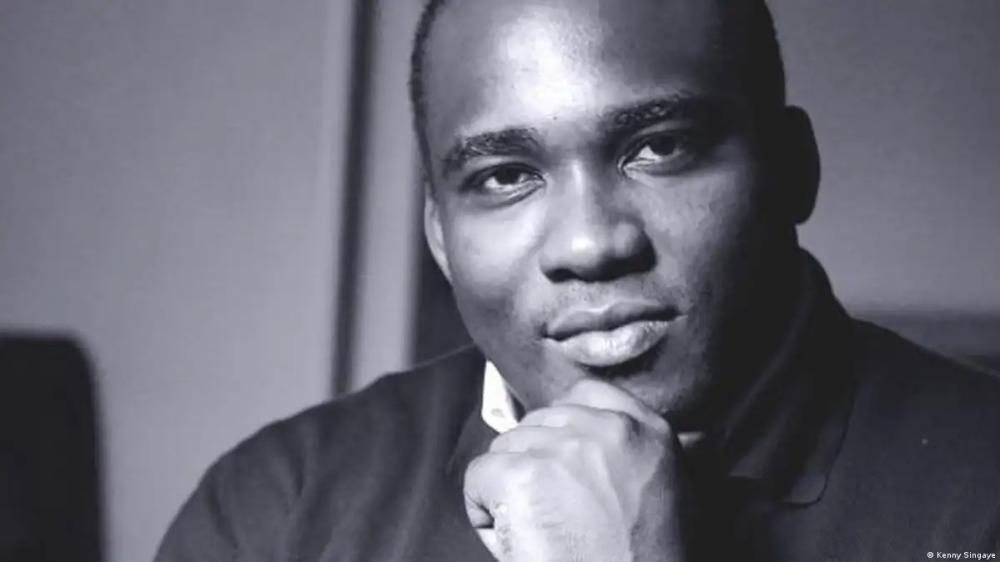
As diplomatic and security tensions between Rwanda and the Democratic Republic of Congo continue to shape politics in the Great Lakes region, one name has increasingly resurfaced in regional debates: Jean-Luc Habyarimana.
The son of former Rwandan President Juvénal Habyarimana has spent years living outside Rwanda and has periodically appeared in political discussions involving Rwandan opposition figures based abroad.
Although he is not widely known as the leader of a major political party, Jean-Luc Habyarimana remains a recognizable figure because of his family background and his connections to political circles that have long debated Rwanda’s future from exile.
Over the years, his name has appeared in reports and discussions involving meetings, conferences, and political initiatives bringing together various groups opposed to the government in Kigali. Political observers say his profile often attracts attention because of the historical significance attached to the Habyarimana name.
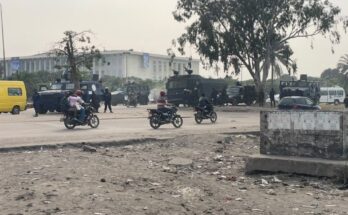
Regional attention surrounding him intensified as relations between Rwanda and the Democratic Republic of Congo deteriorated amid the ongoing conflict in eastern Congo. During this period, reports from different sources suggested that he had made visits to countries including DR Congo and Burundi.
Those reports emerged at a time when the conflict involving the AFC/M23 movement and the Congolese government was dominating regional security discussions and reshaping diplomatic relations across Central and East Africa.
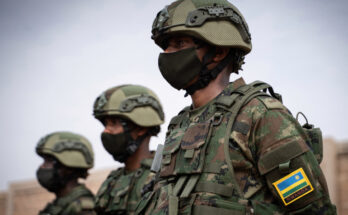
Rwandan authorities have repeatedly accused the Congolese government of cooperating with the FDLR, an armed group that includes individuals linked to the perpetrators of the 1994 Genocide against the Tutsi.
In November 2025, President Paul Kagame publicly stated that Congolese authorities had been working with several individuals, including a son of former President Juvénal Habyarimana, in activities connected to the FDLR.
According to Kagame, intelligence gathered by Rwanda indicated that individuals living in Europe and the United States had been involved in efforts linked to the armed group and had maintained contact with Congolese authorities.
His remarks immediately reignited debate over the role of exiled Rwandan political actors in regional security dynamics and brought Jean-Luc Habyarimana back into the spotlight.
On the other side of the dispute, the Congolese government has continued to accuse Rwanda of supporting AFC/M23, allegations that Kigali consistently rejects. Rwanda argues that the central security issue remains the relationship between Congolese authorities and the FDLR.
Political analysts say Jean-Luc Habyarimana’s continued relevance stems not only from his family legacy but also from perceptions that he could serve as a bridge between different factions of Rwandan opposition groups living abroad.
Various reports have suggested that authorities in Kinshasa and Gitega view him as someone capable of bringing together diverse political and military figures opposed to the Rwandan government, including former members of Rwanda’s security institutions now living in exile.
Whether those perceptions accurately reflect his actual influence remains a matter of debate. What is clear, however, is that his name continues to appear whenever discussions turn to opposition politics, regional alliances, and the evolving relationship between Rwanda and its neighbors.
As security concerns and diplomatic rivalries persist across the Great Lakes region, Jean-Luc Habyarimana is likely to remain a figure closely watched by governments, analysts, and political observers alike.