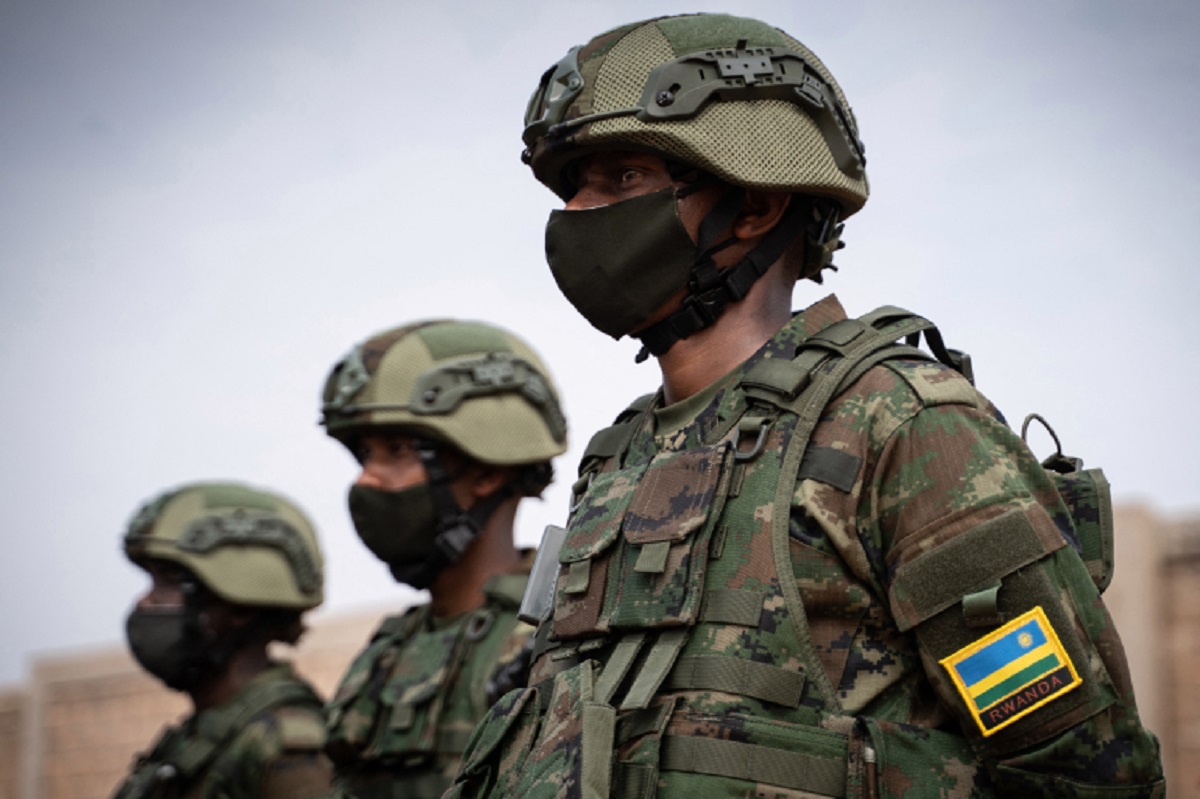
The Government of Rwanda has confirmed that its troops will remain in Mozambique’s Cabo Delgado province after concerns over the funding of the military mission were resolved, easing months of uncertainty surrounding the future of Rwanda’s counterterrorism deployment.
Speaking on Tuesday, Rwanda’s Minister of Foreign Affairs and International Cooperation, Olivier Nduhungirehe, said the financial challenges that had threatened the continuation of the mission no longer exist.
“We had said that we would withdraw the troops if funding was not found. That problem no longer exists,” he said.
Rwanda first deployed troops to Cabo Delgado in 2021 at the request of the Mozambican government to help combat extremist groups linked to ISIS that had destabilized the gas-rich northern province.
The latest announcement follows months of debate over who should finance the operation after reports emerged that the European Union could suspend support previously provided through the European Peace Facility.
Earlier this year, Rwanda’s government spokesperson, Yolande Makolo, warned that the deployment could not continue indefinitely without a sustainable funding mechanism.
She stressed that Rwanda had already carried the largest financial burden of the mission since 2021 and argued that Mozambique, together with international partners and foreign investors operating in Cabo Delgado, should assume greater responsibility.
“Rwanda has not requested and will not request additional support from the European Peace Facility; that issue must be addressed by Mozambique,” Makolo said at the time.
She added that Rwanda remained proud of its contribution alongside Mozambican forces in defeating terrorist groups, protecting civilians, and helping revive economic activities in the province.
The funding tensions intensified after sanctions imposed by the United States against some Rwandan military officials reportedly influenced European discussions about suspending financial support for the operation.
In March, Nduhungirehe strongly defended Rwanda’s role in Mozambique, saying Kigali had invested heavily in the mission and lost soldiers in the process.
“Rwanda did not invest millions of euros in Mozambique and sacrifice some of its soldiers so that our heroic troops would later be blamed, discredited, criticized, accused, or sanctioned by countries that themselves benefit from our assistance in Mozambique,” he said.
He also warned at the time: “We are ready to leave Mozambique if our work and achievements are not given the value they deserve.”
Although the minister declined to disclose who would now finance the mission, he confirmed that Rwanda had chosen to strengthen direct cooperation with the Mozambican government, which he said had secured the necessary resources to continue supporting Rwandan forces in Cabo Delgado.
In a statement posted on X, Nduhungirehe said cooperation between the two governments remained strong and would continue because Rwanda’s military operations are highly appreciated by Mozambique, which he described as “a friend and brother nation.”
According to the minister, the security mission has produced visible results since 2021, including the restoration of stability in areas previously terrorized by insurgent violence.
He said displaced families have returned home, schools have reopened, businesses have resumed operations, and Mozambican security forces continue to receive training from Rwanda’s military.
The return of stability has also allowed major Western energy companies to resume multibillion-dollar gas investments estimated at around $50 billion.
Regional analysts believe Rwanda’s continued presence in Cabo Delgado further strengthens Kigali’s reputation as a key security partner in Africa, especially as its intervention continues to receive support from both Mozambique and international investors operating in the region.