Rwandan consumers may soon face higher prices for food and everyday goods after a sharp increase in diesel costs, even as the government moves to shield households from the immediate impact through a substantial fuel subsidy.
The Rwanda Utilities Regulatory Authority (RURA) announced new fuel prices on June 5, 2026, with the changes taking effect the following day. While gasoline remained unchanged at RWF 2,938 per litre, diesel rose dramatically from RWF 2,205 to RWF 2,927 per litre, an increase of RWF 722.
The adjustment marks one of the most significant fuel price increases in recent months and comes less than two months after the previous review conducted in April 2026.
According to RURA, the latest pricing decision reflects developments in international energy markets while also taking into account government efforts to cushion citizens and businesses from severe economic consequences.
Authorities emphasized that state intervention has prevented fuel prices from climbing even higher. Government support currently covers approximately 18.5 percent of the diesel cost, meaning a litre would have reached RWF 3,581 without the subsidy.
Although public transport users will not see any increase in bus fares, economists warn that higher diesel costs often have a direct effect on supply chains and transportation expenses.
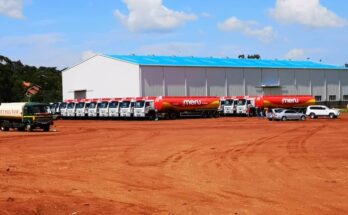
Diesel remains the primary fuel used by cargo trucks transporting goods from ports, border posts, and agricultural production areas. As transport costs rise, traders frequently pass those additional expenses on to consumers through higher retail prices.
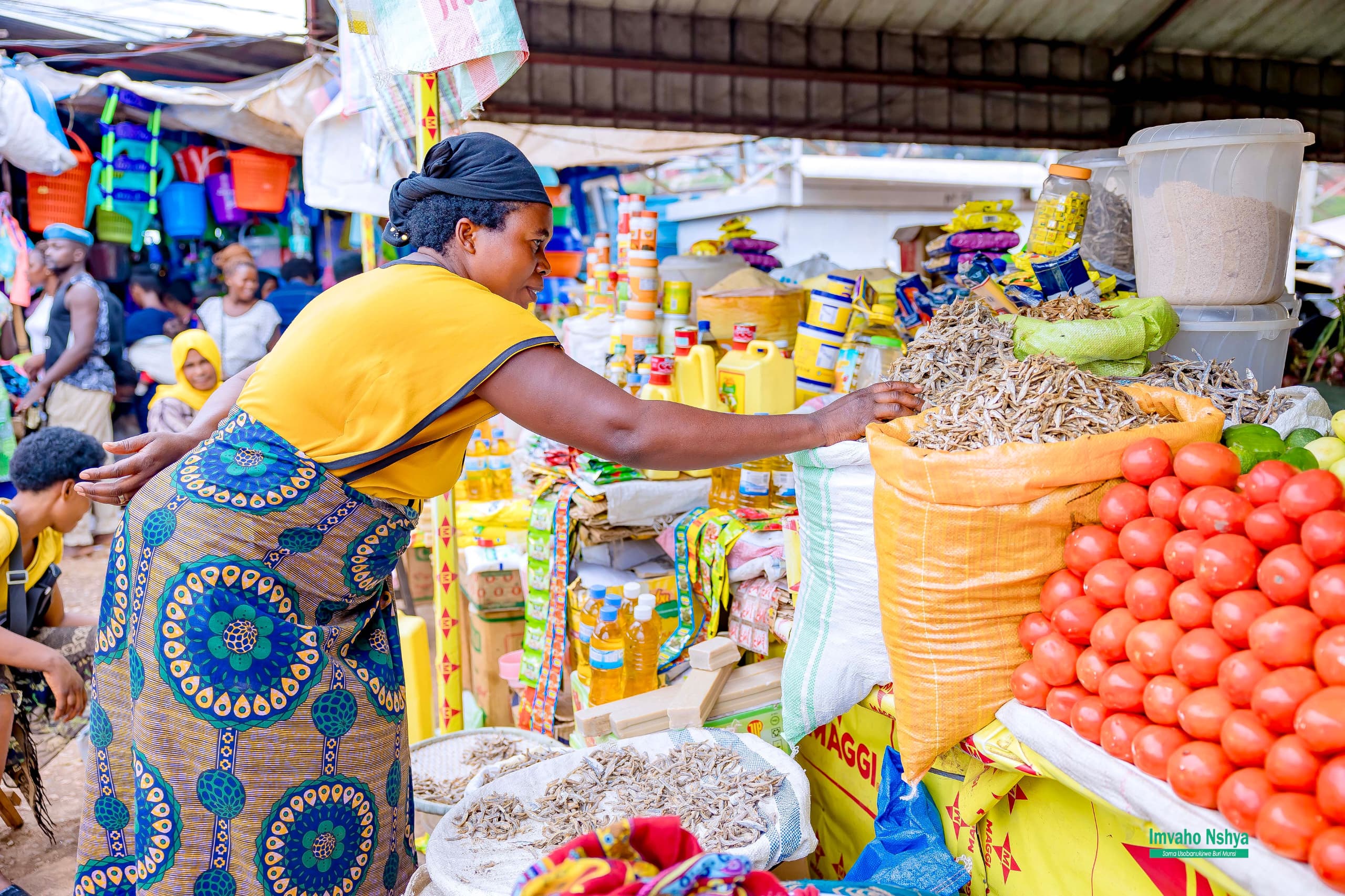
This could eventually affect the cost of staple foods and imported goods sold across Rwandan markets, including rice, sugar, flour, beans, fruits, vegetables, and other essential commodities.
RURA confirmed that public transport tariffs will remain unchanged. Rates in Kigali will continue to be calculated at RWF 59.28 per kilometre, while provincial routes will remain at RWF 41.58 per kilometre.
Officials said government support for the transport sector is intended to ensure operators continue providing affordable services despite rising fuel costs.
Prime Minister Dr. Justin Nsengiyumva reiterated the government’s commitment to protecting citizens from excessive economic pressure caused by global fuel market volatility.
Speaking to journalists on June 6, he said authorities would continue monitoring market conditions and take decisions carefully to balance economic realities with citizens’ welfare.
He explained that the subsidy has significantly reduced the burden that would otherwise be placed on consumers and businesses.
The Prime Minister also highlighted investments in public transportation as part of a broader strategy to reduce dependence on private transport and lower household transport expenses.
According to him, daily bus usage in Kigali has already increased by 15 percent, a sign that public transport initiatives are gaining traction.
He cited the example of a passenger travelling between Nyabugogo and Musanze. Without government support, the fare would have reached RWF 4,281. Thanks to the subsidy, passengers currently pay RWF 3,821, with the government effectively covering RWF 460 per trip.
The surge in fuel prices is closely linked to ongoing geopolitical tensions in the Middle East. The conflict involving the United States, Israel, and Iran has disrupted global energy markets and contributed to the closure of the Strait of Hormuz, a strategic shipping route through which roughly 20 percent of the world’s oil supply passes every day.
As supply concerns intensified, crude oil prices climbed sharply on international markets. On June 5, a barrel of crude was trading between $94 and $95, adding pressure on fuel-importing nations such as Rwanda.
While government subsidies have protected public transport fares for now, analysts believe continued volatility in global oil markets could translate into broader inflationary pressures if fuel prices remain elevated.
Rwanda’s government has pledged to keep monitoring international developments and adopt additional measures when necessary to safeguard economic stability and protect consumers from the ripple effects of rising energy costs.