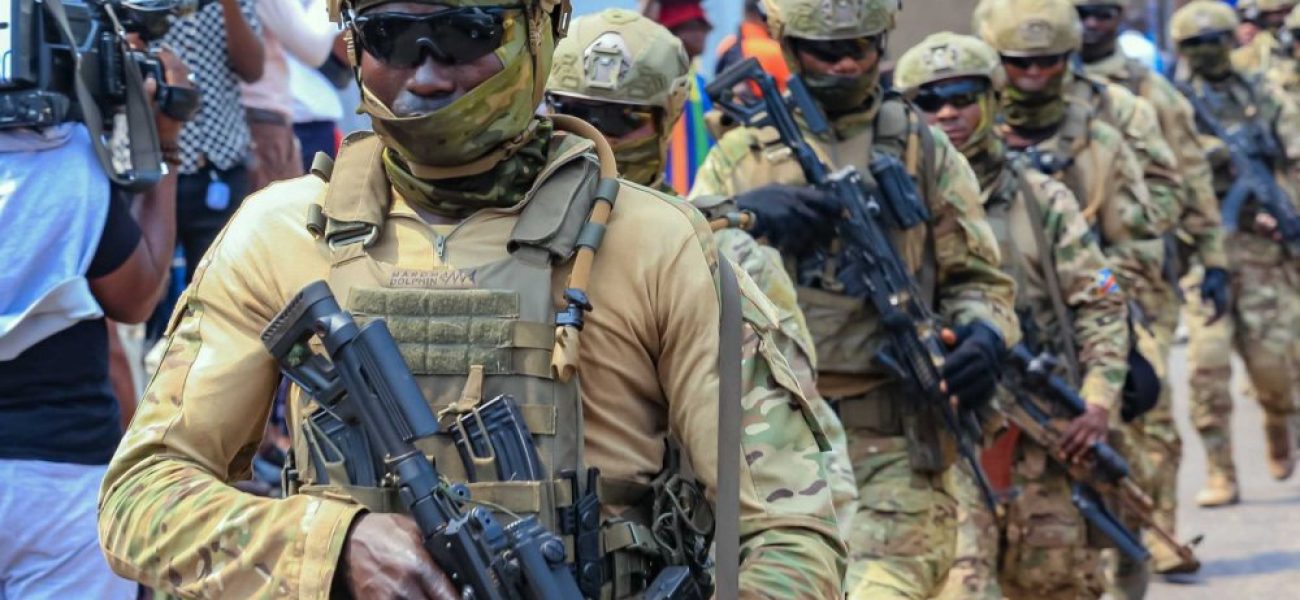
Security developments in the Great Lakes region are drawing renewed attention following reports that more than 600 members of the Democratic Republic of Congo’s elite FARDC unit known as “Hiboux” have been deployed to neighboring Burundi.
The reported deployment comes at a time of heightened military activity across eastern Congo, where fighting involving AFC/M23 and Congolese government forces continues to reshape the security landscape of North and South Kivu.
According to reports circulating in regional media including BWIZA, the Hiboux unit consists of specially trained soldiers often associated with advanced military operations, including night missions, drone deployment and rapid-response combat assignments. Their arrival in Burundi has fueled speculation about expanding military cooperation between Kinshasa and Bujumbura.
Observers note that the development follows a series of military coordination efforts between the two governments. The reports emerged shortly after public discussions surrounding cooperation between Congolese and Burundian security institutions intensified, raising questions about the strategic objectives behind recent troop movements.
Communities living near the Rwanda-Burundi border have also reported increased military patrols and security activity. Areas close to Busoni, Butanyerera, Cibitoke and the Kibira forest have attracted particular attention as security forces reportedly strengthen monitoring operations.
Analysts suggest that the positioning of elite troops near sensitive border zones could reflect broader efforts to secure strategic corridors amid ongoing conflict in eastern Congo. Others argue that the moves may be linked to concerns over changing battlefield dynamics involving AFC/M23 advances in parts of the region.
At the same time, allegations continue to circulate regarding possible cooperation between actors in Kinshasa, Bujumbura and armed groups hostile to Rwanda. Among the names frequently mentioned in these claims are Jean Luc Habyarimana, son of former Rwandan President Juvénal Habyarimana, and exiled former Rwandan military figure Kayumba Nyamwasa.
Supporters of these allegations claim that discussions have taken place among various political and military actors seeking to build a broader alliance opposed to the current government in Kigali. Some reports further suggest efforts to rebrand certain armed movements in an attempt to improve their international image. However, these claims remain disputed and have not been independently verified.
Meanwhile, AFC/M23 continues to play a significant role in eastern Congo’s evolving conflict. Recent military developments and clashes involving armed groups operating in the region have intensified debate about the future direction of security and stability across the Great Lakes region.
Regional experts warn that continued troop deployments, expanded military coordination and growing mistrust among neighboring states could further increase tensions if not addressed through diplomatic engagement.
They argue that dialogue, confidence-building measures and regional cooperation remain essential to preventing a wider security crisis.
While many of the allegations surrounding recent events remain contested, the reports underscore the fragile nature of security in the Great Lakes region, where military movements and political rivalries continue to attract close scrutiny from governments, analysts and local communities alike.