Kigali is on the verge of one of the most ambitious transport transformations in its history after Rwanda’s Cabinet approved a draft law ratifying a financing agreement that will unlock a $100 million contribution from the International Development Association (IDA) for a sweeping urban mobility project.
The funding will support the Rwanda Urban Mobility Improvement Project (RUMI), a large-scale initiative valued at $239.8 million and co-financed by the European Investment Bank (EIB), the European Union (EU), and the Government of Rwanda.
Designed to address the growing pressures facing the capital’s transport network, the project aims to reduce congestion, improve public transportation services, and expand access to jobs and essential services for residents across Kigali.
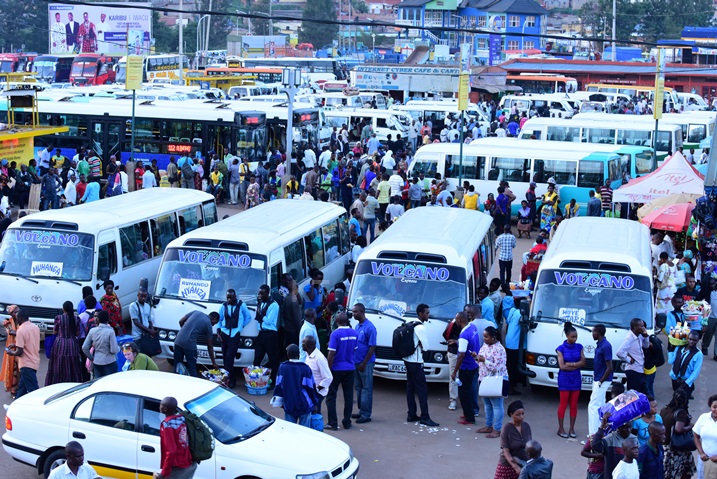
As Rwanda’s capital continues to grow rapidly, demand for transportation has increasingly outpaced existing infrastructure. Major transport nodes, particularly Nyabugogo, have struggled to cope with rising passenger volumes and vehicle traffic, creating congestion and reducing efficiency throughout the network.
Urban planners have also highlighted persistent challenges including inadequate pedestrian and cycling infrastructure, road safety concerns, and increasing air pollution linked to conventional transport systems.
Current estimates indicate that only about one-third of Kigali’s jobs can be reached within an hour using public transportation, illustrating significant mobility gaps that affect access to economic opportunities.
At the heart of the RUMI project is the modernization of the Nyabugogo Multimodal Transit Hub, one of the country’s most important transport gateways. The facility will be redesigned into a modern, climate-resilient transport center capable of serving urban, intercity, and international travelers more efficiently.
The upgraded hub will feature enhanced passenger facilities, commercial spaces, and integrated transport services aimed at improving passenger flow and reducing congestion while enabling smoother transfers between different modes of transportation.
Another major component of the project involves the construction of Dedicated Bus Lanes along key transport corridors in Kigali. These lanes will allow buses to bypass traffic congestion, significantly improving reliability and reducing travel times for commuters.
The initiative will also finance upgraded intersections, improved sidewalks, cycling infrastructure, and modern traffic management systems designed to optimize movement across the city.
Public transport services themselves are expected to undergo major reforms through the introduction of second-generation service contracts based on timetables and distance-related operational models. Authorities believe these measures will improve efficiency, accountability, and overall service quality.
To strengthen first-mile and last-mile connectivity, pedestrian walkways and cycling networks will be expanded in selected neighborhoods linked to major transport corridors.
The project also aligns with Rwanda’s broader commitment to sustainable development and climate resilience. Significant investments will be directed toward electric mobility, including the procurement of electric buses, the construction of charging infrastructure, and the development of supporting operational facilities.
These measures are expected to reduce greenhouse gas emissions, improve urban air quality, and accelerate the country’s transition toward cleaner transportation systems.
Beyond physical infrastructure, RUMI will focus on strengthening institutional capacity within the City of Kigali, the Ministry of Infrastructure, and other transport agencies. Plans include the establishment of a dedicated urban mobility center and specialized training programs to improve planning, management, and long-term transport development.
Government officials expect the project to generate substantial economic and social benefits. Improved accessibility is anticipated to connect more residents to employment opportunities, stimulate business activity around Nyabugogo, and create jobs in construction, transport services, and urban development.
The social impact is expected to be equally significant. Better transport networks will improve access to schools, healthcare facilities, and public services while enhancing road safety, particularly for pedestrians and cyclists. The reforms are also expected to create greater opportunities for women and vulnerable groups within the transport sector.
From an environmental perspective, the project is designed to encourage greater use of public transport, walking, and cycling while incorporating infrastructure capable of withstanding climate-related challenges such as flooding and extreme weather events.
With Cabinet approval secured, the draft ratification law will now be submitted to Parliament for consideration. Once parliamentary approval and financing conditions are completed, implementation of the project is expected to begin officially.
Preparatory activities, including feasibility studies, engineering designs, and safeguard assessments, have already been completed, positioning Kigali for the rollout of a transformative urban mobility agenda that could reshape the city’s transport future for decades to come.