A major diplomatic breakthrough between the United States and Iran has sparked optimism across global markets after both nations agreed on a framework aimed at ending more than three months of conflict that had disrupted international trade and energy supplies.
The announcement was first made by Pakistan’s Prime Minister Shehbaz Sharif, whose government played a key mediating role between Washington and Tehran. Hours later, US President Donald Trump publicly confirmed the agreement, describing it as a significant step toward restoring stability in the Middle East.
Speaking on the night of June 14, 2026, Sharif revealed that intensive negotiations had resulted in a draft accord committing both sides to a permanent cessation of military operations.
According to the Pakistani leader, the agreement also includes an immediate halt to hostilities in Lebanon, one of the most sensitive issues discussed during the talks. A formal signing ceremony is expected to take place in Switzerland on June 19.
President Trump later reinforced the announcement through a statement on Truth Social, declaring that negotiations with Iran’s Islamic government had successfully concluded.
The most consequential element of the deal involves the reopening of the Strait of Hormuz, one of the world’s most strategic energy corridors. The waterway carries a significant share of global oil and natural gas shipments and had become a focal point of the conflict after Iran restricted access in recent months.
Trump confirmed that the strait would reopen and that US naval restrictions linked to the crisis would be lifted, allowing commercial shipping to resume normal operations.
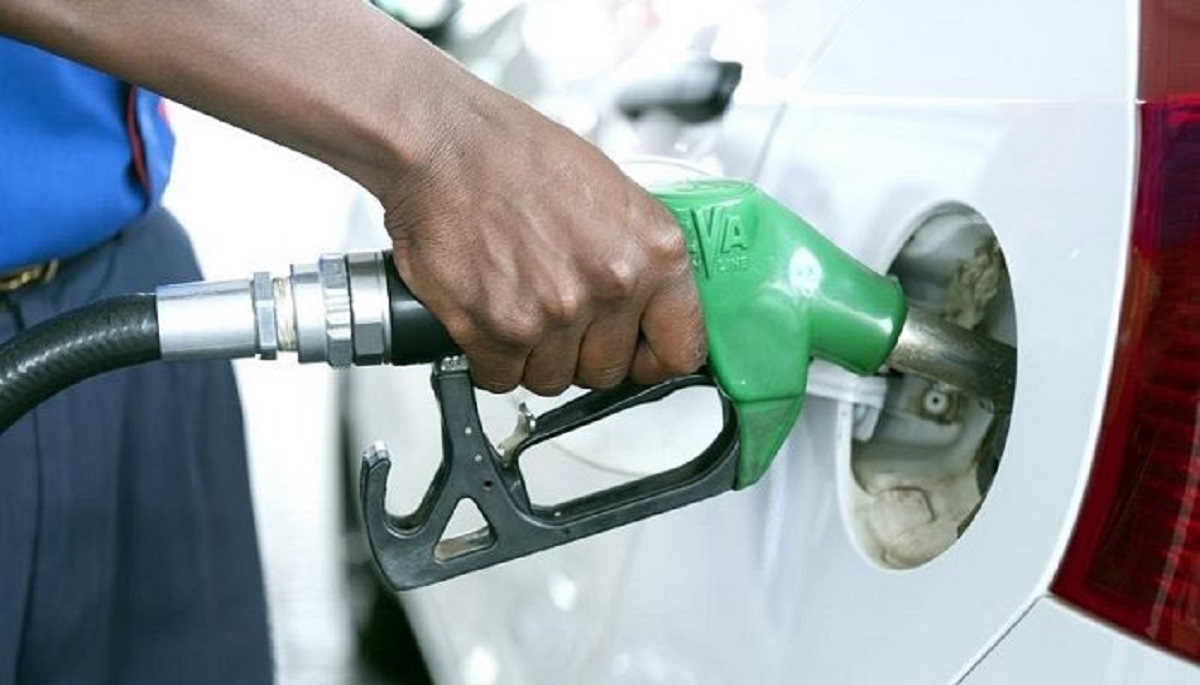
Financial markets reacted immediately. Global oil prices fell by approximately four percent following the announcement, reflecting investor confidence that energy supplies would stabilize and trade routes would remain open.
Despite the breakthrough, several contentious issues remain unresolved. Among them is Iran’s nuclear program, which negotiators have agreed to address during a 60-day ceasefire period. Discussions are also expected to focus on the possible easing of sanctions imposed on Tehran.
Iranian Deputy Foreign Minister Kazem Gharibabadi indicated that future negotiations would tackle these broader strategic concerns while preserving the momentum generated by the ceasefire.
Lebanon remains another critical challenge. Fighting involving Israel and Hezbollah had continued despite repeated international calls for restraint. Negotiators reportedly devoted considerable attention to ensuring that any ceasefire arrangement would extend beyond the US-Iran conflict itself.
Sharif praised both governments for choosing diplomacy over continued warfare and acknowledged the contributions of regional partners, particularly Qatar, Saudi Arabia, and Türkiye, whose diplomatic efforts helped bring the parties closer to an agreement.
The conflict traces back to February 28, 2026, when military strikes carried out by the United States and Israel targeted Iran. The escalation triggered a swift Iranian response, including restrictions on the Strait of Hormuz, through which nearly one-fifth of the world’s oil supply passes.
The resulting disruption sent energy markets into turmoil. Oil prices surged dramatically, at one point reaching around $130 per barrel, creating economic pressure for both developed and developing nations dependent on imported energy.
Governments around the world have welcomed the ceasefire framework. Countries including Qatar and the United Kingdom described the agreement as an important opportunity to reduce regional tensions and prevent further economic shocks.
The formal signing ceremony in Geneva is expected to draw international attention, with US Vice President JD Vance scheduled to represent Washington.
While difficult negotiations still lie ahead, the ceasefire framework and the reopening of the Strait of Hormuz have already transformed market sentiment, offering renewed hope for regional stability, smoother energy flows, and a more predictable global economic outlook.