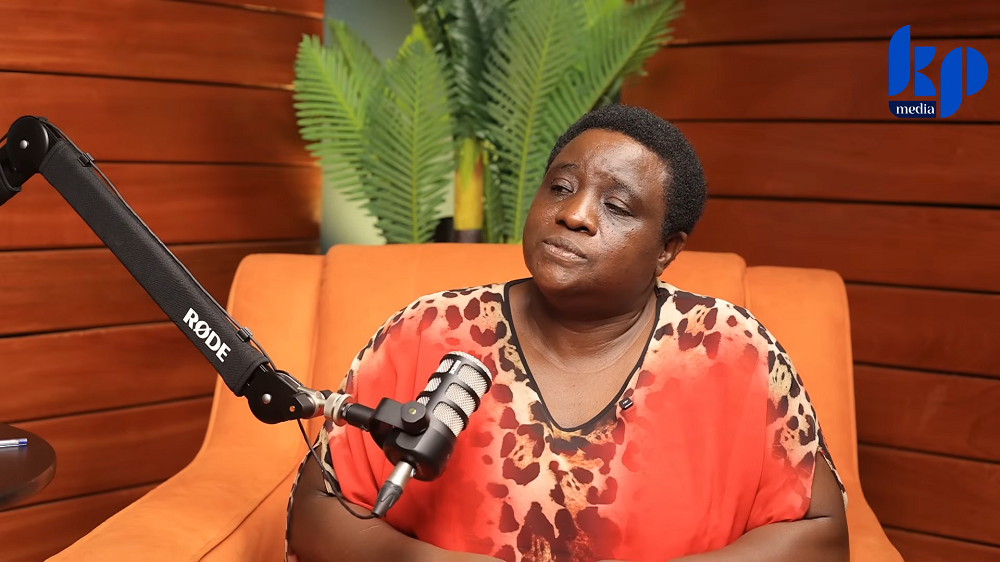
Few post-genocide stories illustrate personal courage and determination as vividly as that of Anne Marie Musabyemungu. At a time when thousands of former combatants remained hidden in the forests of the Democratic Republic of Congo, she undertook a mission many considered impossible: convincing her husband and later one of FDLR’s most senior commanders to return home.
Like millions of Rwandans who fled to what was then Zaire after the 1994 genocide against the Tutsi, Musabyemungu spent years in refugee camps near Rwanda’s border. When the camps were dismantled in 1996 and refugees were encouraged to return, she chose to go back and help rebuild her country.
Many former soldiers of the defeated army and militia members, however, remained in Congo. Over time, they reorganized and eventually formed the FDLR, maintaining hopes of returning to power through armed struggle.
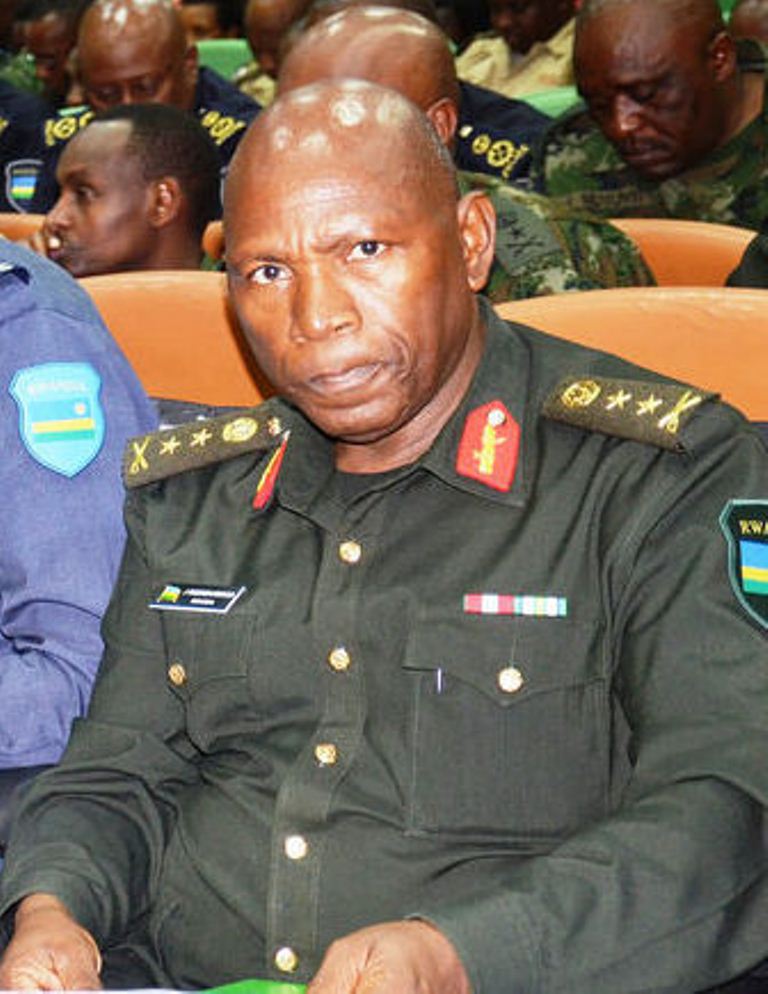
Among them was Jérôme Ngendahimana, Musabyemungu’s husband, who rose through the organization’s ranks and served in senior leadership positions.
In 2001, after learning that thousands of captured insurgents had been brought to Mudende in western Rwanda, Musabyemungu began engaging former fighters and encouraging them to reintegrate into society. Her efforts attracted the attention of senior military officials, including James Kabarebe, then Chief of Defence Staff.
Convinced that she could reach those still in the forests, Musabyemungu received support to undertake a highly risky journey into eastern Congo.
The mission was anything but easy. After traveling through Bukavu and trekking deep into forest territory, she entered FDLR-controlled areas where suspicion was widespread. Some members reportedly wanted her killed, believing she might be a spy.
According to her account, Paul Rwarakabije, then the movement’s commander, repeatedly intervened to prevent any harm from coming to her.
Eventually, after days of travel, she reached her husband. In a private conversation, she urged him to abandon armed struggle and return to Rwanda, assuring him that he would be received peacefully.
Although initially skeptical, Ngendahimana agreed after a period of prayer and reflection. The couple made the difficult journey back and arrived safely in Kigali in October 2003.
Their successful return paved the way for an even more ambitious mission.
Soon afterward, Musabyemungu returned to Congo, this time to persuade Rwarakabije himself. Despite the dangers, she traveled back into the forests and convinced him to leave alongside more than 120 fighters, including a dozen officers.
Their arrival in Rwanda in November 2003 marked one of the most significant defections from FDLR at the time. The departure reportedly weakened the organization’s structure and reduced its operational capacity.
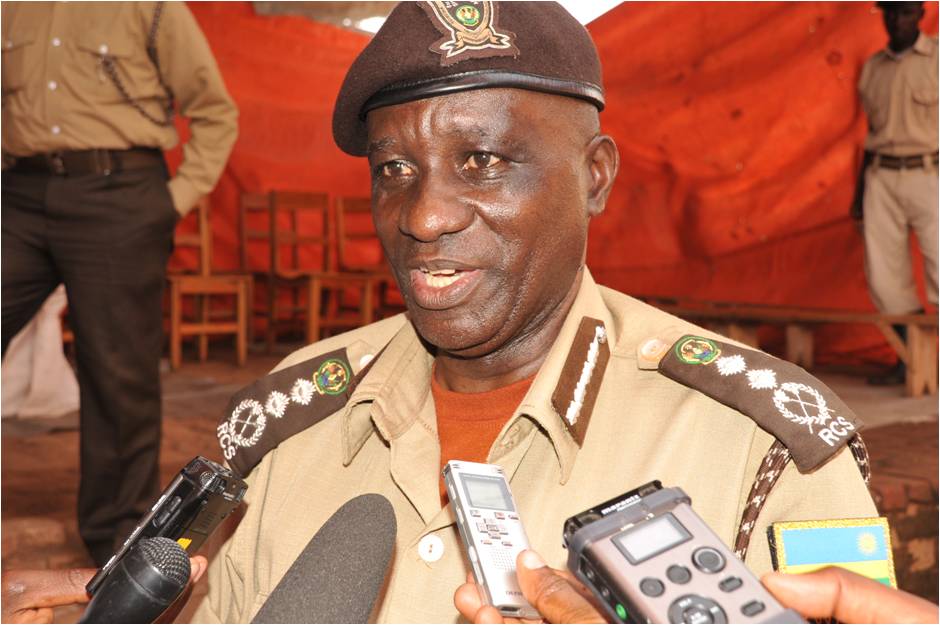
Both men later joined Rwanda’s national institutions. Rwarakabije eventually attained the rank of Major General and later headed the Rwanda Correctional Service, while Ngendahimana also rose to the rank of Major General before retirement.
Musabyemungu continued her own path of public service and education, earning advanced academic qualifications and serving as a Member of Parliament between 2008 and 2013.
Her story remains a powerful example of how individual determination, dialogue, and courage can influence the course of history and contribute to peace-building in the aftermath of conflict.