General Muhoozi Kainerugaba has increasingly emerged as one of the most influential figures in the restoration of relations between Rwanda and Uganda after years of diplomatic tensions, mistrust, and the closure of the Gatuna border.
Although more than four years have passed since the two neighboring countries normalized ties, fresh details continue to surface about the behind-the-scenes efforts that helped prevent the crisis from escalating further.
Among the people with direct knowledge of the events is Dr Adonia Ayebare, Uganda’s Ambassador to the United Nations and a former special envoy of President Yoweri Kaguta Museveni to Kigali during the height of the tensions.
Speaking on The Long Form Podcast alongside journalist Sanny Ntayombya, Dr Ayebare reflected on the troubled history between Kigali and Kampala and revealed how Gen Muhoozi eventually became central to the reconciliation process.
According to Dr Ayebare, part of the crisis stemmed from the failure by some influential Ugandan officials to fully recognize Rwanda as an independent state capable of making sovereign decisions.
He explained that the 2019 border closure forced many people in Uganda to realize that Rwanda could independently take decisions, even unpopular ones, in defense of its national interests.
Ayebare admitted that the diplomatic channels between the two countries had nearly collapsed because some actors attempted to solve state matters informally instead of relying on structured diplomatic mechanisms.
He also noted that the deep historical and family ties between Rwandans and Ugandans made the tensions emotionally heavier than ordinary disputes between unrelated nations.
At one point, he said, the situation became so dangerous that the possibility of direct military confrontation could no longer be ignored.
Ayebare disclosed that there were nights when he struggled to sleep, fearing the two countries could slide into irreversible conflict that would have devastated ordinary citizens and reversed decades of progress.
Despite the escalating tensions, he maintained that neither President Paul Kagame nor President Museveni wanted war. Instead, he blamed part of the mistrust on intelligence reports and miscommunication that intensified suspicion on both sides.
With conventional diplomacy failing, Gen Muhoozi’s involvement became a turning point.
Ayebare described the current Ugandan military chief as someone who understood not only the strategic value of Rwanda-Uganda relations, but also the shared history, cross-border movement of people, and regional interests connecting both nations.
He added that Muhoozi’s position as Uganda’s military commander, his status as President Museveni’s son, and his personal relationship with President Kagame gave him unique leverage to reopen dialogue.
According to Ayebare, Muhoozi moved quickly after engaging directly with Kagame, leading to a dramatic breakthrough in relations within a short period.
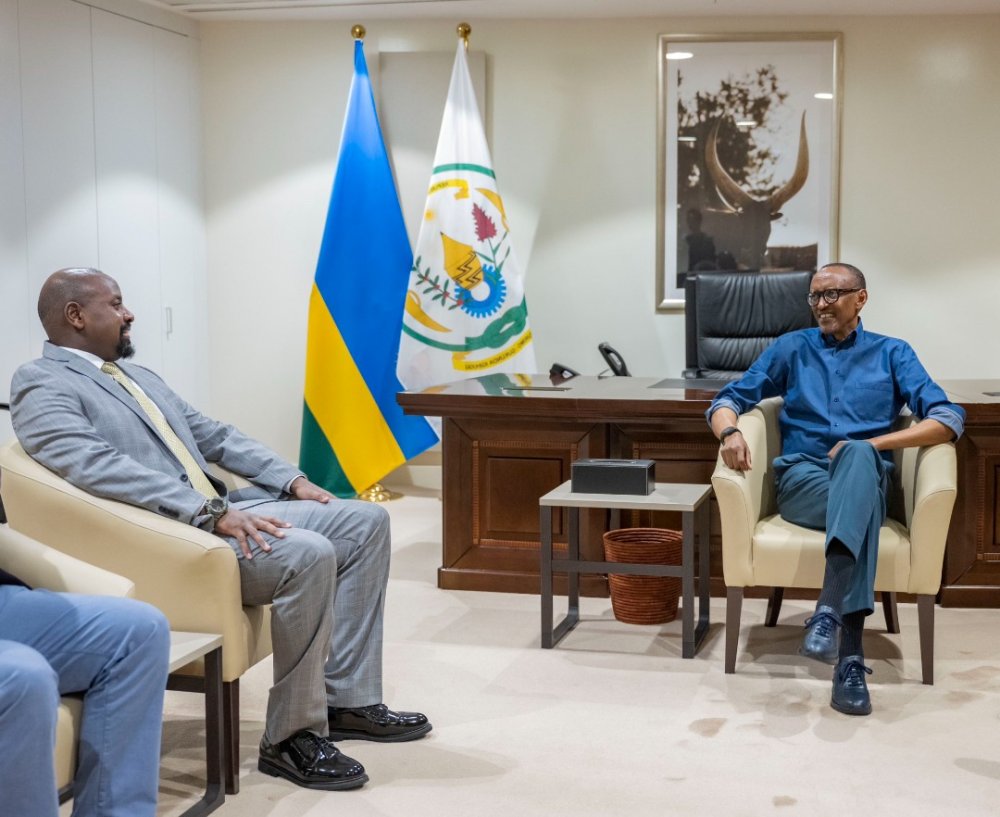
Muhoozi’s visit to Kigali on January 22, 2022 eventually paved the way for the reopening of the Gatuna border and the gradual restoration of diplomatic trust.
Ayebare also revealed that security concerns surrounded Muhoozi’s trip to Kigali. Some officials reportedly worried about his safety amid the tense political climate at the time.
However, he said Muhoozi himself never appeared concerned because both sides viewed him as a credible mediator capable of rebuilding confidence.
Ayebare further explained that Kagame had known Muhoozi since childhood, something that strengthened trust between the two leaders during the negotiations.
He said Muhoozi had long been uncomfortable with the deteriorating relationship between the two countries and eventually decided to personally push for reconciliation.
Today, many political observers continue to view Muhoozi’s Kigali visit as one of the defining moments that helped Rwanda and Uganda step back from the brink and rebuild a relationship that had reached one of its lowest points in recent history.