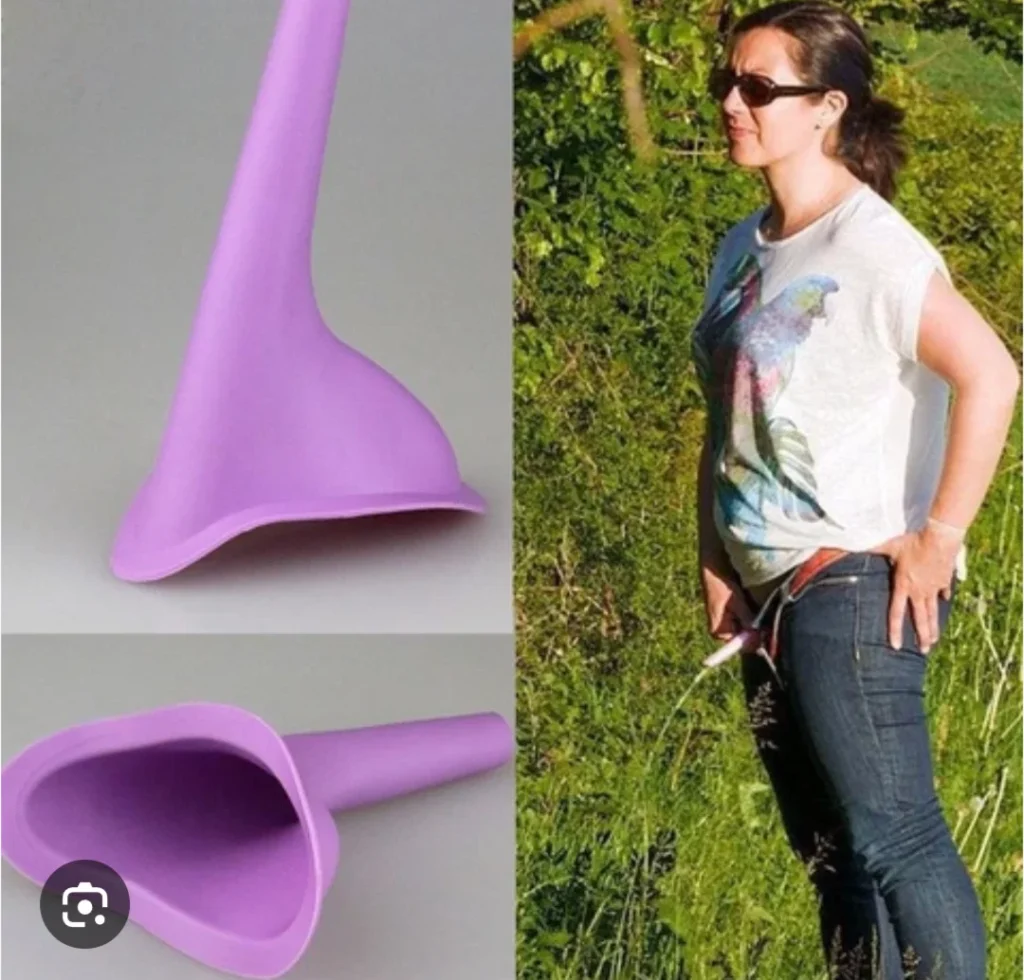

As more people travel, hike, camp, and spend time in places where clean restrooms are difficult to find, a small medical-grade silicone device known as GoGirl has become an increasingly popular solution for many women. Designed specifically for female anatomy, it allows women to urinate while standing, reducing the need to sit on public toilet seats that may not be hygienic.
The product has gained attention among travelers, outdoor enthusiasts, and frequent flyers who often face limited access to clean restroom facilities. Many users describe it as a practical tool that offers convenience in situations where traditional toilets are unavailable or unsanitary.
Writer Alison Freer recalled that she originally received the device as a humorous gift from a colleague in the film industry. What started as a joke eventually became something she considered essential for her travels.
She explained, “I kept carrying it everywhere and used it in dirty public restrooms, while traveling, on airplanes, and in many situations where finding a clean bathroom wasn’t easy.”
To use GoGirl correctly, it must be positioned carefully against the body to create a secure seal that directs the urine flow without leaking. Manufacturers recommend practicing at home before using it in public so first-time users can become comfortable with the technique.
After each use, the device should be rinsed with water, dried or wiped clean, and stored safely. It can also be washed with soap after repeated use to maintain proper hygiene.
Despite its growing popularity, the device has generated significant public discussion across different countries. Much of the debate revolves around cultural traditions, gender equality, hygiene, and practicality.
In many traditional societies, particularly in parts of Africa and other conservative communities, some people view women urinating while standing as inconsistent with long-established cultural norms. Critics argue that the device encourages women to imitate men rather than embrace traditional expectations.
Supporters, however, see the discussion differently. They argue that the real issue is equal access to public sanitation facilities. Men often have faster access to urinals, while women frequently face long restroom lines. For many advocates of gender equality, devices like GoGirl provide women with greater flexibility and independence in public spaces.
Hygiene has also become a major point of discussion. Some critics worry that if the device is not cleaned properly after use, it could retain urine residue and become a source of bacteria when stored in a handbag or backpack.
Another commonly mentioned concern is leakage. New users sometimes struggle to position the device correctly, making practice an important step before relying on it during travel.
Health professionals generally agree that while devices such as GoGirl can be useful in specific situations, proper hygiene remains essential. Cleaning the device thoroughly and washing hands after use continue to be the most effective ways to reduce the risk of infections associated with restroom use.
Medical researchers have also highlighted the device’s potential benefits for women with mobility limitations, older adults, pregnant women, and individuals who find squatting or sitting difficult. Similar innovations, including the Pee-Gal device developed through research at Makerere University in Uganda, demonstrate growing interest in improving sanitation accessibility for women.
As outdoor recreation, adventure tourism, and long-distance travel continue to grow, GoGirl has become more than just a travel accessory. For many women it represents convenience and independence, while for others it raises important questions about culture, hygiene, and changing social expectations. The conversation surrounding the device shows that innovation in personal health products often extends far beyond technology itself.