Travel and commercial transport between Bukavu and Uvira in South Kivu have been severely disrupted after Congolese army forces imposed new movement restrictions along National Road No. 5 amid rising regional tensions and growing fears surrounding the Ebola outbreak.
Transport operators and local residents said the restrictions began on Friday, May 15, 2026, when military checkpoints were reinforced around Nganganiro in Luvungi, effectively preventing vehicles from continuing along the route.
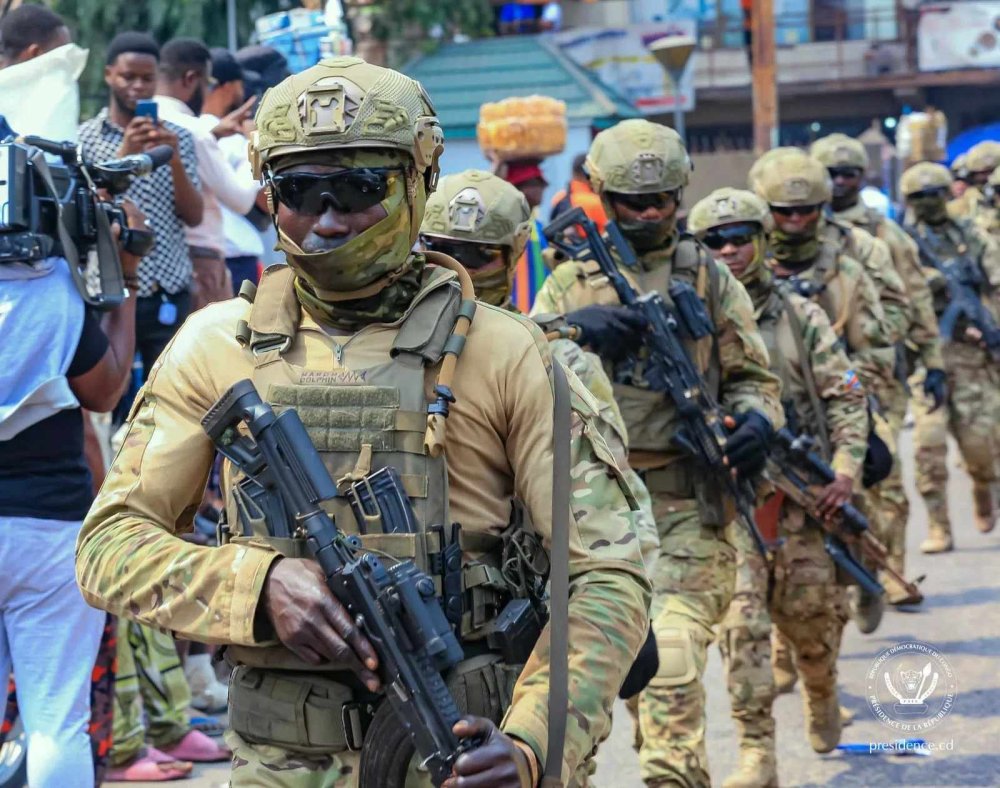
According to reports published by mediacongo.net, soldiers from the Armed Forces of the Democratic Republic of Congo (FARDC) stopped all vehicles arriving from territories associated with AFC/M23-controlled zones from entering areas administered by the Kinshasa government.
Drivers were reportedly ordered to return toward Kamanyola, while travelers moving from Uvira to Bukavu were also instructed to turn back.
Despite the transportation paralysis, residents of the Ruzizi Plain said the overall security situation remained relatively calm, although concern continues to grow over the economic impact of interrupted trade and restricted mobility.
The suspension of movement came only days after AFC/M23 fighters withdrew from Sange, Katogota, and Luberizi in the Ruzizi Plain, developments that have continued to reshape the security landscape in South Kivu.
The latest restrictions emerged at the same time regional authorities intensified health measures linked to the Ebola outbreak spreading through eastern DR Congo and Uganda.
Somo Kakule Evariste, North Kivu’s military governor, recently announced strict preventive measures intended to stop Ebola from spreading into his province.
He urged residents to increase hygiene practices and avoid physical contact with unfamiliar objects or unsafe food sources.
“Residents must avoid touching unknown objects, avoid eating food from uncontrolled locations, and increase hygiene practices by using soap, clean water, and approved sanitation products,” he stated.
He also encouraged the public to immediately report anyone showing symptoms associated with Ebola.
On the Rwandan side, authorities temporarily closed Petite Barrière, Grande Barrière, and the Kabuhanga border crossing linking Goma and Gisenyi.
Mulindwa Prosper said the closures were introduced to protect Rwanda from the rapidly evolving Ebola situation in DR Congo and Uganda.
“The border crossings connecting Goma and Gisenyi have been temporarily closed as part of efforts to respond to the Ebola outbreak,” he explained.
The closure has disrupted the activities of thousands of cross-border traders who depend on daily commerce between Rwanda and eastern Congo.
Uwizeyimana Afissa said traders arrived expecting to continue business as usual but instead found border operations suspended.
“We came to work expecting to send goods across the border but found it closed because of the Ebola outbreak in the neighboring country,” she said.
Another trader, Mukeshimana Emeritha, said business operators were ready to follow government directives but appealed for special solutions to protect perishable products from being destroyed.
Meanwhile, World Health Organization warned that the resurgence of Ebola in DR Congo and Uganda represents a serious international health concern.
WHO Director-General Tedros Adhanom Ghebreyesus called for stronger international cooperation and increased support to contain the outbreak, although he cautioned countries against relying exclusively on border closures. The overlapping security restrictions and public health concerns across eastern Congo and Rwanda are now creating growing uncertainty for residents, traders, and transport operators throughout the Great Lakes region.