For years, Aloys Ntakarutimana, widely known as Wakenya, was regarded as one of Burundi’s most influential businessmen and a figure with close ties to the country’s political establishment.
Today, he finds himself at the center of one of the most controversial legal cases in the region, a case that has sparked debate across Burundi and the wider Great Lakes region.
Wakenya was arrested on March 24, 2026, shortly after returning from Europe. Since then, he has been held at Mpimba Prison in Bujumbura, where his detention has raised questions about the real reasons behind the government’s actions.
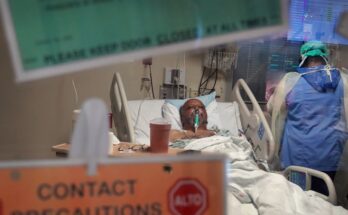
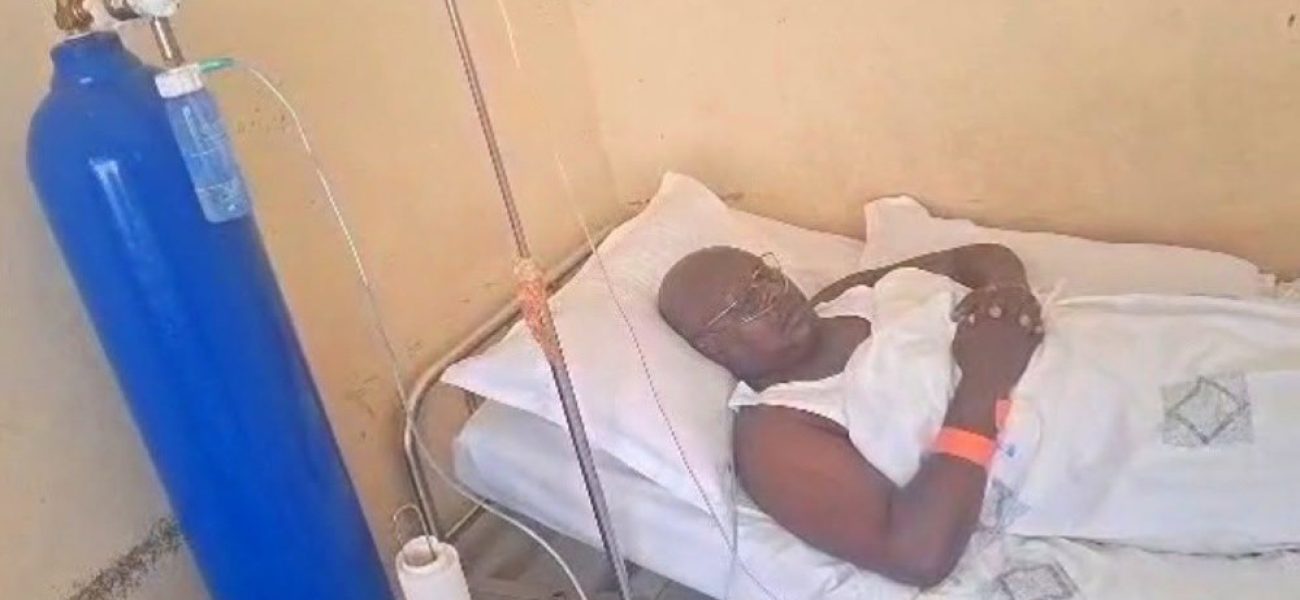
According to information released by the rights organization FOCODE, the businessman was recently transferred back to prison from Kamenge Military Hospital, where he had reportedly been receiving treatment for serious health complications. The organization claimed that security authorities ordered his return despite concerns expressed by medical personnel.
While his health condition has drawn attention, the bigger mystery revolves around the allegations that led to his arrest.
Sources close to the businessman say his troubles began after reports emerged linking him to investment activities in Bukavu, a major city in eastern Democratic Republic of Congo that came under AFC/M23 control in February 2025.
Reports have suggested that he may have invested in or acquired interests in a beverage production facility in Bukavu. Other allegations claim that he maintained contacts with AFC/M23 officials and frequently traveled to Rwanda.
No publicly available court ruling or official evidence has yet been released to substantiate those accusations. Nevertheless, relatives and associates believe these claims form the foundation of the case against him.
A person close to Wakenya’s family told FOCODE that the accusations appear surprising considering the businessman’s long-standing relationship with senior figures in Burundi’s ruling circles, particularly President Evariste Ndayishimiye.
The source stated: “What is happening to Wakenya should serve as a lesson to many within CNDD-FDD. Wakenya used to call President Ndayishimiye ‘Grandfather,’ while the president called him ‘Grandson.’ Their relationship was extraordinary.”
“Yet today they say he holds a Rwandan passport, traveled to Rwanda and worked with M23 commander Makenga. Wakenya could not have done anything without authorization from Burundi’s top leadership.”
The remarks have fueled speculation that the case may involve deeper political and security considerations than publicly acknowledged.
Family associates also claim that authorities have intensified investigations into Wakenya’s assets and business empire, raising fears that some of his properties could eventually be seized.
The same source added: “His assets are being targeted, and there are efforts to strip him of what he spent years building. What is really happening? It seems there are many things being hidden from the public.”
Further reports indicate that the case was removed from ordinary judicial channels and transferred to higher-level legal authorities. Relatives argue that this move was intended to keep sensitive information from becoming public.
Some observers believe Wakenya may possess important knowledge regarding the relationship between Burundian investors and economic activities that took place in areas of eastern Congo once administered by AFC/M23.
Those suspicions have contributed to growing interest in the case, with analysts questioning whether it reflects broader regional tensions involving business networks, security concerns and cross-border political dynamics.
Reports have also suggested that his arrest may have been requested by Congolese President Félix Antoine Tshisekedi, although neither Burundian nor Congolese authorities have publicly verified such claims.
As of now, the Burundian government has not released detailed information about the charges facing the businessman. Meanwhile, his family continues to call for due process, transparency and adequate medical care.
With instability in eastern Congo continuing to shape regional politics, Wakenya’s case has become more than a legal dispute. It now stands as a symbol of the complex intersection between power, commerce and security in the Great Lakes region.