
Rwanda’s Revenue Authority (RRA) has ordered fuel traders and owners to remove nearly two million liters of petroleum products that have remained in bonded warehouses for more than six months, warning that failure to comply could lead to seizure and public auction.
According to an official notice issued by the tax authority, owners of the affected fuel stocks have been given 30 days to declare, clear, and pay the necessary taxes before releasing the products onto the market.
The move affects a total of 1,993,750 liters of petroleum products, including diesel, gasoline, and kerosene, currently stored in several facilities across the country. The listed storage sites include Yussa’s depot in Kabuye, Rubis Energy’s facility in Gatsata, and Oilcom’s storage center in Jabana.
Diesel accounts for the largest share of the stockpile, totaling approximately 1.35 million liters. Gasoline represents 641,055 liters, while kerosene makes up 5,065 liters.
One of the striking details in the published inventory is that ownership information is missing for 791,832 liters of the fuel, raising questions about the status and traceability of a significant portion of the stored products.
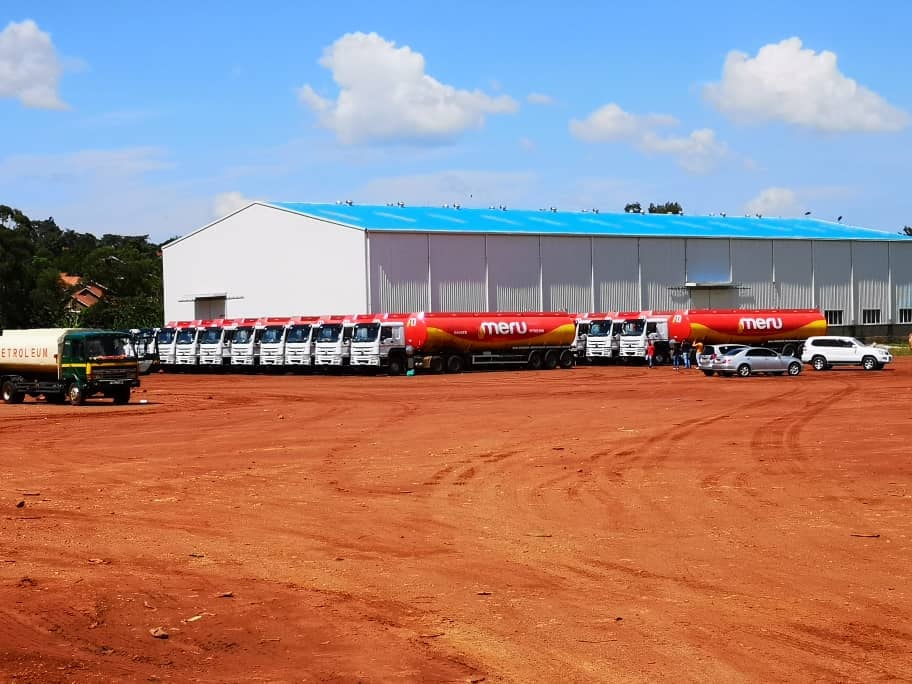
Among the identified companies, Mount Meru Petroleum holds the largest volume with 368,998 liters. It is followed by Kivu Energy Ltd with 120,361 liters and Socit Sarl with 65,404 liters.
Other companies listed among the major holders include Ukod Oil Rwanda Ltd with 29,121 liters, Hashi Energy with 27,132 liters, China Road with 24,845 liters, Gulf Energy with 18,398 liters, Hunan Road with 16,163 liters, and Job Petroleum with 15,232 liters.
RRA stated that the fuel has exceeded the legally permitted storage period in bonded warehouses and must therefore be released into the market or subjected to the procedures established under customs regulations.
Bonded warehouses are generally used to store imported goods before taxes and duties are paid or before authorization is granted for the products to enter the domestic market.
A source familiar with Rwanda’s petroleum storage system explained that fuel often remains in storage when small companies cease operations, leaving products behind without completing the clearance process.
The source said, “Often, the fuel left in storage belongs to smaller companies that are no longer operating. The warehouse itself has no authority to place the fuel on the market because it does not own the product. In such cases, government authorization is required before it can be removed.”
The published inventory also shows that some of the fuel belongs to private individuals rather than companies. The smallest recorded quantity in storage is just three liters.
The government’s directive is expected to improve inventory management in customs warehouses, strengthen compliance with tax regulations, and ensure that petroleum products that have remained idle for extended periods are either released into the economy or processed according to the law.