
Growing fears over the spread of Ebola in eastern Democratic Republic of Congo and neighboring Uganda have pushed regional governments to tighten emergency health measures, including the temporary closure of key border crossings linking the affected countries.
Uganda announced the closure of Ishasha Border Post and Kyeshero Border Post, both connecting the country to DR Congo, after health authorities raised alarms over the escalating Ebola outbreak in eastern Congo.
Kanungu District Commissioner Ambrose Amanyire Mwesigye said the move was intended to reduce the risk of cross-border transmission through human movement and trade activities.
“This decision is aimed at reducing the risk of Ebola transmission through population movement and cross-border trade,” he said.
He added that security and health agencies had intensified surveillance along official borders and illegal crossing routes.
“Security and health teams have increased monitoring at border points and unauthorized routes, while also tracking interactions among communities in potentially affected areas,” Mwesigye explained.
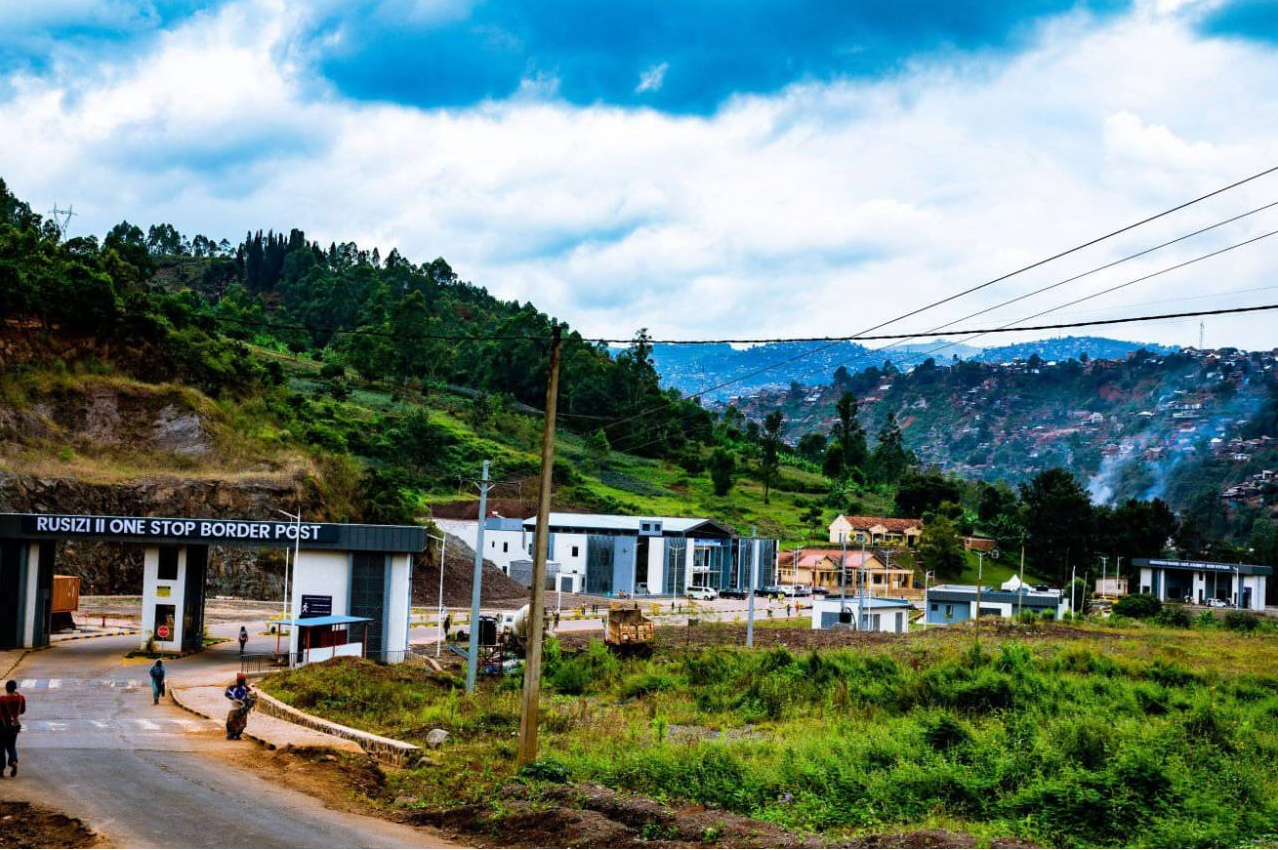
Rwanda has also stepped up preventive measures along its frontier with DR Congo. Authorities confirmed that two border crossings in Rusizi District were temporarily shut down as part of efforts to contain the outbreak.
The development came shortly after Rwanda suspended operations at border posts in Rubavu District on May 17, 2026.
Rwanda’s Ministry of Health said it was closely monitoring the Ebola situation in both DR Congo and Uganda, while emphasizing that no Ebola case had been detected inside Rwanda.
“No Ebola patient has been identified in Rwanda. As a preventive measure, Rwanda has reinforced screening and vigilance at the DR Congo border,” the ministry said in a statement issued on May 17, 2026.
The ministry added that emergency response teams remained on high alert to ensure any suspected infection would be detected early and treated immediately.
World Health Organization Director-General Tedros Adhanom Ghebreyesus warned that the outbreak had become a major international concern after cases surged in both DR Congo and Uganda.
According to WHO, more than 300 people have already been infected while 88 deaths have been recorded.
Health concerns intensified further after a new Ebola patient was identified in the eastern Congolese city of Goma on May 17.
The case was confirmed by Jean Jacques Muyembe, head of DR Congo’s biomedical research institute, who revealed that the patient was the wife of a man who recently died from Ebola in Bunia.
Since 1976, DR Congo has experienced at least 16 Ebola outbreaks involving different strains, including the Zaire, Sudan, and Bundibugyo variants.
WHO estimates that Ebola kills around 50 percent of infected patients on average, although fatality rates can vary significantly depending on the speed of detection and access to medical care.
Jean Kaseya, Director-General of Africa CDC, recently warned that the Bundibugyo strain remains especially dangerous because there is currently no specific vaccine or treatment approved for it.
Meanwhile, the United States has begun expressing concern over Americans who may have been exposed to the virus while in DR Congo.
During a May 17 press briefing, CDC Ebola response official Satish K. Pillai avoided directly confirming reports that American citizens may have contracted the disease.
Asked whether Americans were being evacuated for monitoring and treatment, Pillai said:
“CDC and its offices in the country are working closely with international partners and the embassy to monitor every situation and assess all needs. This is a rapidly evolving situation, and for now we will continue following developments closely.”
When reporters pressed for more clarity, he responded:
“We do not discuss private medical information about individuals. If the U.S. government has additional information to share, we will continue providing updates.”
Earlier, the CDC confirmed it was helping partners “relocate a small number of Americans directly affected by the outbreak.”
According to reports from The Washington Post, some of the Americans involved were members of a nonprofit organization operating in Ituri Province.
STAT News later reported that one American had already shown Ebola-like symptoms, prompting urgent discussions about evacuating affected individuals from DR Congo for medical observation.
Sources familiar with the matter said U.S. officials were considering transferring some of them to a secure military medical facility in Germany for further monitoring.
The first known patient infected with the current Bundibugyo strain reportedly died in April 2026, although confirmation came weeks later after the virus had already spread into Uganda.
DR Congo’s Ministry of Health says at least 88 people have died so far as regional authorities continue intensifying containment efforts across the Great Lakes region.
Tubibutse ko mushobora gukomeza kudukurikirana ku mbuga nkoranyambaga.
Kanda hano udukurikirane kuri Facebook, Hano udukurikirane kuri WhatsApp