The United States has stepped up its diplomatic pressure on armed actors operating in eastern Democratic Republic of Congo by imposing sanctions on two senior intelligence figures linked to rival armed movements active in the region.
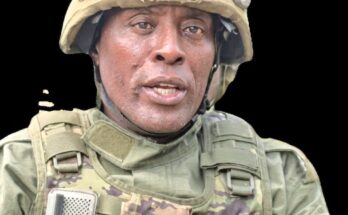
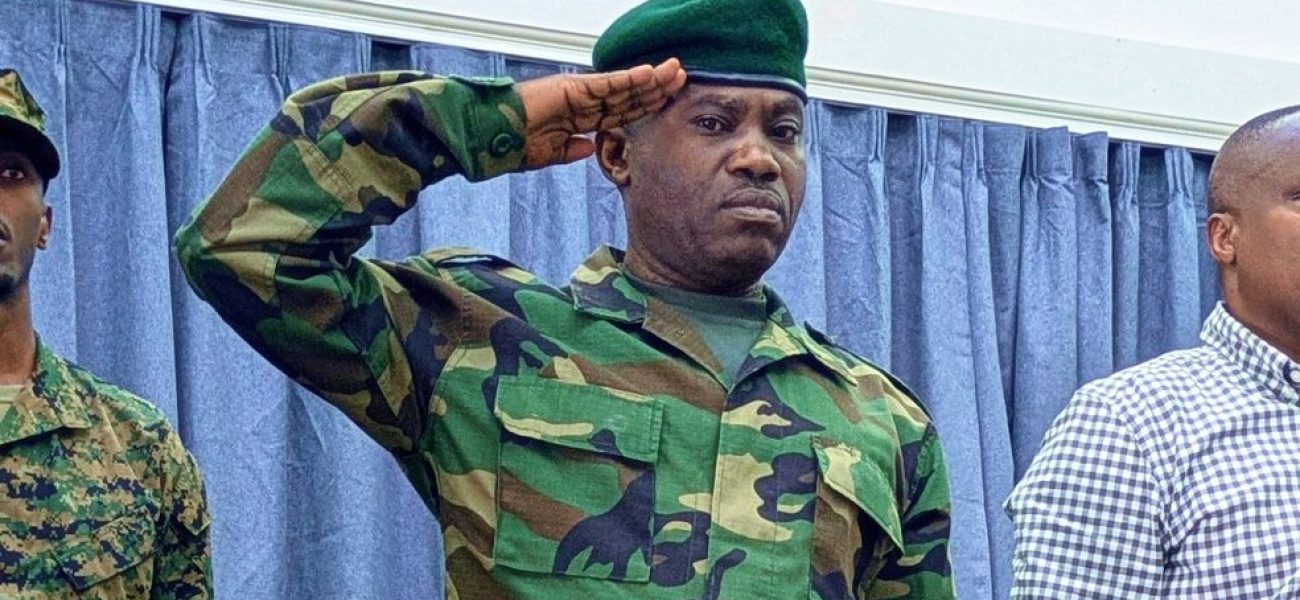
In a decision announced on Tuesday, Washington sanctioned Colonel John Imani Nzenze, the military intelligence chief and senior operations official within the AFC/M23 coalition, as well as Gustave Kubwayo, widely known as Colonel Sirkoof, who serves as the intelligence chief and commander of the FDLR’s elite combat unit known as CRAP.
The sanctions were unveiled by the U.S. Department of the Treasury’s Office of Foreign Assets Control (OFAC), which said both men play significant roles in organizations that continue to fuel insecurity and instability in eastern Congo.
According to U.S. officials, the measures form part of a broader strategy aimed at supporting ongoing peace efforts and reducing violence in a conflict that has devastated communities across the region for decades.
U.S. Treasury Secretary Scott Bessent said President Donald Trump’s administration remains committed to helping resolve the long-running conflict in eastern Congo and promoting regional stability.
“Armed groups that continue to perpetrate violence are worsening the humanitarian crisis and undermining U.S. interests in the region. These sanctions are intended to support peace and stop the bloodshed,” Bessent stated.
He added that the sanctions are aligned with broader efforts by the Trump administration to encourage peaceful solutions and create conditions for long-term development and security across the Great Lakes region.
Washington described Colonel John Imani Nzenze as one of AFC/M23’s most influential figures and a close associate of the movement’s military commander, General Sultani Makenga. U.S. authorities argue that Nzenze has played a key role in military operations that enabled the group to expand its influence across parts of North and South Kivu.
The United States also noted that Makenga himself remains under both U.S. and United Nations sanctions.
In its statement, Washington recalled that AFC/M23 captured the major eastern cities of Goma and Bukavu in early 2025, developments that drew international concern over civilian protection and regional stability.
Regarding Gustave Kubwayo, known as Colonel Sirkoof, U.S. authorities identified him as a leading figure within the FDLR, an armed group long accused of serious human rights abuses and attacks against civilians.
Sirkoof assumed his current position after the death of Protogène Ruvugayimikore, better known as Colonel Ruhinda Gaby, who was killed in fighting in Masisi Territory in December 2023.
According to the U.S. government, Sirkoof not only commands the FDLR’s elite combat wing but also previously oversaw fighters operating in Nyiragongo Territory beginning in 2022 before the group suffered setbacks following military pressure from AFC/M23 forces.
American officials argue that the FDLR remains one of the most destabilizing armed groups in the Great Lakes region due to its continued involvement in violence targeting civilian populations.
The group has been accused of killings, sexual violence, kidnappings, recruitment of child soldiers, and attacks directed at civilians based on ethnic identity.
Washington further alleged that the FDLR finances its activities through looting, illegal taxation, ransom payments from kidnappings, and exploitation of natural resources, including logging operations in Virunga National Park.
The United States also recalled that it first sanctioned the FDLR on January 3, 2013, citing grave violations of international law, including attacks on children during armed conflict, civilian killings, rape, forced displacement, and abductions.
American officials stated that despite previous commitments by the Congolese government to dismantle the group, the FDLR continues to operate and maintain links with other armed organizations active in eastern Congo.
The latest sanctions announcement also renewed Washington’s call for all parties involved in the conflict to respect the peace agreement signed in Washington on December 4, 2025.
The United States said it expects the Congolese government to continue efforts to dismantle the FDLR and affiliated groups. At the same time, Rwanda was urged to withdraw its troops and military equipment from Congolese territory and end any support that international actors allege is being provided to M23.
Under the sanctions, all assets belonging to Nzenze and Sirkoof that fall under U.S. jurisdiction are blocked. American individuals and companies are also prohibited from engaging in financial transactions or business dealings with either man.
Washington emphasized that the purpose of the sanctions is not merely punitive. U.S. officials say the broader objective is to influence behavior, encourage compliance with peace initiatives, and strengthen prospects for lasting stability in the Great Lakes region.
As diplomatic efforts continue and regional actors seek pathways toward de-escalation, the latest sanctions signal that the United States intends to use economic and political pressure as part of its strategy to encourage dialogue and support the implementation of peace commitments in eastern Congo.