The recapture of Mikenke by Twirwaneho fighters and the AFC/M23 coalition has become one of the most significant military developments in the highlands of South Kivu in recent months. After spending nearly three months under the control of forces aligned with the Congolese government, the strategic area returned to the hands of Twirwaneho and AFC/M23 following intense clashes that erupted early on June 8.
According to reports from the battlefield, heavy weapons and military drones were deployed during the confrontation, underscoring the importance both sides attached to controlling the area. By the end of the fighting, government-allied forces, including elements of the Congolese army and Burundian troops, had withdrawn from Mikenke.
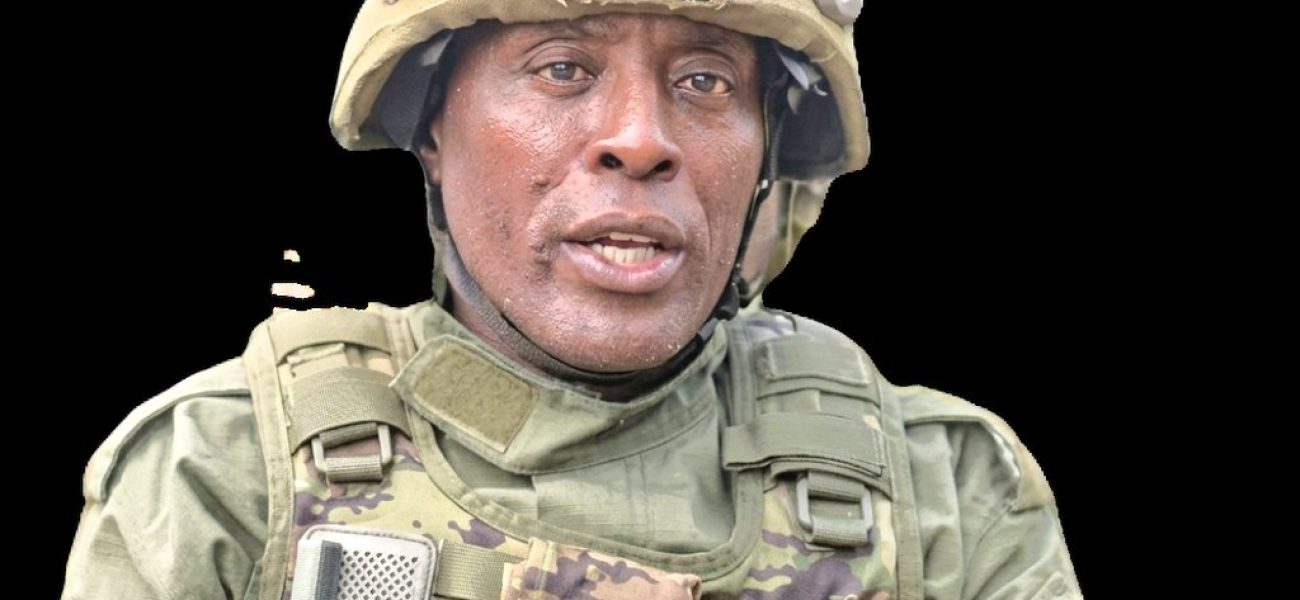
Colonel Rugabo Fidèle, one of the senior military figures associated with Twirwaneho, said the operation was launched after government-aligned forces initiated attacks against positions held by his movement around Mikenke.
He stated: “Government forces including the FARDC, Burundian forces, Wazalendo militias, FDLR, P5, the Hiboux (DRC special forces), the GR (Republican Guard), and all their allies launched attacks on our forces on the outskirts of Mikenke. As you know, we did not control Mikenke-Centre, but they continue to block the way so that the enemy does not advance toward the civilian population.”
According to Rugabo, the offensive included drone operations and coordinated ground attacks aimed at expanding government control toward Kalingi and Gahwera. In response, Twirwaneho commanders authorized a counteroffensive designed to reverse the situation.
He credited Brigadier General Charles Sematama, who oversees Twirwaneho military operations in the highlands, with directing the response that eventually led to the capture of Mikenke.
One of the key elements of the operation, Rugabo explained, was attacking from multiple directions simultaneously. Instead of concentrating forces along a single front, units advanced from Rurunda, Dohoko, Kalingi, and Etavi, creating pressure from every side and disrupting enemy coordination.
Describing the operation, he said: “As we speak, let us inform people that ‘Mikenke has fallen (been captured)’. It became necessary for our forces to shoot at him (the enemy); most of them came from the direction of Rurunda, others moved up through Dohoko, others up through Kalingi, and others went up through Etavi, shooting at him from all sides and splitting him into two parts.”
The multi-directional assault reportedly divided opposing forces and reduced their ability to organize an effective defense. Rugabo claimed that some fighters retreated toward Gipupu while others fled toward the area known as Antenne before dispersing further into Rwitsankuku, Mikarati, and nearby forests.
Following the operation, Rugabo posted a message on X describing the outcome of the battle.
He wrote: “The governments of Kinshasa and Gitega attacked our positions in Mikenke, Mwenga Territory, Itombwe Sector. Our forces immediately retaliated, and the MRDP and M23 liberated the entirety of Mikenke Center.”
The latest developments come after months during which Mikenke and surrounding communities experienced recurring clashes and drone strikes. Twirwaneho has repeatedly alleged that civilian casualties occurred during those operations, claims that have fueled growing concern among residents of the region.
Military observers note that Mikenke occupies an important position within the broader highland zone of South Kivu. Control of the area can influence movement routes and operational access across several surrounding localities, making it strategically valuable for all parties involved in the conflict.
For Twirwaneho leaders, the recapture of Mikenke is being presented as part of a broader effort to protect local communities and prevent further attacks in areas under their influence. Rugabo emphasized that his forces would continue to resist what they describe as threats against civilians.
He concluded with a warning: “A time will come when they will miss Minembwe, but not with a longing for the land. It is a longing for blood so that they may find those to kill, but they will never see that again.”
As attention remains focused on South Kivu, many residents and observers are watching closely to see whether the capture of Mikenke will alter the military balance in the region or trigger a new phase of confrontation in the highlands.