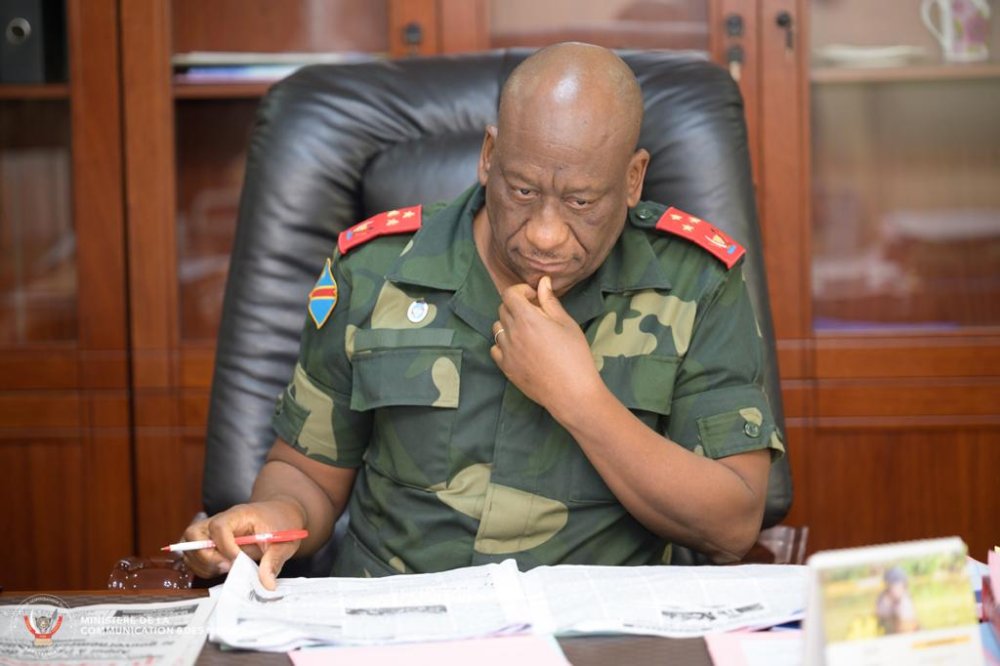
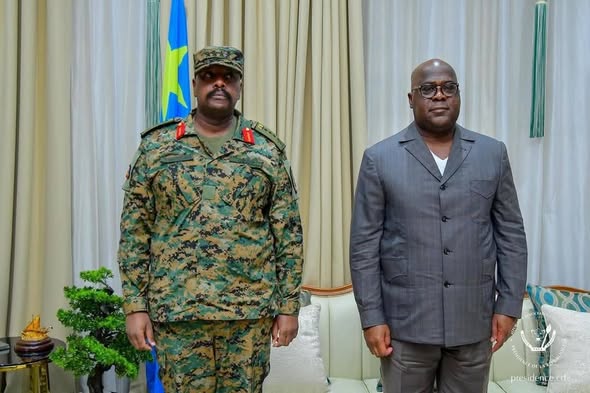
A major political and military shift has taken place in eastern Democratic Republic of Congo after President Félix Antoine Tshisekedi dismissed Lt. Gen. Johnny Luboya Nkashama from his position as military governor of Ituri Province, ending a five-year tenure marked by conflict, controversy, and mounting humanitarian challenges.
The decision was announced on June 5, 2026, through the state broadcaster RTNC. Lt. Gen. Luboya was immediately replaced by Major General Kasongo Mulumba Batoka Gaby, who now takes charge of one of the country’s most troubled provinces.
Although Congolese authorities did not provide a detailed explanation for the change, government officials indicated that the decision followed recommendations presented to the High Military Council, which concluded that Ituri urgently required new leadership.
Luboya’s departure comes after months of public criticism from Uganda’s Chief of Defence Forces, Gen. Muhoozi Kainerugaba, son of President Yoweri Museveni. Through a series of messages posted on social media, Muhoozi repeatedly demanded Luboya’s removal, accusing him of obstructing joint military operations against the Allied Democratic Forces (ADF) and failing to address persistent insecurity in Ituri.
In one of his most widely discussed statements, Muhoozi declared: “I want only three things in the DRC. First, stop killing my people, the Hema and the Tutsi. Second, remove the toxic Governor of Ituri, Luboya.”
In another message, he wrote: “I request three things from the DRC: (a) to stop killing my people, the Hema-Tutsi, [b] to remove the very bad Governor of Ituri, Luboya, (c) to pay us back for our Embassy that you burned down.”
Those remarks fueled debate across the Great Lakes region, with some observers viewing them as an unusual form of military and diplomatic pressure directed at Kinshasa.
Luboya had been appointed governor in May 2021 when Tshisekedi placed both Ituri and North Kivu under a state of siege, replacing civilian authorities with military administrators in an effort to contain armed groups that had destabilized the region for years.
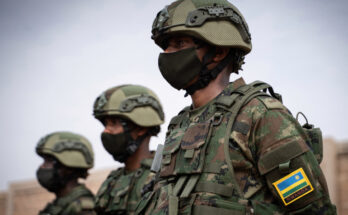
At the time, many hoped the emergency measures would restore security. However, violence persisted, and new tensions emerged after Uganda deployed troops to Ituri in November 2021 to support Congolese forces in operations against the ADF.
Relations between Luboya and some Ugandan officials became increasingly strained. Muhoozi frequently accused him of undermining anti-ADF operations and linked him to broader security failures affecting communities in the province.
Meanwhile, armed groups continued to expand their activities. The CRP movement led by Thomas Lubanga intensified operations across parts of Ituri, challenging government forces and seizing territory before losing control of some areas during counteroffensives.
Luboya repeatedly alleged that CRP maintained links with the AFC/M23 coalition, a claim that remained disputed by several analysts and political observers.
As fighting escalated, the governor publicly highlighted the difficult conditions facing Congolese soldiers and urged the government to improve their welfare.
In June 2025, he stated: “Right now, our soldiers are fighting CRP; the group of Thomas Lubanga that works with M23. Our soldiers are dying, but if a soldier faces the enemy and knows that widows are not paid, why would he sacrifice himself? He will say, ‘The day I die, my children will also die.’ This completely demoralizes the soldiers.”
His comments reflected growing frustration within the security establishment over limited resources and support for frontline troops.
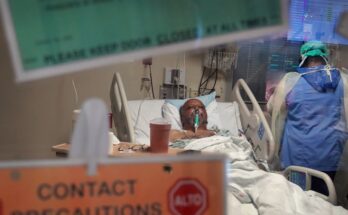
Security concerns, however, were only one part of Ituri’s crisis. The province has also been battling a severe Ebola outbreak that has alarmed health officials and local communities.
By June 4, 2026, health authorities had confirmed 381 Ebola infections and 68 deaths, with the hardest-hit areas including Mongbwalu, Rwampara, and Bunia.
Critics argue that delays in identifying and responding to the outbreak allowed the disease to spread widely before stronger containment measures were introduced.
As a result, Luboya’s administration increasingly faced criticism not only over security failures but also over its handling of the growing public health emergency.
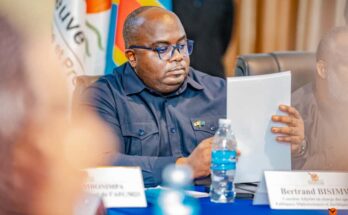
The arrival of Major General Kasongo Mulumba Batoka Gaby marks the beginning of a new chapter for Ituri. Yet the challenges awaiting him remain immense: armed conflict, population displacement, fragile security conditions, and an Ebola outbreak that continues to claim lives.
For many residents of Ituri, the leadership transition will be judged not by political symbolism but by whether it delivers tangible improvements in security, governance, and public health in one of the Democratic Republic of Congo’s most volatile regions.