
Rwanda has pushed back against growing international focus on comments made by U.S. Secretary of State Marco Rubio regarding the possible withdrawal of Rwandan troops from eastern Democratic Republic of the Congo, arguing that attention should remain fixed on the full implementation of the Washington Peace Agreement rather than on one side of the deal.
Rubio, speaking before the U.S. House Foreign Affairs Committee, said Washington had begun to see encouraging signs of compliance from Rwanda under the peace framework signed by Kigali and Kinshasa in December 2025.
“As for the DRC and Rwanda, they signed a peace agreement. Unfortunately, it is not being well respected. We had to impose some sanctions,” Rubio told lawmakers.
He further stated: “On the Rwandan side, we are starting to observe a certain respect for the agreement. Things are moving forward—not fast enough, certainly, but we hope that the withdrawal of Rwandan troops from the region will take effect by mid-next month. Of course, the M23 issue still remains to be resolved.”
Now, Rwanda issued a detailed response welcoming U.S. engagement in the peace process while stressing that the agreement imposes obligations on both countries, not just Kigali.
According to the Rwandan government, the Washington Agreement remains the most credible framework for addressing the root causes of instability that have plagued eastern Congo for decades. However, officials argued that implementation cannot be selective.
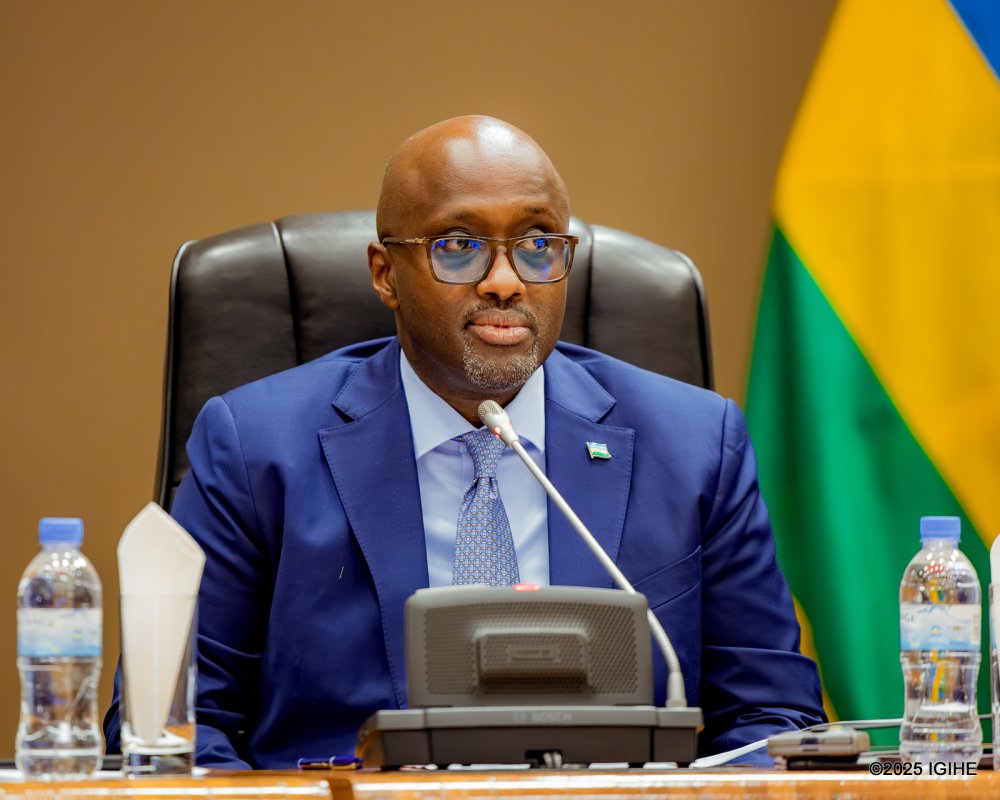
“But it is important to remind that the contents of the Washington agreement concern both Rwanda and the DRC, and require each side to respect them. The agreement cannot be implemented by only one party, nor can the obligations of one side differ from the obligations of the other side,” Minister Olivier Nduhungirehe said.
Rwanda maintained that it is fulfilling its commitments while accusing the Congolese government of continuing cooperation with the FDLR, a group Kigali considers a major security threat.
“Rwanda is implementing its commitments contained in the agreement. This is while the DRC is involved in fighting, by supporting the FDLR group, a genocidist group that has operated on Congolese soil for over 30 years and still threatens the security of Rwanda.”
The statement also criticized what Rwanda described as continued drone attacks targeting civilian-populated areas, arguing that such actions undermine efforts to build confidence between the two countries.
Beyond security concerns, Kigali highlighted the broader economic vision embedded in the Washington framework. The agreement includes cooperation on dismantling armed groups, facilitating refugee returns and promoting regional economic integration.
Among the flagship projects is the Rusizi III hydropower dam, expected to generate 206 megawatts of electricity and provide power to hundreds of thousands of people once completed by 2030. The two countries also envision deeper collaboration in mineral processing, moving beyond raw extraction to value-added industries capable of generating greater economic benefits for local populations.
Another strategic component of the agreement focuses on the joint development of methane gas resources from Lake Kivu, which could significantly boost electricity production and regional energy security.
Rwanda’s response comes as Washington continues expanding sanctions against individuals accused of fueling instability in eastern Congo, including figures linked to M23, FDLR and other actors involved in the conflict.
While international attention remains focused on troop withdrawals and armed groups, Kigali insists that lasting peace will depend on balanced implementation of every provision contained in the Washington Agreement.
Rwandan officials argue that the accord offers a rare opportunity to transform relations between the two neighboring countries and unlock major economic opportunities across the Great Lakes region. However, they caution that such ambitions can only succeed if all parties fulfill their commitments equally and consistently.
As diplomatic efforts continue, the debate is increasingly shifting from what one side should do next to whether every stakeholder is prepared to honor the responsibilities they accepted when the agreement was signed in Washington.