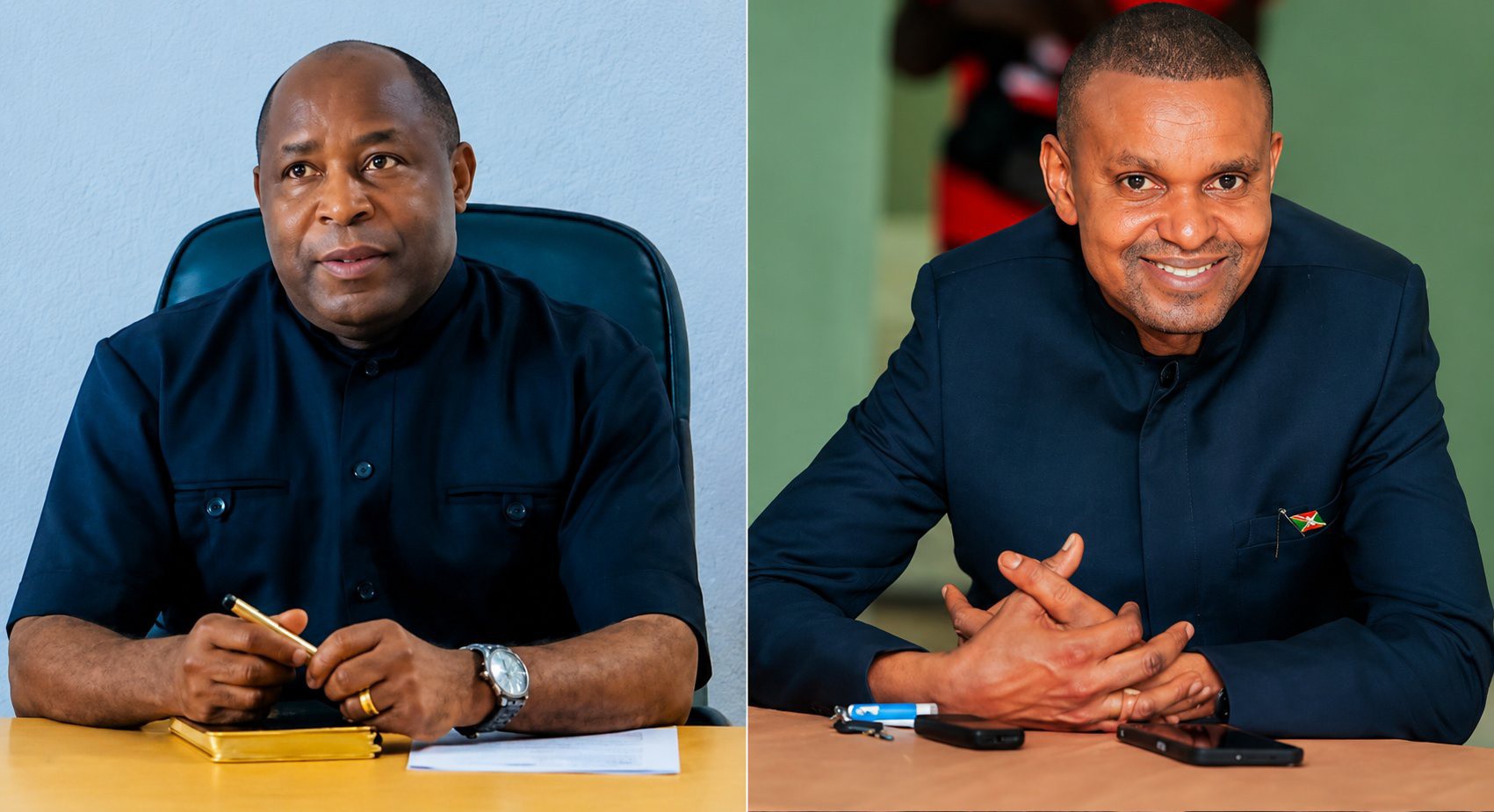
Political discussions surrounding Burundi’s 2027 presidential election are gaining momentum long before the official campaign season begins. The debate intensified after a report published by IKIRIHO newspaper claimed that a nationwide survey had identified Gabriel Banzawitonde, leader of the APDR party, as the politician most likely to challenge President Evariste Ndayishimiye in the next presidential contest.
According to the report, the survey gathered opinions from Burundians representing different regions and sectors of society. The findings reportedly suggested that Banzawitonde has emerged as a recognizable opposition figure ahead of the 2027 election cycle.
The publication also drew attention to perceived similarities between Ndayishimiye and Banzawitonde, describing both men as skilled communicators capable of connecting with ordinary citizens. It suggested that predicting the eventual winner at this stage would be difficult.
The story quickly generated reactions across social media platforms, particularly X, where many users questioned the credibility of the assessment. Some mocked the idea that Banzawitonde could become the main challenger to the incumbent president, pointing to the APDR party’s limited electoral record.
Historically, the party has struggled to gain significant support in national elections. Critics frequently highlight that it has never secured a meaningful share of the vote or established itself as a major electoral force.
Banzawitonde nevertheless attracted attention during the 2020 election cycle when observers questioned why his party appeared to campaign without organizing visible rallies. In response, he explained that APDR relied on what he called the “Cengetos” approach, a strategy focused on reaching people discreetly rather than through large public events.
While some observers dismissed the approach as unconventional, others argued that grassroots political networks often operate beyond public view and can influence voter behavior in unexpected ways.
At the same time, opposition groups continue to raise concerns about the broader electoral environment. Many argue that there are still few signs of reforms that could strengthen confidence in the credibility and transparency of the 2027 election process.
Questions about former opposition leader Agathon Rwasa also remain unresolved. His name continues to surface in political debates, with supporters citing studies and analyses suggesting that he may have enjoyed stronger support in the 2020 election than the official results reflected.
Whether Rwasa will be allowed or able to participate in the next presidential race remains uncertain. His political future is likely to be one of the most closely watched developments as Burundi moves closer to 2027.
Political commentators increasingly describe the situation as a test of the country’s democratic institutions. Critics argue that elections cannot inspire public confidence if those overseeing the process are also perceived as controlling the competition itself.
As Burundi enters the early stages of another presidential cycle, the central question remains unanswered: Is Gabriel Banzawitonde truly emerging as President Ndayishimiye’s principal challenger, or will a different political figure reshape the race before voters head to the polls? The coming months may provide the first clues.