Political tensions are escalating across the Democratic Republic of Congo after prominent physician, politician, and Nobel Peace Prize laureate Dr. Denis Mukwege launched a fierce attack on President Félix Tshisekedi, accusing him of pursuing a political agenda that could undermine the country’s democratic foundations.
In a statement released on May 30, 2026, Mukwege expressed deep concern over ongoing discussions aimed at revising the Congolese Constitution, a move many observers believe could pave the way for Tshisekedi to remain in power beyond the limits currently established by law.
According to Mukwege, the timing of such constitutional discussions is alarming. He argued that the government should be focusing its energy on urgent national crises, including insecurity in eastern Congo and recurring Ebola outbreaks, rather than engaging in debates over extending presidential rule.
The Nobel laureate also criticized lawmakers who support the proposed constitutional changes, suggesting that some are motivated more by political and financial interests than by the welfare of the people they represent.
Particular attention was drawn to elected officials from conflict-affected regions such as Ituri, North Kivu, and South Kivu. Mukwege questioned why representatives from areas facing violence and humanitarian challenges would support a political project centered on extending presidential authority.
In one of the strongest passages of his statement, Mukwege declared: “The UDPS, once a role model for revolutionary change, has become the architect of a conspiracy driving our nation toward destruction.”
He went on to issue a direct appeal to President Tshisekedi, urging him to reject the influence of political allies encouraging constitutional reforms for personal gain.
Mukwege stated: “Mr. President, as the custodian of the proper functioning of the institutions of our beloved country, beware of those who flatter you for their own interests. Return to the right path before history judges you for an unforgivable betrayal.”
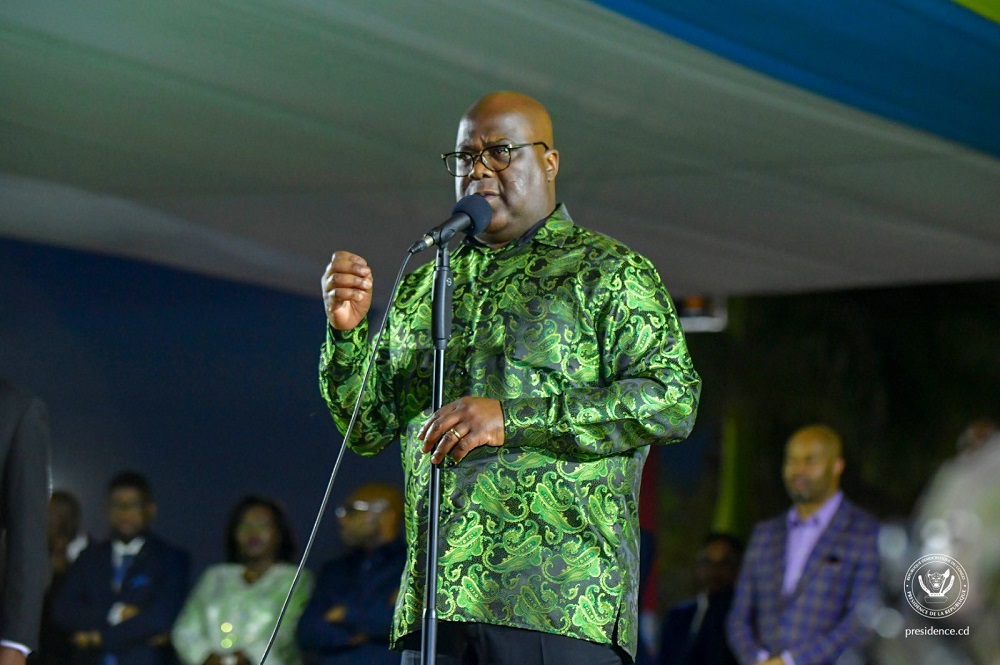
The controversy follows remarks made by President Tshisekedi earlier in May, when he acknowledged that constitutional reforms were being examined and suggested he would be willing to continue leading the country if the Congolese people requested it.
His comments fueled speculation that preparations may already be underway for a constitutional referendum that could alter the country’s political landscape before the next presidential election cycle. Tshisekedi also hinted that the 2027 presidential election timetable could be subject to change.
Soon afterward, lawmakers aligned with the ruling camp introduced a referendum proposal in parliament seeking constitutional amendments. Opposition members from Moïse Katumbi’s Ensemble party refused to participate in discussions surrounding the initiative.
Meanwhile, opposition leaders including Martin Fayulu and Delly Sesanga have intensified their criticism of the government, vowing to mobilize political and civic resistance against any effort they believe could weaken democratic safeguards.
As tensions continue to rise, opposition groups have announced a major protest scheduled for June 5, 2026, in Kinshasa. Parties such as ECIDé and Ensemble are expected to play a leading role in the demonstrations.
With the constitutional debate now dominating the national conversation, many Congolese citizens and international observers are closely watching developments. The decisions made in the coming weeks could shape not only Tshisekedi’s political future but also the future trajectory of democracy in the Democratic Republic of Congo.