
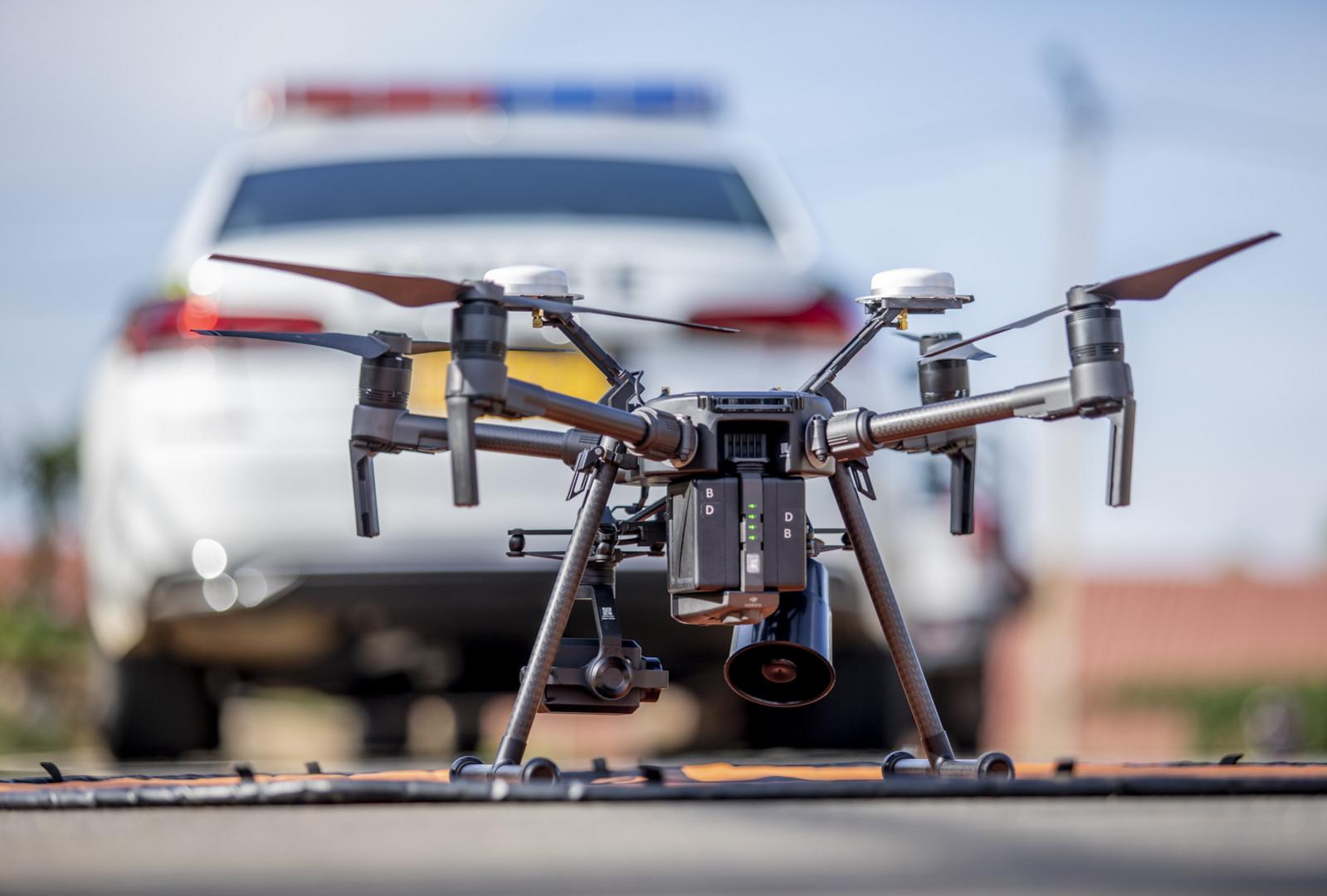
Advanced drone technology is increasingly becoming a key weapon in Rwanda’s fight against crime, after a major police operation in Kayonza District led to the arrest of 73 people accused of illegal mining and producing illicit alcohol.
The three-day operation, conducted from Sunday to Tuesday, targeted the sectors of Rwinkwavu, Nyamirama and Rukara, areas that authorities say have frequently experienced insecurity linked to illegal mining activities and the production of banned alcoholic drinks.
Among those arrested were 30 illegal miners, locally known as “Imparata.” Police said 18 suspects were captured in Rwinkwavu Sector while another 12 were arrested in Rukara Sector. Authorities warned that illegal mining continues to expose many people to deadly accidents, including collapsing pits and tunnels.
Police also arrested 43 people accused of brewing and selling Kanyanga, a prohibited homemade spirit widely associated with criminal activity and health risks. Thirty-five suspects were arrested in Nyamirama Sector, while eight others were apprehended in Rwinkwavu.
During the crackdown, officers seized 43 liters of Kanyanga and destroyed 3,600 liters of another banned alcoholic drink known as Magwingi.
The spokesperson of Rwanda National Police in the Eastern Province, SSP Twizeyimana Hamdun, said the use of drone technology has significantly improved crime detection and prevention.
“We are urging citizens involved in producing substandard alcoholic drinks to stop because it is a crime punishable by law. These drinks are listed by the Ministry of Health among harmful narcotic substances and they seriously affect people’s health,” he said.
He added that illegal mining has continued to cause tragic deaths because many miners operate without safety standards or legal authorization.
“There are many cases where people are buried alive in collapsed mines because they are operating illegally,” he explained.
According to police, illegal miners are also accused of destroying forests, banana plantations and other crops while damaging the environment in search of minerals.
As drone surveillance intensified, several residents voluntarily surrendered equipment used in brewing Kanyanga and asked authorities for forgiveness. So far, three people have publicly committed to abandoning the trade.
One resident, Hakizimana Patrick, said he decided to hand over his equipment after his wife was arrested in connection with illicit alcohol production.
“They told us that continuing to produce Kanyanga is like betraying the country, and I do not want to continue betraying my nation,” he said.
Another resident, Ukwidukunda Rachel from Mashinge Village in Nyamirama Sector, admitted she initially entered the business seeking financial survival but later realized the devastating impact it could have on her family.
“I was searching for survival in the wrong place. I succeeded the first time and continued, but now I have decided to stop because I do not want my children to become orphans while they are still young,” she said.
Residents in affected communities welcomed the operation, saying illegal mining and alcohol abuse had fueled insecurity and violence.
Uwiragiye Manasseh, a resident of Rutuga Village in Rukara Sector, praised the use of drones in identifying illegal miners, arguing that many young people involved in such activities often return to communities and contribute to rising insecurity.
Kayonza District’s Acting Mayor, Hategekimana Fred, said local authorities have repeatedly conducted awareness campaigns against drug abuse and illegal mining but stressed that stronger community cooperation is still needed.
He urged residents to engage in lawful economic activities capable of improving their livelihoods instead of risking imprisonment, injury or death through illegal operations.