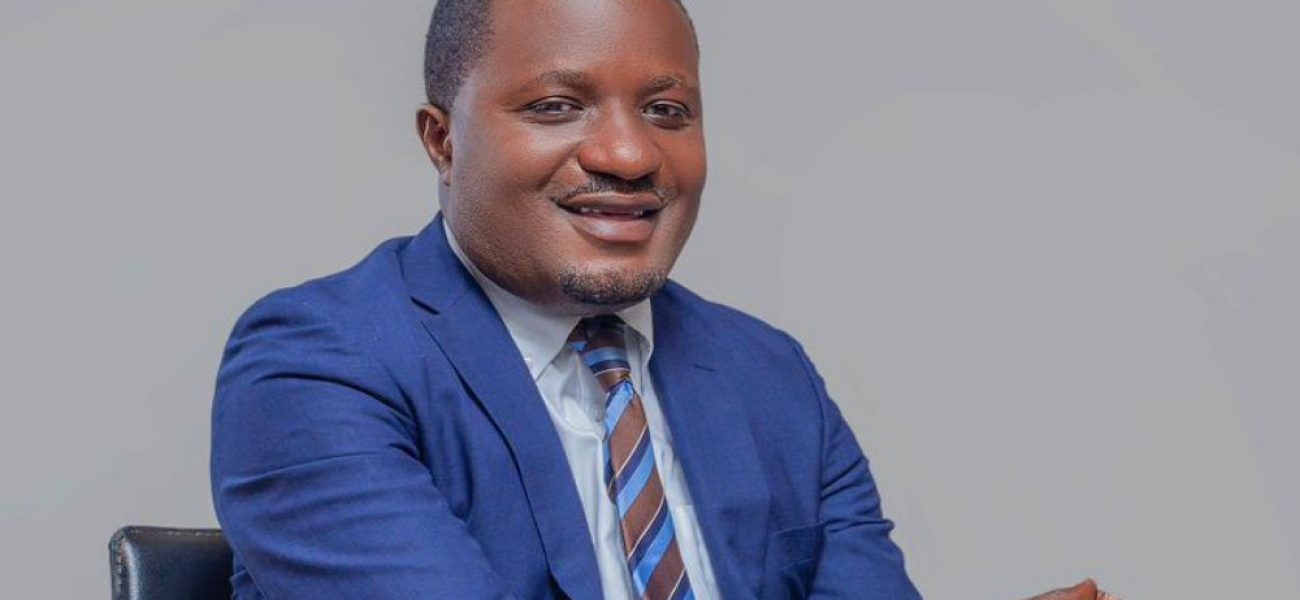
Political tensions in the Democratic Republic of Congo have intensified after Patrick Mundeke, an adviser to opposition figure Moïse Katumbi Chapwe, suggested that a new state could emerge in the country’s eastern region if President Félix Antoine Tshisekedi proceeds with plans to amend the Constitution.
Speaking to Kivu Morning Post, Mundeke sharply criticized the proposed constitutional reforms, arguing that they could deepen political divisions and push the country toward an unprecedented institutional crisis.
According to Mundeke, discussions about a separate political entity in eastern Congo are no longer hypothetical. He claimed that preparations are already underway for what he described as a “United Swahili-Speaking Republic,” a state that would bring together North Kivu, South Kivu, Maniema, and Ituri provinces.
“Very soon, the United Swahili-Speaking Republic will be born. It is the right of the people of eastern Congo if they choose it. Flags of the new eastern republic are already being printed, and it will unite North Kivu, South Kivu, Maniema and Ituri,” Mundeke said.
His remarks have reignited debate over national unity in a country that has struggled for decades with armed conflict, political instability, and regional grievances, particularly in its eastern provinces.
Mundeke went further by warning that constitutional changes could accelerate calls for self-determination among groups that feel marginalized by the central government in Kinshasa.
“Changing the Constitution is equivalent to dividing the country. The more Tshisekedi moves toward madness, the more we will move toward another kind of madness. We have the capacity to do it; he does not. That means we will divide the country into two parts—you will see,” he stated.
The comments come at a sensitive moment in Congolese politics. On June 15, 2026, the Senate approved legislation paving the way for a constitutional referendum, a key step in the process of revising or replacing parts of the Constitution.
Supporters of the initiative argue that a referendum would allow citizens to express their views on the future of the nation’s constitutional framework. Critics, however, fear that the process could strengthen presidential authority or be used to introduce reforms that primarily benefit the ruling establishment.
Mundeke also declared that opposition groups would resist any attempt to alter the current Constitution, even if such resistance required extreme measures.
“We are not afraid of Tshisekedi. We will even take up arms to defend this Constitution,” he said.
His statements have drawn attention because of their confrontational tone and because they reflect the growing polarization surrounding the constitutional debate.
Katumbi and his political allies remain among the most vocal opponents of the reform project, arguing that it threatens democratic safeguards and national cohesion.
The controversy has been further amplified by recent warnings from AFC/M23, which reportedly indicated that any constitutional revision could prompt a declaration of independence in territories under its control in eastern Congo.
As the debate unfolds, many observers believe the constitutional question has become one of the defining political issues facing the Democratic Republic of Congo. While some analysts warn that increasingly aggressive rhetoric could deepen divisions, others argue that dialogue and political compromise remain essential to preserving stability and preventing further fragmentation of the country.
With both domestic and international attention focused on Kinshasa, the coming months may prove decisive for the future of constitutional governance, political unity, and security in the Democratic Republic of Congo.