Fresh reports emerging from eastern Democratic Republic of Congo suggest that a convoy carrying Burundian troops and ammunition was struck by drone attacks in Fizi Territory, as military developments continue to reshape the conflict in South Kivu. The information has circulated widely among local sources.
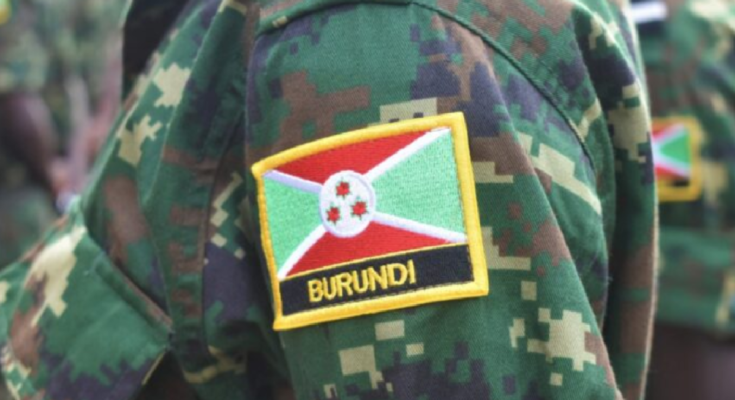
According to reports from Fizi, three military trucks transporting Burundian National Defence Force (FDNB) soldiers and ammunition came under drone attack in the Mulima area last week. Local sources allege that the strikes killed several soldiers, including a colonel and a major. However, no official casualty figures have been released, and independent confirmation remains unavailable.
Separate reports also claim that a boat transporting Burundian soldiers across Lake Tanganyika, near Ubwari Island, was attacked while carrying reinforcements toward Baraka, Fizi and the Minembwe highlands. These claims have likewise not been independently verified.
The reported reinforcements were allegedly heading to support positions held by the Congolese army (FARDC), Burundian troops and Wazalendo fighters after the reported loss of Point Zéro, Kakenge, Rubemba, Mikenge and Kalongi to Twirwaneho forces operating alongside AFC/M23.
Additional reports indicate that some FARDC and FDNB troops withdrew from Rugezi, Kakenge and Point Zéro toward Mukera, while others reportedly retreated through Misisi into Tanganyika Province.
After days of heavy fighting, local accounts from Minembwe suggest that the security situation has become relatively calmer than before. Some displaced civilians are said to be returning home, while videos shared on social media by members of the Banyamulenge community claim to show normal life resuming in areas described as being under Twirwaneho/AFC/M23 control.
The latest battlefield claims have renewed attention on the losses reportedly suffered by Burundian forces since their deployment to eastern Congo. Before Goma fell in January 2025, numerous Burundian soldiers had already been killed, including a major who at the time was the highest-ranking Burundian officer reported killed in the conflict.
In December 2025, another senior officer, a colonel, was reportedly killed during fighting in the Ruzizi Plain, becoming the highest-ranking Burundian officer lost since Burundi entered the war.
Following AFC/M23’s withdrawal from Uvira and the Ruzizi Plain after diplomatic pressure from the United States, Burundi deployed additional troops to reinforce its remaining positions.
Since February this year, Burundian forces, FARDC and Wazalendo fighters have continued receiving reinforcements and military equipment, allowing them to resist Twirwaneho and AFC/M23 offensives for a period. However, the latest reports suggest the balance on the battlefield may once again be shifting.
An internal report from DR Congo’s Ministry of Security and Territorial Administration, cited by SOS Médias Burundi, states that Burundi deployed more than 29,000 troops to eastern Congo between August 2022 and December 2025 under military cooperation agreements between Kinshasa and Gitega.
Burundian President Évariste Ndayishimiye has consistently defended the deployment, saying that soldiers dying in combat is a normal consequence of the profession they voluntarily chose. He has also argued that Burundi follows the principle of helping a neighbour extinguish a fire before it spreads across the border.
Meanwhile, reports indicate that at least 272 Burundian soldiers are being held at Murembwe Prison after refusing deployment to eastern Congo, with some reportedly sentenced to life imprisonment.
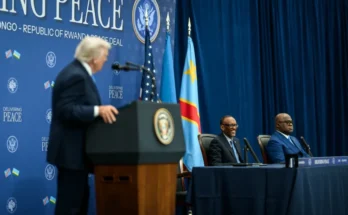
The conflict continues to involve multiple regional actors. Burundian forces are fighting alongside FARDC and Wazalendo militias against AFC/M23. The Congolese government accuses Rwanda of supporting AFC/M23, an allegation Kigali denies.
Rwanda, in turn, accuses both DR Congo and Burundi of collaborating with the FDLR armed group, which it says includes individuals linked to the 1994 Genocide against the Tutsi. Kinshasa and Gitega continue to reject those accusations.
As reports of the alleged drone strikes continue to circulate, there has been no official confirmation from any government or independent monitoring body regarding the incidents reported in Mulima or on Lake Tanganyika.