Kigali has once again emerged as a strategic center for regional cooperation after hosting two high-level gatherings focused on security coordination, disaster response preparedness, and political integration across East Africa.
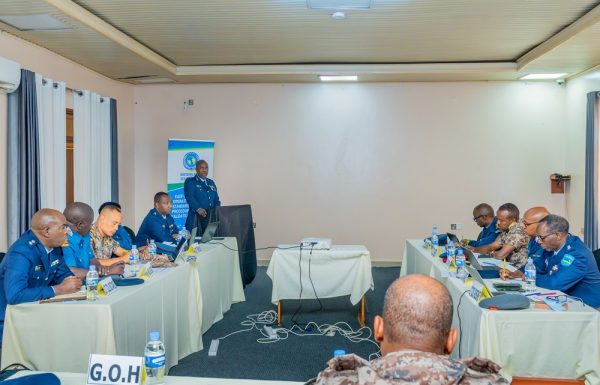
The first event brought together experts from the Eastern Africa Standby Force (EASF) for a five-day meeting running from June 15 to June 19, 2026. The gathering aims to validate a Joint Air Operations Doctrine, Standard Operating Procedures, and Memoranda of Understanding related to humanitarian assistance, disaster response, and emergency operations.
The meeting was officially opened by Brigadier General Louis Kanobayire, Commandant of the Rwanda Air Force Academy, who represented the Chief of Defence Staff of the Rwanda Defence Force.
Participants from Rwanda, Uganda, Kenya, and Ethiopia are reviewing and harmonizing key operational documents designed to strengthen air force cooperation and improve regional capacity to respond to emergencies, humanitarian crises, and natural disasters.
Regional security analysts view the initiative as a significant step toward creating a more coordinated framework for air operations among EASF member states. The harmonized procedures are expected to improve interoperability and allow faster, more effective responses during emergencies affecting civilian populations.
Addressing participants, Brigadier General Louis Kanobayire emphasized the importance of collective commitment among member states.
He stated, “This meeting demonstrates the commitment and dedication of EASF member states to strengthening regional cooperation and enhancing preparedness and response capabilities in times of crises and disasters affecting communities.”
EASF is one of the regional mechanisms that form part of the African Standby Force architecture. Its mandate includes planning, coordinating, and leading peace support operations while strengthening regional readiness to address emerging security and humanitarian challenges.
At the same time, Kigali also became the venue for another important regional event focused on the future of the East African Community (EAC).
On June 16, 2026, Rwanda’s Minister of State in the Ministry of Foreign Affairs, Usta Kaitesi, officially opened a stakeholder consultation forum on the proposed political confederation framework of the East African Community.
The consultations are intended to gather views from Rwandans across different sectors regarding key priorities that should be reflected in the implementation of the political integration project.
The forum brings together government institutions, legislators, judicial representatives, universities, civil society organizations, private sector actors, youth groups, women’s organizations, persons with disabilities, faith-based organizations, political parties, and media representatives.
EAC Secretary General Hon. Amb. Stephen P. Mbundi stressed that citizen participation is critical to ensuring that the political integration process reflects the aspirations of East Africans.
He noted, “These stakeholder consultations bring together a wide range of actors including government institutions, parliament, the judiciary, higher learning institutions, civil society, the private sector, youth, women, persons with disabilities, faith-based organizations, political parties, and the media.”
He further explained that the consultations seek to guarantee that Rwanda’s perspectives and priorities are adequately reflected in the drafting process.
According to him, “The objective is to strengthen public participation in shaping the Community’s political institutions and to ensure that Rwanda’s views are fully reflected in the constitutional framework under consideration.”
The two meetings, held in Kigali within the same period, underline Rwanda’s growing influence as a regional convening hub for discussions on peacebuilding, security cooperation, governance, and economic integration.
Observers of regional affairs argue that Rwanda’s ability to host such strategic engagements reflects the confidence that neighboring countries and regional organizations place in the country as a reliable platform for dialogue and consensus-building.
As East Africa continues to face challenges ranging from security threats and humanitarian emergencies to development pressures, initiatives such as these are expected to play a crucial role in strengthening cooperation, fostering trust, and shaping long-term solutions for the region’s future.