A newly released report by Human Rights Watch has reignited international debate over the conflict in eastern Democratic Republic of Congo, accusing the AFC/M23 coalition and Rwandan forces of committing serious abuses that the organization says may amount to war crimes.
Published on June 10, the report focuses on events that allegedly took place after the capture of Goma in January 2025. According to Human Rights Watch, large groups of people were transported from the city and taken to military facilities in North Kivu, where some were allegedly subjected to forced recruitment and other forms of abuse.
The organization said its findings were based on interviews with around 200 former detainees and witnesses. The report claims that members of the Congolese armed forces, police officers, government employees, and civilians were among those rounded up and transferred to military camps located in Rumangabo and Tshanzu.
Human Rights Watch further alleges that hundreds of people may have died in those facilities during 2025, citing testimonies that describe harsh conditions and mistreatment.
While much of the report focuses on AFC/M23 and Rwanda, Human Rights Watch also directs criticism toward the Congolese government. The organization accuses authorities in Kinshasa of continuing to support armed groups that have themselves been linked to serious human rights violations.
Among the groups mentioned are the FDLR, which opposes the Rwandan government, and certain Wazalendo factions. The report alleges that these groups have been involved in violence against civilians, arbitrary detention, looting, and abuses targeting displaced communities around Goma.
As a result, Human Rights Watch called on the Congolese government to end all forms of logistical and material support to such groups and to launch independent investigations into abuses committed by all parties involved in the conflict.
The organization also stated that it sought responses from both Kigali and AFC/M23 before publishing the report but did not receive comments before its release.
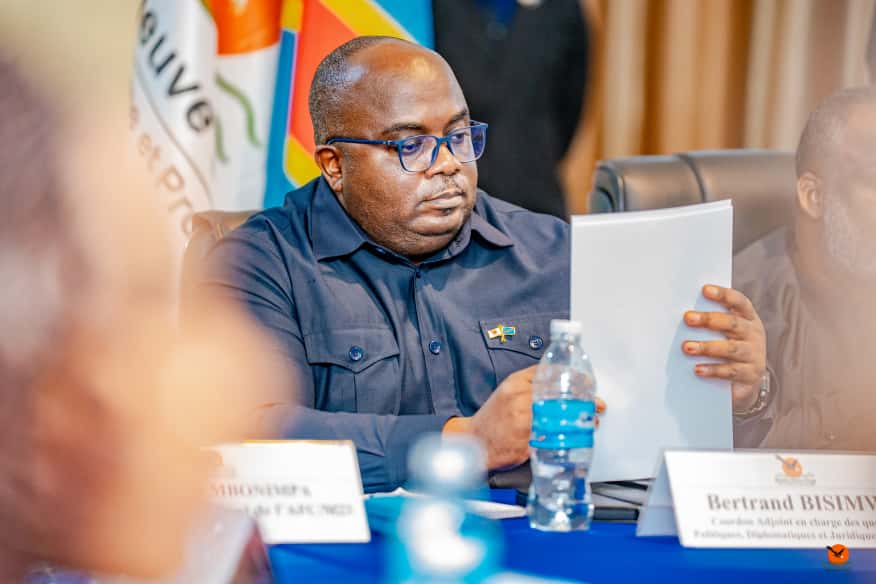
The allegations were swiftly rejected by AFC/M23 leadership. Bertrand Bisimwa, president of M23 and a senior figure within the AFC/M23 coalition, criticized the report in a message posted on X.
Bisimwa described the accusations as “fabricated allegations,” arguing that the report was designed to damage the movement’s reputation rather than contribute to a genuine understanding of the situation on the ground.
He further claimed that AFC/M23 administration has transformed cities such as Goma and Bukavu, pointing to what he described as improved public order, better living conditions, and greater local participation in governance.
According to Bisimwa, these areas now demonstrate “harmony and improved living conditions for residents while enabling communities to govern themselves.”
The exchange highlights the deep divisions surrounding the conflict in eastern Congo, where competing narratives continue to shape both political and diplomatic discussions. Human rights organizations, regional governments, and international actors have repeatedly called for accountability from all sides as fighting and instability persist across the region.
Analysts note that reports of this nature often intensify political tensions because the parties involved frequently dispute both the methodology and conclusions of international investigations.
While Human Rights Watch maintains that its findings are supported by witness testimony and field research, AFC/M23 insists that the accusations form part of a broader campaign aimed at discrediting the movement.
As the debate continues, civilians remain at the center of the crisis. Years of conflict have left millions affected by displacement, insecurity, economic hardship, and ongoing concerns over human rights, making accountability and lasting peace among the most urgent challenges facing eastern Democratic Republic of Congo today.