Rwanda National Congress (RNC) is facing one of the most challenging periods in its history after two senior leaders in the United States publicly distanced themselves from the organization’s national leadership, accusing it of abandoning its founding principles and failing to preserve unity among members.
The development comes at a time when diplomatic relations between Rwanda and South Africa are showing significant signs of recovery, a shift that analysts believe could reshape the political environment in which RNC has operated for years.
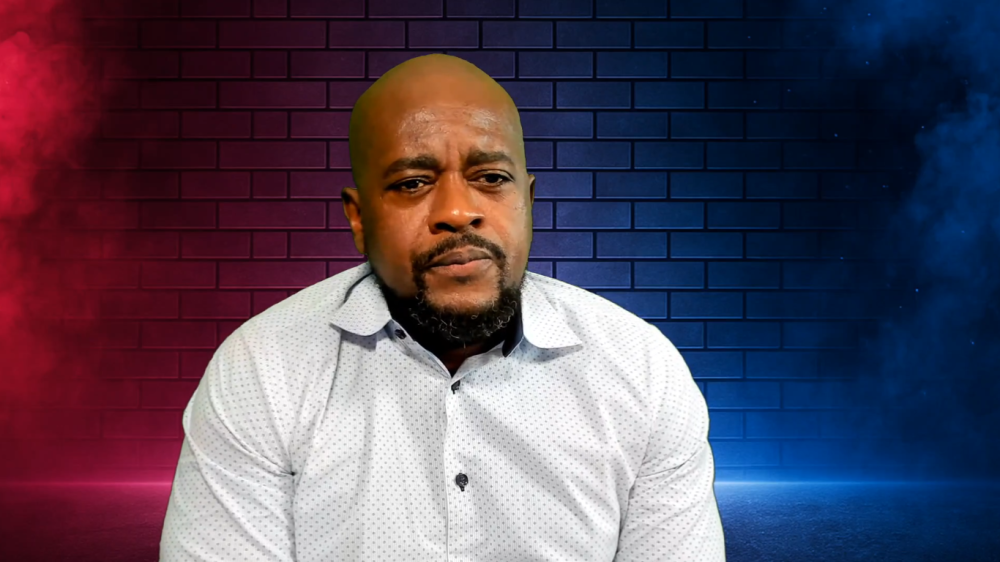
In a letter dated June 17, 2026, RNC’s Second Vice President in the United States, Cédric Ntwali, and Deputy Secretary General Serge Ndayizeye announced their decision to sever ties with the organization’s leadership headed by Dr. Emmanuel Kakizizimana, Ali AbdoulKarim, and Dr. Etienne Mutabazi.
The two officials cited several grievances, including what they described as a failure to maintain unity among members, disregard for democratic values, and repeated decisions made without broad consultation.
They also accused the leadership of engaging in conduct inconsistent with the movement’s stated principles of democracy, mutual respect, tolerance, and professionalism.
In one of the strongest criticisms contained in the letter, they argued that a leadership unable to unite a small executive committee could not realistically claim to be capable of leading an entire nation.
Their remarks highlighted growing tensions within the organization, which has struggled with internal disputes for several years.
The controversy surrounding the disappearance of Ben Rutabana remains one of the most divisive issues within the movement. Competing narratives have continued to emerge, with some members linking his disappearance to internal disagreements, while others insist it was unrelated to the organization.
Serge Ndayizeye previously stated that Rutabana’s disappearance could have stemmed from personal circumstances and possible disputes with certain individuals rather than from official RNC activities.
While these internal challenges continue, a major diplomatic breakthrough has been unfolding between Rwanda and South Africa.
On June 17, 2026, South African Foreign Minister Ronald Lamola hosted Rwanda’s Foreign Minister, Ambassador Olivier Nduhungirehe, in Pretoria for talks aimed at strengthening bilateral relations and opening a new chapter of cooperation.
Lamola emphasized that despite past disagreements, the two countries share deep historical ties and common aspirations.
He noted that friendship, mutual respect, and cooperation remain the foundation of relations between the two nations and stressed that both countries have a responsibility to work together for the benefit of their people.
The South African minister also highlighted the shared historical experiences of apartheid and the 1994 Genocide against the Tutsi in Rwanda, describing them as powerful reminders of the importance of unity, reconciliation, and African solidarity.
One of the most significant outcomes of the discussions was the indication that visa restrictions affecting ordinary Rwandan passport holders could be lifted within the next twelve months.
For Rwanda, Foreign Minister Olivier Nduhungirehe welcomed the renewed engagement and recalled South Africa’s contribution to Rwanda’s post-genocide reconstruction efforts across education, healthcare, investment, and economic development.
He described the Pretoria meeting as evidence of a shared commitment to dialogue and constructive engagement as the best path toward resolving differences and strengthening cooperation.
Political observers argue that the normalization of relations between Kigali and Pretoria could have far-reaching implications for RNC. For years, South Africa served as one of the movement’s most important political bases. As bilateral relations improve, analysts expect greater scrutiny of activities perceived as threatening regional stability and a reduced political space for groups seeking to challenge Rwanda from abroad.
Combined with ongoing internal disagreements, leadership disputes, and longstanding controversies, the changing diplomatic landscape may leave RNC confronting difficult questions about its future direction.
As Rwanda and South Africa move toward closer cooperation and a renewed partnership, the contrast between strengthening state-to-state relations and growing divisions within RNC has become increasingly striking, setting the stage for a potentially transformative period in the organization’s future.