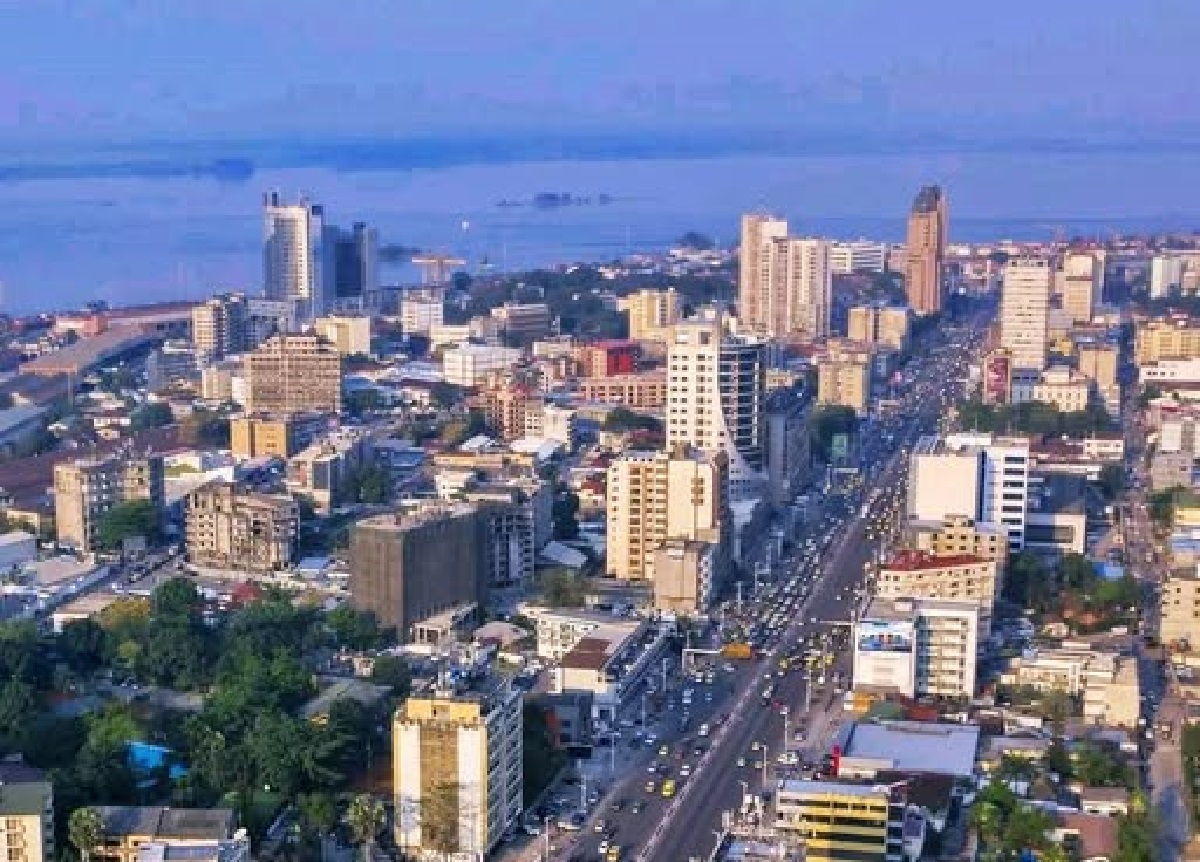
Political tensions in the Democratic Republic of Congo have escalated sharply after opposition figures and democracy advocates reported significant casualties following anti-government protests in the capital, Kinshasa.
The demonstrations, which were linked to growing controversy surrounding a proposed constitutional reform, reportedly left 10 people dead, 15 missing, and 176 seriously injured. The figures were released by prominent Congolese politician Joseph Olenghankoy, a former minister and former head of the CNSA monitoring body that oversaw the implementation of the country’s 2016 political agreement.
In a statement posted on X, Olenghankoy condemned what he described as an increasingly authoritarian political climate, declaring: “The government is moving toward extreme authoritarianism, but in the end, it is always the people who prevail.”
His remarks quickly fueled national debate as concerns mounted over the government’s handling of public dissent and the future direction of democratic governance in the country.
According to sources in Kinshasa, the demonstrations were organized to oppose what critics describe as efforts to amend the Constitution. Opposition leaders argue that any changes to the country’s foundational legal framework could have far-reaching consequences for democratic institutions, political competition, and the balance of power.
Witness accounts and political activists claim that security forces used force to disperse protesters, resulting in casualties, injuries, and reports of individuals whose whereabouts remain unknown. These allegations have intensified calls for accountability and transparency from state authorities.
Human rights organizations and civil society groups have urged the establishment of an independent investigation to determine the circumstances surrounding the deaths, injuries, and disappearances reported during the unrest. They argue that a credible inquiry is necessary to restore public confidence and ensure that any violations are properly addressed.
As of now, the Congolese government has not released its own casualty figures or publicly responded to the numbers cited by opposition leaders. The absence of an official statement has contributed to speculation and growing political tension across the country.
Analysts note that the constitutional reform debate comes at a particularly sensitive moment for the Democratic Republic of Congo. The nation continues to face security challenges in its eastern provinces, while also dealing with economic pressures and longstanding disputes over the management of its vast natural resources.
Many observers warn that introducing major constitutional changes amid such challenges could deepen political divisions and trigger broader instability. Others argue that meaningful dialogue between the government and opposition groups remains the most effective path toward avoiding further confrontation.
Across Kinshasa, discussions surrounding the protests have dominated public conversation. Some residents have expressed grief over the reported deaths and injuries, while others fear that continued political polarization could undermine national stability.
Political commentators emphasize that the way authorities respond to the current crisis may shape the future of Congolese democracy. They believe that transparency, accountability, and inclusive political dialogue will be critical in preventing further unrest and rebuilding trust between citizens and state institutions.
With questions still surrounding the fate of those reported missing and the circumstances of the deadly clashes, attention is now focused on whether the government will provide an official response and whether an independent investigation will be launched to establish the full truth behind the events that unfolded in Kinshasa.