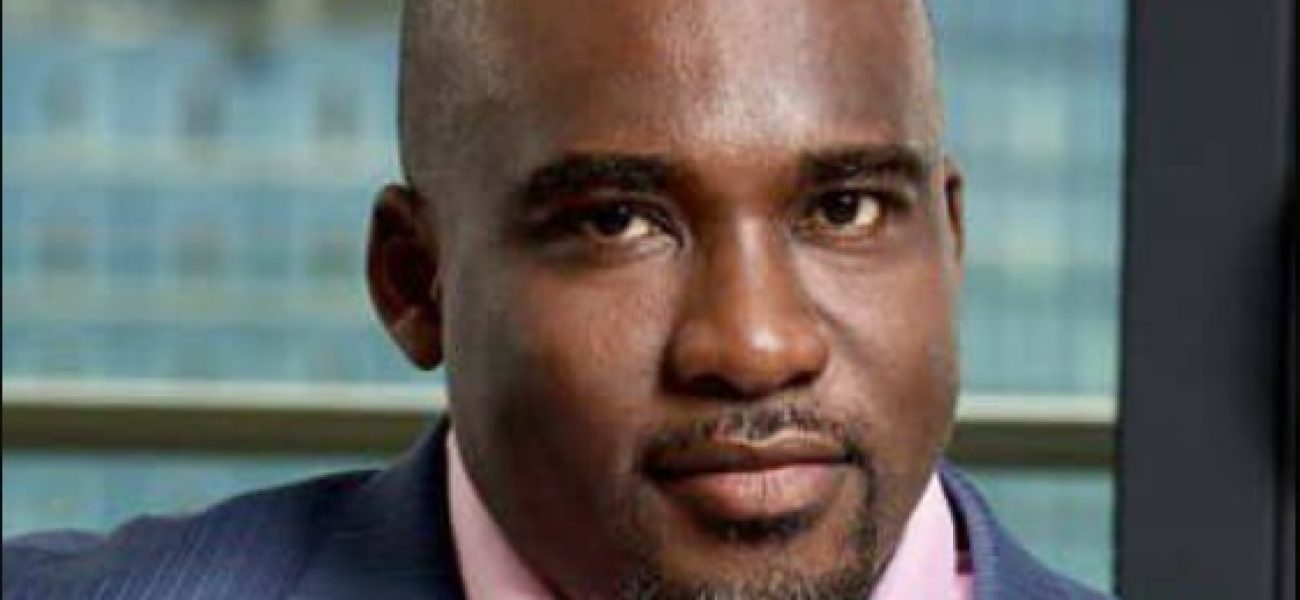
Jean-Luc Habyarimana, the son of former Rwandan President Juvénal Habyarimana, has once again become a central figure in regional security discussions following reports that he recently met senior leaders and military commanders of the FDLR in the Pinga area of eastern Democratic Republic of Congo.
The reported meetings come after a series of trips by Habyarimana to Kinshasa, Bujumbura and Gitega, journeys that analysts say were linked to ongoing political and military coordination involving actors opposed to the Rwandan government.
Investigative reports published by regional media outlets, including Bwiza, alongside security analyses circulating online, claim that Habyarimana has strengthened ties with the FDLR, an armed group long accused by Rwanda and several international observers of maintaining genocidal ideology linked to the 1994 Genocide against the Tutsi.
According to multiple regional intelligence assessments, Habyarimana was received in Kinshasa by senior Congolese officials in discussions allegedly focused on reinforcing cooperation between anti-Rwanda armed factions operating in eastern Congo.
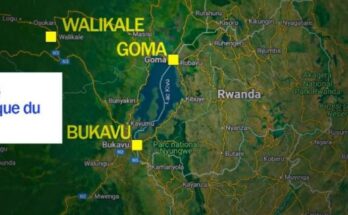
Attention has particularly focused on a reported gathering in Pinga, where Jean-Luc Habyarimana is said to have held strategic discussions with FDLR commanders and senior officers regarding the formation of a broader military coalition.
Political observers argue that President Félix Tshisekedi’s administration may view Habyarimana as a symbolic figure capable of uniting various anti-Kigali factions because of his family name and its historical resonance among hardline groups operating in the region.
Several reports further allege that between late 2025 and early 2026, discussions emerged around restructuring the FDLR and integrating it with other armed movements, including the FLN, under a new political and military framework potentially coordinated by Jean-Luc Habyarimana.
Analysts claim the proposed restructuring was intended to rebrand the FDLR in response to growing international pressure demanding the dismantling of the group, while preserving its operational networks under a different political image.
The allegations also point to secret meetings between officials from Kinshasa and Bujumbura, with Habyarimana reportedly engaging advisers close to both President Félix Tshisekedi and Burundian President Évariste Ndayishimiye.
Reports suggest Burundi’s role would involve logistical and military support, including the preparation of strategic positions near the Rwandan border that could serve as operational corridors in the event of a wider confrontation.
Security discussions intensified further after President Évariste Ndayishimiye stated during an interview with BBC: “If Rwanda makes the mistake of attacking Burundi or Uvira, Kigali is not far if we pass through Kirundo.”
The statement has continued to fuel debate among regional analysts who see it as evidence of worsening tensions between Rwanda and Burundi amid the broader instability in eastern Congo.
Rwandan officials have repeatedly condemned any collaboration involving the FDLR and regional political actors.
Foreign Affairs Minister Olivier Nduhungirehe has consistently argued that the FDLR remains one of the primary threats to regional security, accusing the group of maintaining cooperation with Congolese government forces in destabilizing activities targeting Rwanda.
Meanwhile, Dr Jean-Damascène Bizimana also criticized Jean-Luc Habyarimana’s reported contacts with the FDLR, insisting that cooperation with the armed group cannot alter historical truth or threaten Rwanda’s national security.
The developments come at a time when regional peace initiatives under the Luanda and Nairobi processes continue to call for the dismantling of all armed groups operating in eastern Congo, including the FDLR.
However, analysts warn that continued allegations of coordination between regional governments and armed movements could further complicate peace efforts and deepen instability across the Great Lakes region.