
Fresh allegations contained in a new report by Great Lakes Eye have intensified debate over security dynamics in the Great Lakes region, pointing to what is described as growing cooperation between the Democratic Republic of Congo (DRC), Burundi, and the armed group FLN.
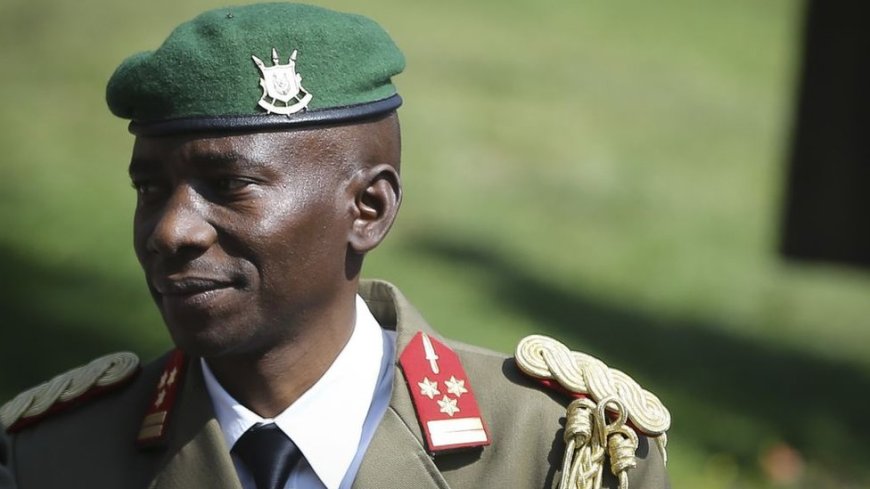
According to the report, Burundi’s Chief of Defence Forces, Gen. Prime Niyongabo, allegedly encouraged FLN fighters to increase activities aimed at destabilizing Rwanda. The report further claims that the fighters were promised logistical support and assurances that they would not face interference from Burundian forces operating in the Kibira Forest area, where some FLN elements are reportedly based.
The revelations come at a time when regional tensions remain high, particularly over the presence and activities of armed groups operating across borders in Central and East Africa.
FLN has previously been linked to Paul Rusesabagina and was accused by Rwandan authorities of involvement in attacks carried out in southern Rwanda between 2018 and 2019. Those incidents resulted in civilian deaths and significant damage to property and infrastructure.
The report also names Maj. Gen. Antoine Hakizimana, commonly known as “Jeva,” as one of FLN’s senior figures. It alleges that he has been able to move and operate within the Kibira Forest without interference from Burundian security institutions.
Beyond military activities, the report claims that FLN has established fundraising mechanisms in Mugina, Burundi. Supporters are said to meet through activities linked to the Methodist Church community, generating financial and material support that allegedly helps sustain the group’s operations.
The allegations have renewed concerns about the role armed movements continue to play in regional politics and security. For years, Rwandan officials have expressed concern over what they describe as collaboration between Kinshasa and armed groups operating in eastern Congo, including the FDLR.
Rwanda has consistently argued that the continued existence of such groups represents a serious threat not only to its national security but also to long-term regional stability. Kigali has repeatedly called for stronger measures against organizations accused of fueling violence across borders.
The latest report suggests that the alleged cooperation involving Burundi, the DRC, and FLN could be part of broader efforts to exert pressure on Rwanda. While these claims remain unverified by independent international bodies, they are likely to attract attention from regional observers and diplomatic actors monitoring security developments in the Great Lakes region.
The allegations also emerge as the Congolese government faces increasing international pressure to dismantle networks associated with the FDLR. Recent diplomatic discussions involving the DRC and its partners have emphasized the need for visible action against armed groups and the termination of any cooperation that could strengthen their operational capabilities.
Analysts warn that if the claims contained in the report are substantiated, they could further complicate already fragile relations among countries in the region and undermine ongoing initiatives aimed at achieving lasting peace and stability.
As discussions continue, neither the Burundian government nor the other parties mentioned in the report had issued a detailed public response at the time the allegations gained widespread attention.