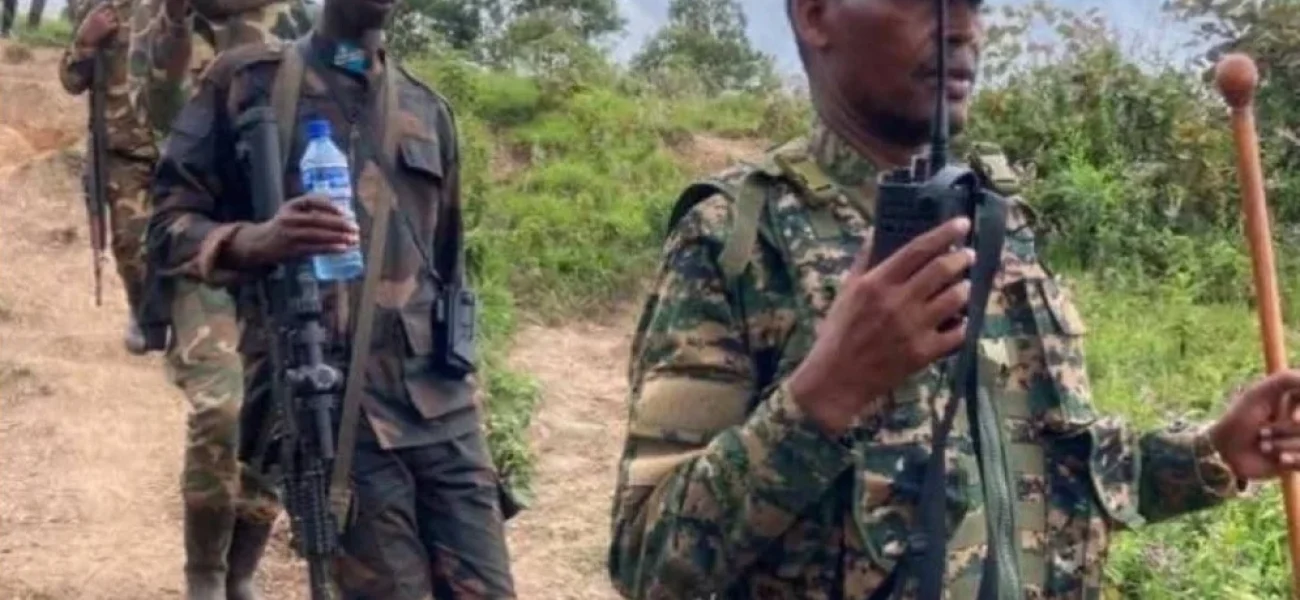
A fresh statement issued by MRDP-Twirwaneho has dismissed reports circulating on social media and other platforms alleging that its forces recently engaged in armed confrontations with RDF troops and AFC/M23 fighters in the Minembwe area of South Kivu.
The movement described the reports as false and misleading, arguing that they were designed to divert attention from the broader security challenges affecting local communities in the region.
In a statement released on June 7, 2026, Twirwaneho firmly denied that any such military confrontation had taken place. According to the group, no clashes occurred between its forces and either RDF or AFC/M23 elements in Minembwe.
The organization stated: “There was no fighting of any kind in Minembwe. Furthermore, RDF forces have not been spotted anywhere in this area.”
The denial comes after several reports and online discussions claimed that armed confrontations had erupted between Twirwaneho fighters and forces allegedly linked to RDF and AFC/M23.
According to Twirwaneho, the narrative being promoted serves a political purpose by shifting attention away from ongoing security concerns facing civilians in the area.
The movement argued that the spread of such information obscures what it considers the real crisis in Minembwe, namely continued insecurity and attacks targeting local communities.
Twirwaneho further alleged that these reports are intended to distract international observers from military operations that it claims are being carried out against Banyamulenge civilians.
The group specifically accused authorities in Kinshasa and their allies of attempting to conceal developments on the ground through what it described as a coordinated misinformation campaign.
The statement was issued shortly after reports of another drone attack in Minembwe.
According to Twirwaneho, drone strikes carried out during the night of June 6–7 resulted in the deaths of two civilians and left seven others injured.
The movement blamed the government in Kinshasa for the attacks. However, authorities in the Democratic Republic of Congo had not publicly responded to the allegations at the time the statement was released.
Security conditions in Minembwe have remained a source of concern for years, with competing narratives frequently emerging from different actors involved in the conflict.
Observers note that verifying claims from the region remains difficult due to limited independent access and the complex nature of the conflict environment.
Against this backdrop, Twirwaneho has appealed to international institutions to become more actively involved in monitoring developments in the area.
The movement called on the United Nations, the African Union, the European Union, the United States, and international human rights organizations to launch independent investigations into the security situation in Minembwe.
According to the group, such investigations could help establish the facts surrounding the reported attacks and provide greater transparency regarding ongoing security incidents affecting civilians.
Twirwaneho also emphasized the need for stronger measures aimed at protecting local populations and preventing further violence.
As conflicting accounts continue to emerge regarding events in Minembwe, the movement’s latest statement highlights the growing contest over information and narratives surrounding the security situation in South Kivu.
Independent verification from neutral observers is likely to remain crucial in determining the accuracy of the various claims being made by the parties involved, while local communities continue to face the consequences of instability in one of eastern Congo’s most sensitive regions.