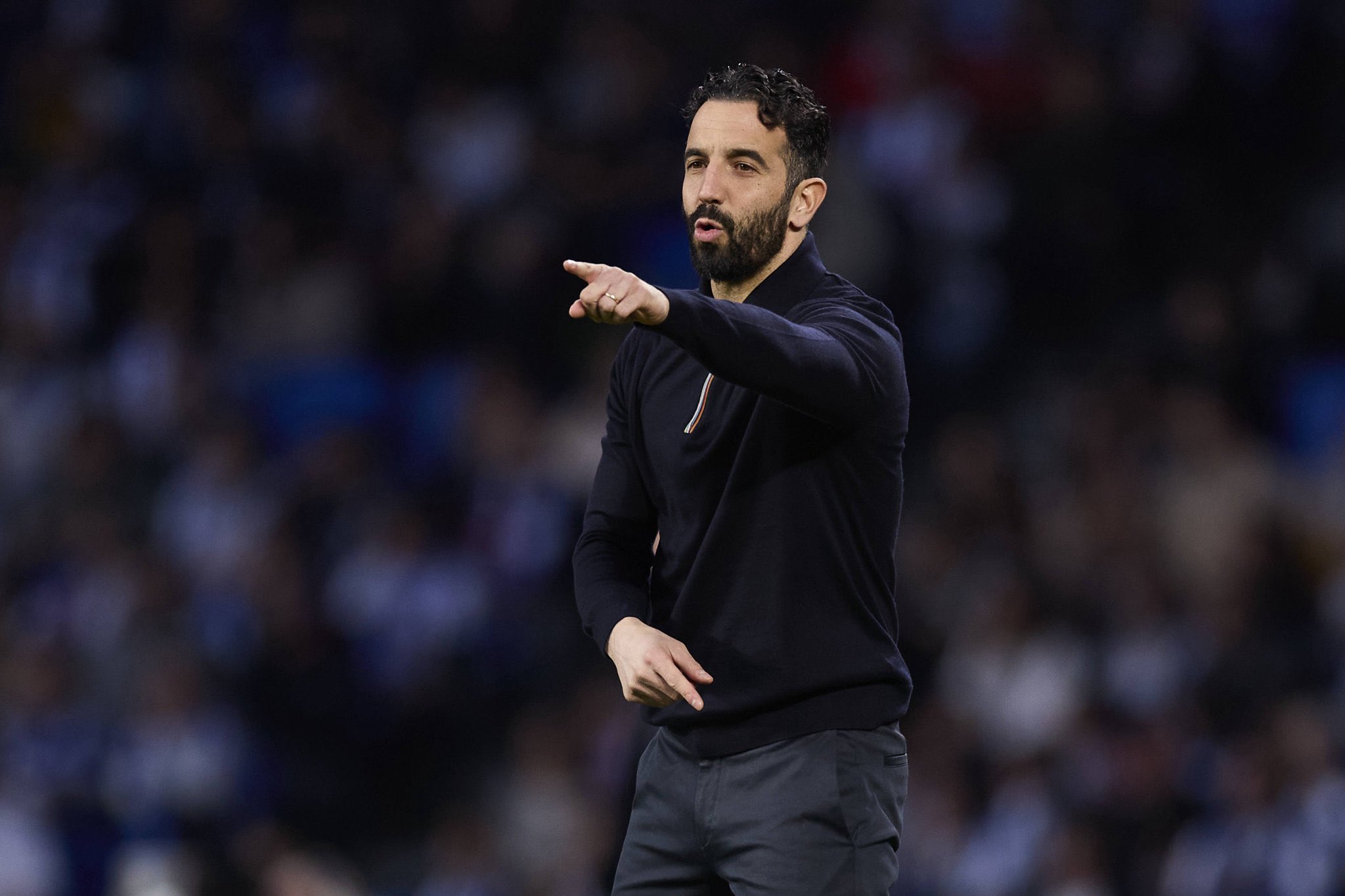
Manchester United fans have been stunned as the club confirmed the departure of Ruben Amorim.
The 40-year-old Portuguese manager leaves Old Trafford after just 14 months, bringing an end to a turbulent tenure filled with highs, lows, and public controversies.
The club issued an official statement: “Ruben Amorim has departed his role as Head Coach of Manchester United. Ruben was appointed in November 2024 and led the team to a UEFA Europa League Final in Bilbao in May. With Manchester United sitting sixth in the Premier League, the club’s leadership has reluctantly made the decision that it is the right time to make a change. This will give the team the best opportunity of the highest possible Premier League finish. The club would like to thank Ruben for his contribution to the club and wishes him well for the future.”
Amorim’s exit comes after a 1-1 draw against Leeds United, which highlighted ongoing struggles on the pitch.
His post-match press conference had already shaken the club. Amorim demanded to be called “manager” rather than “head coach” and criticized the board over failed transfer targets, including Bournemouth winger Antoine Semenyo.
“I will not quit,” Amorim said. “But I need more control. Without that, we cannot succeed.”
Despite his defiant words, the decision was made without his input. Former United midfielder Darren Fletcher is set to take charge of the team against Burnley on Wednesday.
Amorim’s record at Manchester United is among the worst in the club’s modern history. He won only 24 of 63 matches, giving him a win percentage of just 38.71%. The last manager with a worse record was Frank O’Farrell in 1971, who won 30 of 81 matches (37.04%).
Last season, Amorim guided United to the UEFA Europa League final, only to lose to Tottenham Hotspur, and the team finished 15th in the Premier League.
Defensive problems plagued his tenure. United went 15 away games without a clean sheet, the worst streak in the club’s history. Brenden Aaronson’s goal at Elland Road marked yet another defensive failure.
The manager’s stubborn insistence on his preferred 3-4-3 formation also drew criticism. He admitted recently that the system could not succeed without “a lot of money,” highlighting tactical limitations.
Consistency on the pitch was rare. Under Amorim, United only managed consecutive wins once, during a five-game unbeaten streak in October.
Off the pitch, Amorim often spoke openly, sometimes controversially. In August, he admitted that he sometimes “hates” his players and occasionally felt like quitting, following a shock Carabao Cup exit to Grimsby Town.
Tensions with the board were also evident. His thinly veiled criticism of director of football Jason Wilcox over the failed Semenyo transfer highlighted deep disagreements over club strategy.
Amorim’s insistence on more control over transfers added to the strain, as he demanded authority that the board was unwilling to grant.
“The head coach wants to be called manager. He wants more say in transfers,” a source told The Athletic. “The board decided it’s time to act.”
Fletcher, a respected former United midfielder, will serve as interim manager, starting with Wednesday’s match against Burnley, as the club searches for a permanent replacement.
Fans and pundits are left questioning the club’s long-term strategy. Amorim’s departure exposes the challenges at Old Trafford: high expectations, internal management conflicts, and the pressure to deliver consistent results.
Amorim leaves behind a complex legacy: flashes of tactical ambition, notable cup runs, but ultimately disappointment and instability.
The sacking raises serious questions about Manchester United’s stability and direction as they enter a crucial stage of the Premier League season.
For United supporters, the news is a reminder that even high-profile managers are not immune to rapid fallouts when results, tactics, and relationships with the board falter.
Ruben Amorim’s 14-month reign will be remembered as one of the most turbulent periods in Manchester United’s recent history.